
Mail-piece layout planning
Custom Postcard Printing
Postcards suit direct-mail campaigns and image-led correspondence. The image face and address side need different consideration for printing, writing and postal handling.
- Single-piece correspondence
- Two different surfaces
- Display after delivery
Illustrative product configuration
Product overview
An image face and a usable mail side.
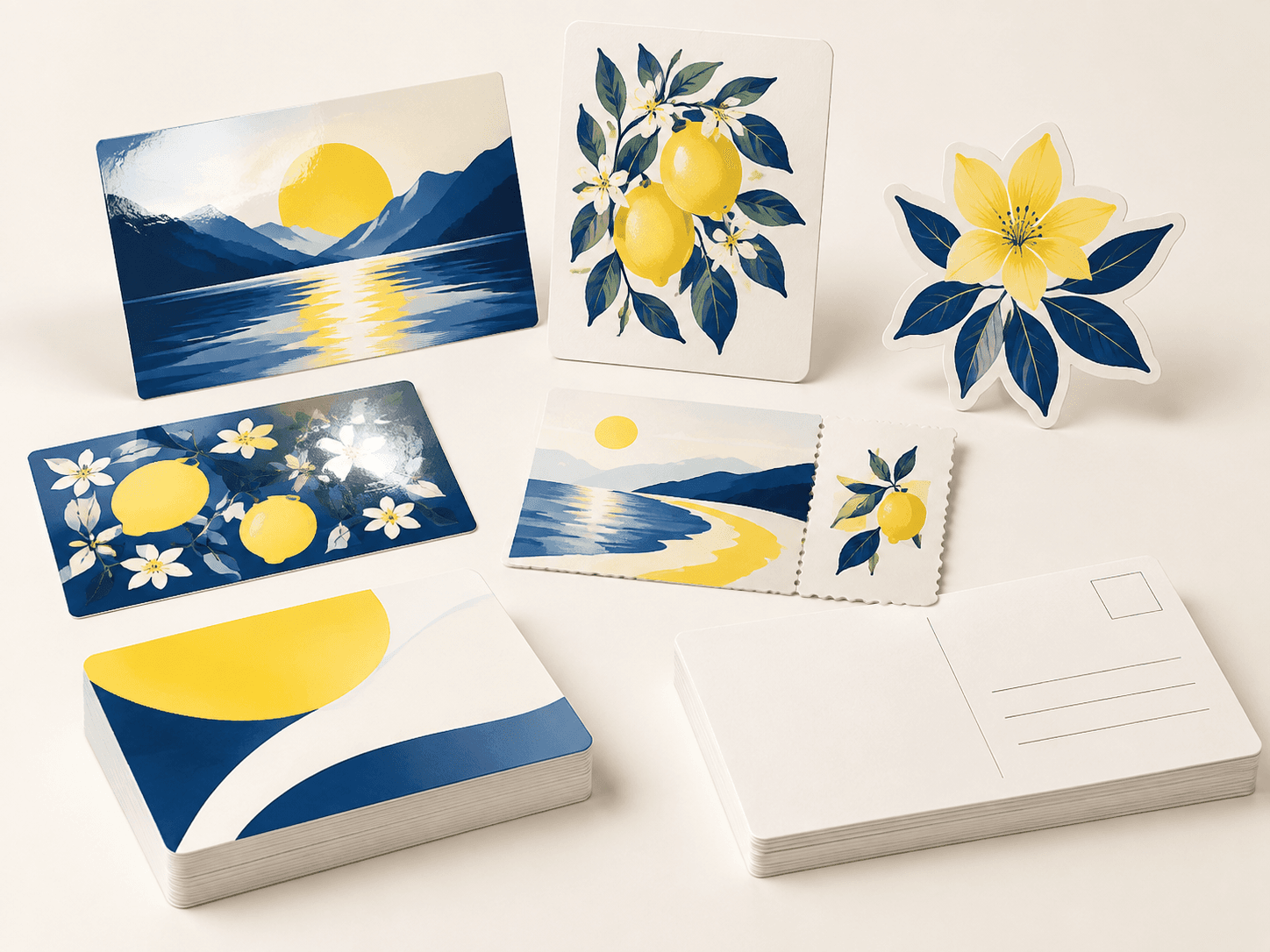
A postcard combines an image face with a functional message and address side. The two surfaces may need different characteristics: image reproduction on the front, reliable writing and postal handling on the reverse. Stock stiffness helps the piece remain flat; the layout must reserve usable address and postage areas for the destination postal operator.
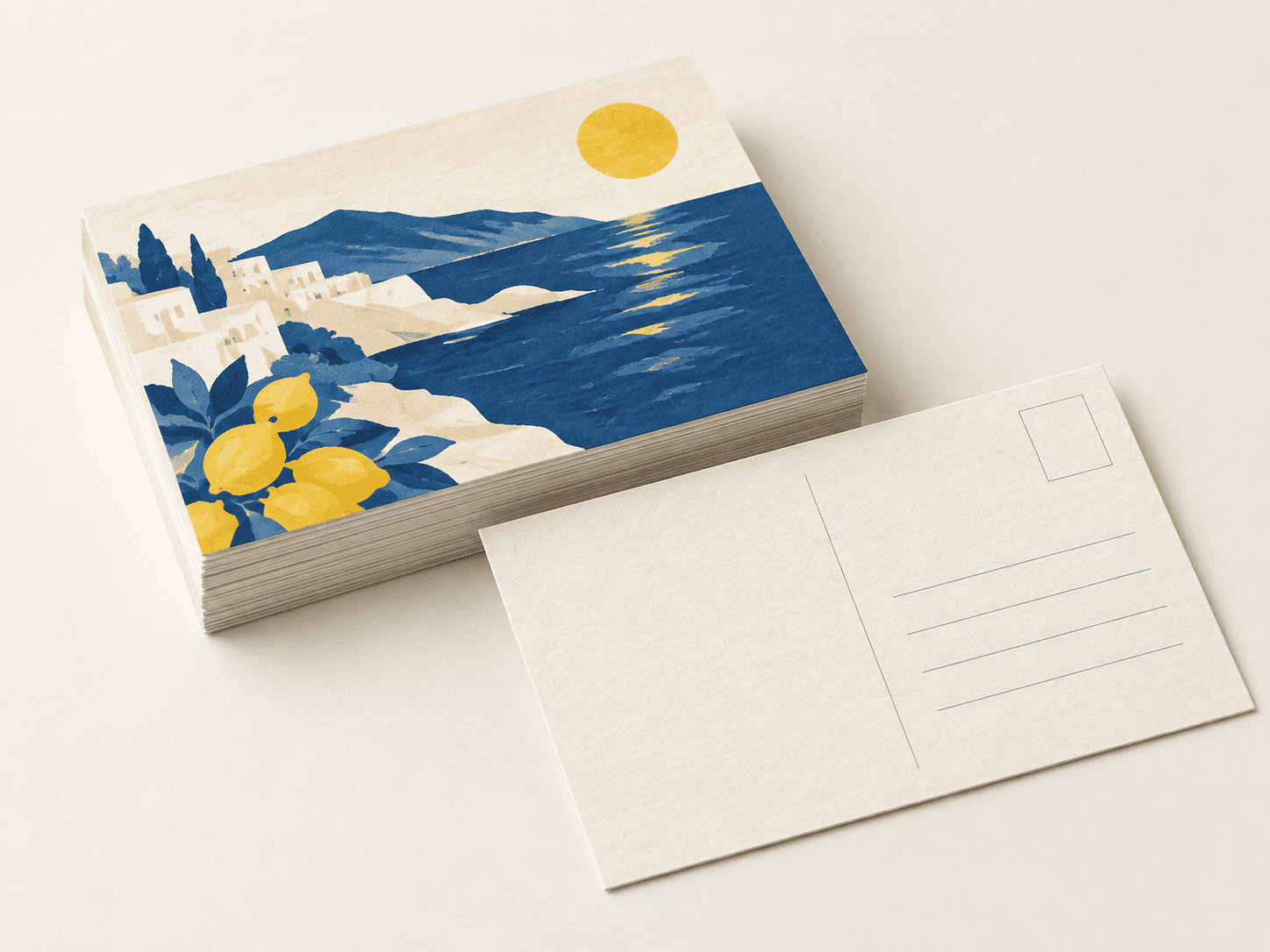
Single-piece correspondence
A stiff sheet carries a message without the folds of a letter.
Two different surfaces
The image face and mail side can be selected around print appearance and addressing.
Display after delivery
The same compact format suits travel imagery, campaign reminders and collectible designs.
Specifications & materials
Choose the Format and Address-Side Surface
Start with finished width × height in mm; mailing destination. Then compare the material and construction choices below.
Use these options to prepare your specification. Material grades, weights, thicknesses and feasible dimensions are confirmed for the quoted construction. A paper weight is not a finished thickness or a strength rating.
| Parameter | Options or Information to Supply | Why It Matters |
|---|---|---|
| Finished dimensions | A6: 105 × 148 mm; A5: 148 × 210 mm | Reference formats or explicitly labeled design examples. Select by the use cases below; custom trim and final construction belong in the quotation. |
| Format and component count | Single card with image and address faces identified | Count complete sets separately from individual cards; reconcile card IDs, front/back pairing, instructions and pack contents. |
| Card stock | Stock selected for stiffness and postal handling | Confirm the intended mailing method before selecting the format. |
| Image face | Coated or uncoated surface with optional protective treatment | Compare the image appearance and handling marks. |
| Address face | Surface suitable for the intended writing or addressing process | Reserve address, postage and code areas according to the mailing plan. |
Swipe the table to compare selection checks.
Compare materials and construction
Choose around the intended use. These are alternatives to discuss, subject to the confirmed specification.
Coated picture face
- Suitable for
- A photographic or illustrated front.
- Check before selection
- Check image appearance and the balance with the reverse-side stock surface.
Writable address face
- Suitable for
- An address and message area intended for ink or postal handling.
- Check before selection
- Test writing on the actual finish and verify the destination's postal format requirements.
Surface finish options
Printed fronts; writable backs or panels
Keep message, signature and stamp areas free of added film or coating. Place foil on non-writing artwork only and test the chosen pen on the actual stock. Relief and film are not defaults for writable areas.
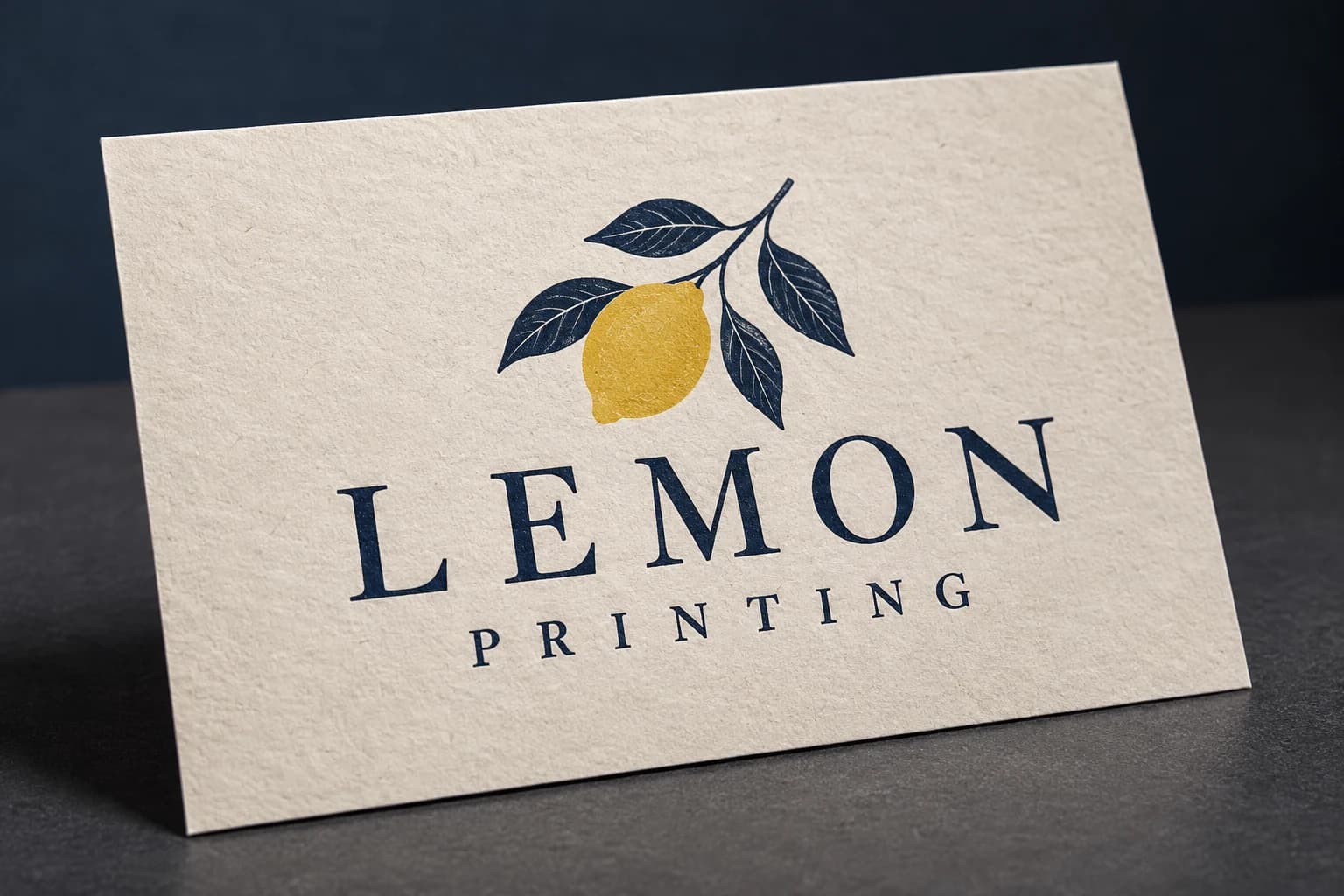 No added surface treatment View effect & artwork guidance
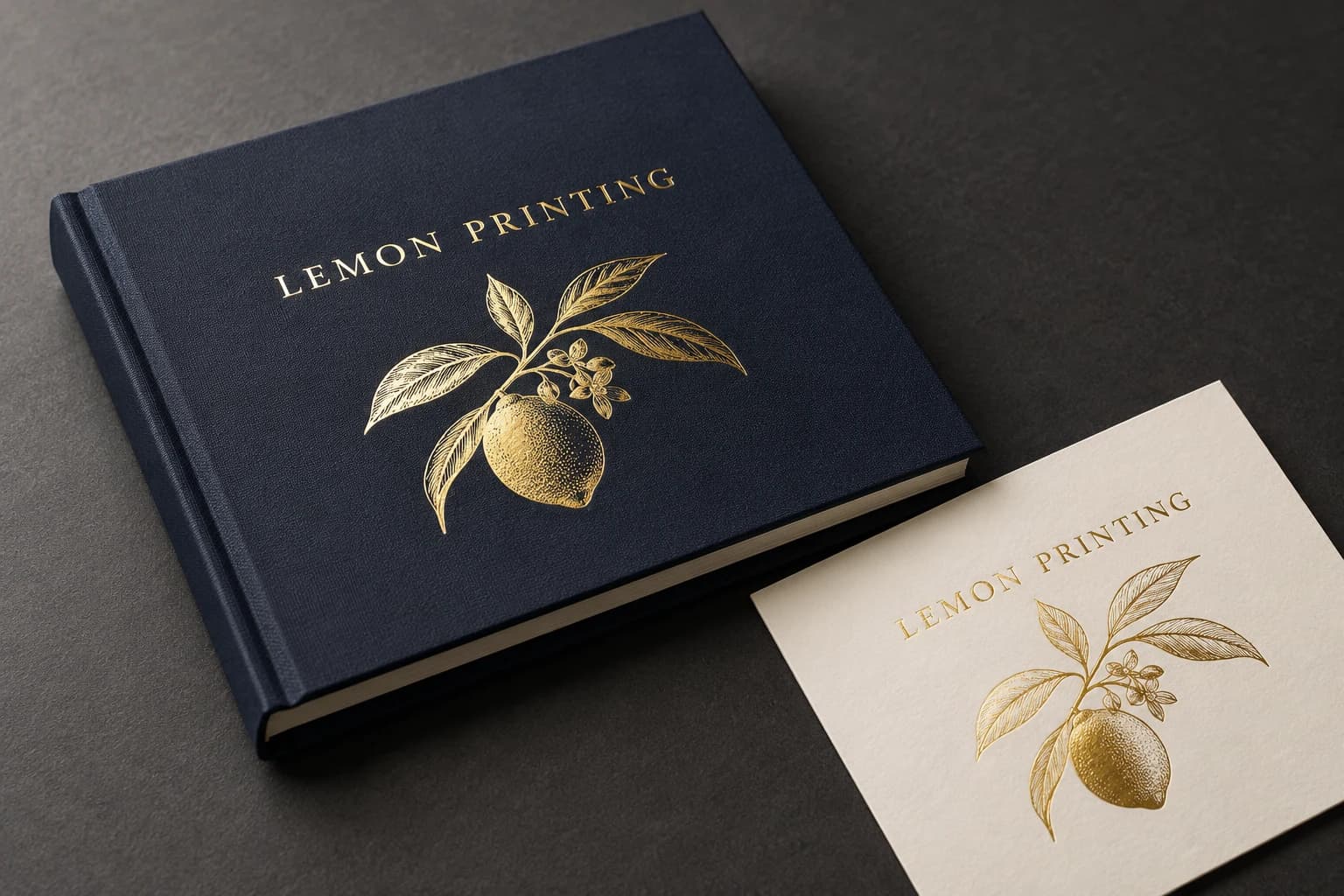 Gold foil stamping View effect & artwork guidance
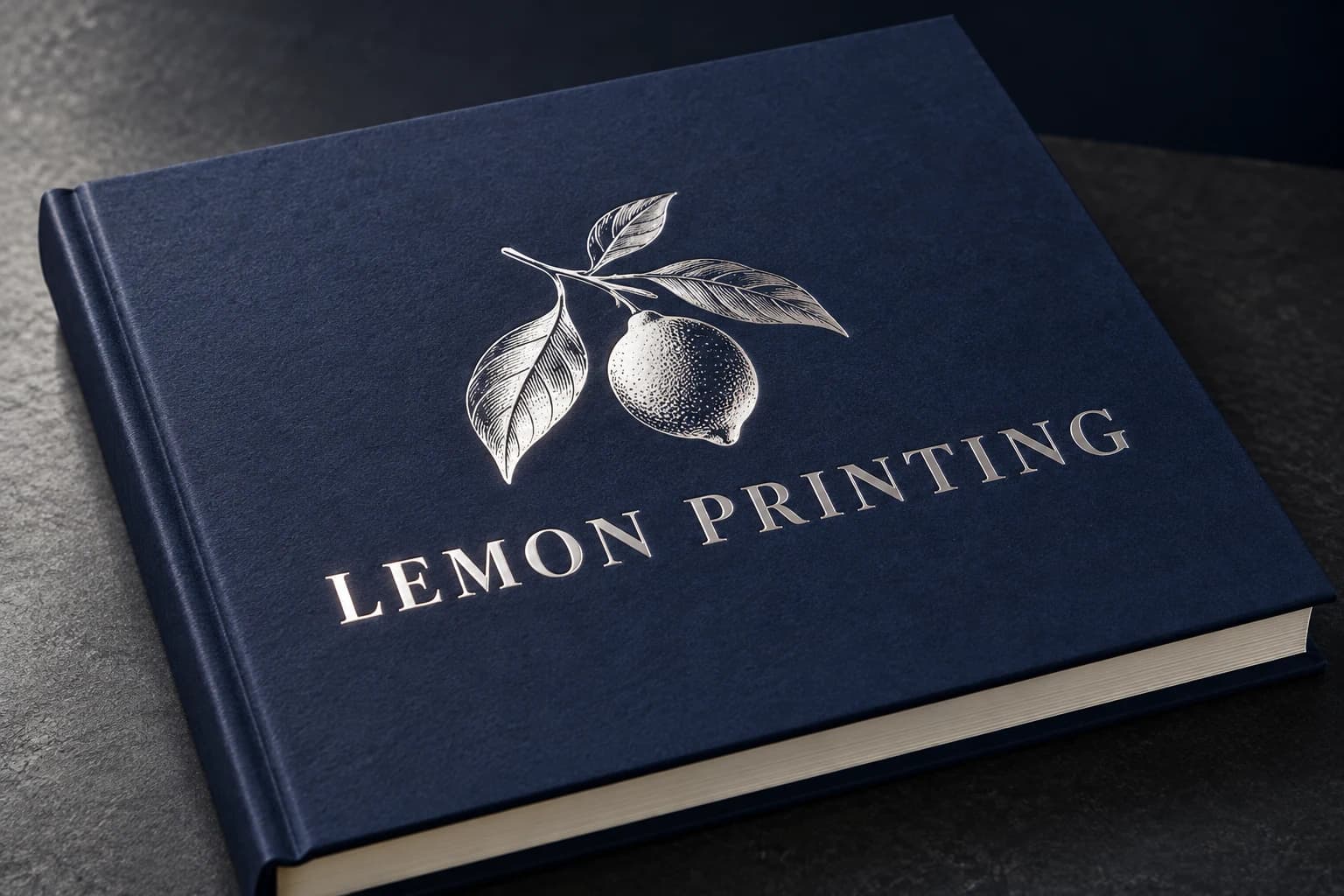 Silver foil stamping View effect & artwork guidance
Illustrative finish samples, not photographs of this product. Final suitability follows the confirmed stock, construction and approved sample.
Compare all surface finishesConstruction & finishing
Keep the Mail Side Usable for the Destination
Focus the review on address printing, handwriting where needed and code or postage zones.
01 / SELECTION CHECK
Design the mail side for its destination
Confirm the intended mailing service's size and layout requirements. Reserve address and postage areas before adding decoration; an attractive card does not automatically qualify for a particular postal category.
02 / SELECTION CHECK
Trial the addressing surface
Check handwriting or the specified variable-address process on the actual reverse. Gloss, film and selective finishes can change acceptance, drying or readability in those areas.
Mail-piece layout planning
Balance the image side with a usable address and message side
A postcard has two jobs: carry the visual message and remain practical to address, mail or distribute. Reserve the reverse-side zones early and verify the finished size against the postal service or campaign specification for the destination.
Compare dimensions and usable space
Published paper-size references. Postal eligibility follows the destination operator’s rules.
A6 · 105 × 148 mm
A compact image-and-message format; reserve address and postage zones for the destination operator.
Read every format’s selection note
- A6: 105 × 148 mm. A compact image-and-message format; reserve address and postage zones for the destination operator.
- A5: 148 × 210 mm. More room for an image and written message; assess the destination’s size and postage rules.
- Image / campaign face
- Message and address area
- Postage / postal marks
Select the material by its finished behavior
A coated image face and a writable uncoated reverse serve different tasks. Sappi’s 250 and 300 g/m² grades are coated supplier examples, not a postal qualification or Lemon stock list. Evaluate stiffness, address printing and writing on the actual finished piece; the destination operator sets mailing rules.
Production checks that prevent avoidable rework
Separate image and postal areas
Mark the address, postage and any barcode clear zones required by the destination service. Keep decorative backgrounds from reducing address contrast.
Check the mailing specification
Confirm acceptable finished dimensions, thickness, weight and addressing rules with the mailing provider; requirements differ by destination and service.
Proof variable addresses and QR codes
Test representative data records, line breaks and scan destinations on a printed sample. Ensure the QR route remains readable at actual size.
Use-case selection
Choose a configuration for the job it has to do
Direct-mail campaign
Use a concise message, a trackable response path and a layout prepared for the chosen postal service.
Trade-off: Postal rules and rates vary by destination and can change.
Destination or property promotion
Let the image establish context and use the reverse for a map, short details and contact action.
Trade-off: A high-gloss face may not suit handwriting or postal marking needs.
Retail or event keepsake
Use a durable card feel and a reverse that still accommodates a handwritten note if needed.
Trade-off: More coating can improve scuff resistance but reduce pen compatibility.
Problem → cause → solution
Resolve the failure points before production
The address or message cannot be written reliably
Why it happens: Both faces received a surface finish selected only for the image.
How to prevent it: Specify the writing face separately and test handwriting, address printing and the destination operator’s layout requirements.
The set or pack does not fit
Why it happens: Packaging was sized from one flat card or nominal GSM.
How to prevent it: Measure the complete finished stack after cutting and surface treatment; include dividers or carriers in the fit sample.
Alternative formats
When another construction is a better fit
| Alternative | Structural difference | Selection trade-off |
|---|---|---|
| Folded greeting card | Cover, inside message and envelope. | Offers private message space; adds a fold and an envelope instead of a single mail piece. |
Sampling & production
Choose a Sample That Answers Your Main Concern
A structural sample, a print proof and a finished sample answer different questions. Confirm the sample scope before approval. Free samples are prepared within 15 days; courier arrangements and transit time are separate.
Structure and material sample
Review card stock and image face with the proposed dimensions and component count. Agree whether the sample uses production materials or substitutes. An unprinted construction sample does not approve printed color.
Print and artwork proof
Review representative artwork at finished size on the agreed proof condition. Check fine detail and important colors. A screen proof cannot establish physical feel or the performance of the finished assembly.
Complete finished sample
Assess address printing, handwriting where needed and code or postage zones with the specified components and finishing present. Record the approved revision and any differences to resolve before production.
How to Order Postcard
Send your project brief
Send finished width × height in mm; mailing destination. Specify single card with image and address faces identified. State the number of postcards per design, language and mailing version, delivery destination and required arrival date. Tell us which options are undecided.
Compare the quotation
Ask for pricing by postcards per design, language and mailing version. Compare the same configuration at each quantity. The quotation should identify materials, finishing, sample scope, packing and freight, plus payment and order terms.
Review the right sample
Choose a sample that can demonstrate address printing, handwriting where needed and code or postage zones. Confirm what the free sample includes and any differences from the intended production specification. Preparation is completed within 15 days; courier arrangements and transit time are separate.
Approve the production version
Confirm the specification, file revision and sample decisions in writing. Production scheduling follows the agreed approvals and order release conditions; changes may require a revised quote or schedule.
Confirm packing and delivery
Pack flat to avoid curl and corner damage. Separate designs and addressing batches and protect image faces without contaminating writable or printable mail areas. Agree the destination and shipping arrangement, with production, dispatch and transit dates listed separately.
Details to Confirm in the Quotation
- Order unit and price breaks
- Specify postcards per design, language and mailing version. Request the feasible minimum and quantity breaks for that exact configuration; a change of material, version or component count can change the price.
- Sample scope and delivery
- State whether you need a material trial, a print proof or a complete finished sample. Free samples are available, with preparation completed within 15 days. Confirm the included materials and processes; courier arrangements and transit time are separate.
- Approval and schedule
- State the required arrival date and whether versions ship together or to separate destinations. The quote must distinguish sample work, production and transit; a requested date is not a confirmed schedule.
- Packing and identification
- Pack flat to avoid curl and corner damage. Separate designs and addressing batches and protect image faces without contaminating writable or printable mail areas.
- 01
Identify image and mail faces and the destination service. Reserve address, postage and machine-readable zones, keeping variable-address data separate from static artwork.
- 02
Use the PDF/X export preset and output condition confirmed with prepress. Embed fonts and identify the approved file revision.
- 03
Check continuous-tone images at about 300 effective pixels per inch (ppi) at their final placed size. Fine linework can require a different resolution or vector artwork.
- 04
Extend trim artwork by 3 mm unless the approved template specifies otherwise. Keep structural, folding and binding clearances separate from trim bleed.
- 05
Identify named spot colors or physical references and the intended substrate. Agree proof acceptance and keep finishing separations distinct. A screen PDF does not approve printed color.
Engineering & purchasing FAQ
Questions Before Ordering Postcard
Can both sides have the same gloss finish?
They can only be specified around the intended function. If the reverse must accept writing or variable addresses, trial that process on the surface. A display-oriented image finish may not serve the mail side.
Will every postcard size qualify for mailing?
Eligibility depends on the destination operator and service, including layout and dimensions. Identify the mailing route first and verify its applicable requirements rather than relying on the product name alone.
Can you choose a postal size for my campaign?
Tell us the destination and mailing service you intend to use. Check that service’s current size and layout requirements before artwork approval; custom printing does not automatically qualify a piece for a postal rate.
Which sample should I request first?
Start with the uncertainty that could change the specification: address printing, handwriting where needed and code or postage zones. If the concern is physical, request the relevant material or functional sample. If it is print appearance, agree a suitable proof. Confirm the sample scope before approval. Free sample preparation is completed within 15 days; courier arrangements and transit time are separate.
How should I state quantities for a quote?
Use postcards per design, language and mailing version. Separate versions and give a delivery destination and required arrival date. This lets the quote distinguish the production quantity, packing and shipping scope.
Your project specification
Plan Your Postcard Order
Send finished width × height in mm; mailing destination. Specify single card with image and address faces identified. State the number of postcards per design, language and mailing version, delivery destination and required arrival date. Tell us which options are undecided.