
Compare formats & applications
Custom Book Printing
A book's format determines how its content is handled, read and stored. Casebound editions provide a firm exterior; paperbacks keep the publication flexible; mounted-board books create thick leaves; continuous coil supports fold-back use. Compare the formats below, then discuss the size, quantity and use of your project.
- Cover structure
- Opening behavior
- Interior surface
Category overview
Compare Book Formats by Reading and Handling
A book's format determines how its content is handled, read and stored. Casebound editions provide a firm exterior; paperbacks keep the publication flexible; mounted-board books create thick leaves; continuous coil supports fold-back use. Interior surface, opacity and binding together shape the reading experience for illustrated titles, text editions and working publications. Start by comparing the functions in this range; each linked product page explains its own materials and construction.

Product formats
Compare Book Formats for Your Publication
Review the available formats, then open a product page for its construction, materials, artwork and purchasing details.
Illustrative product configuration
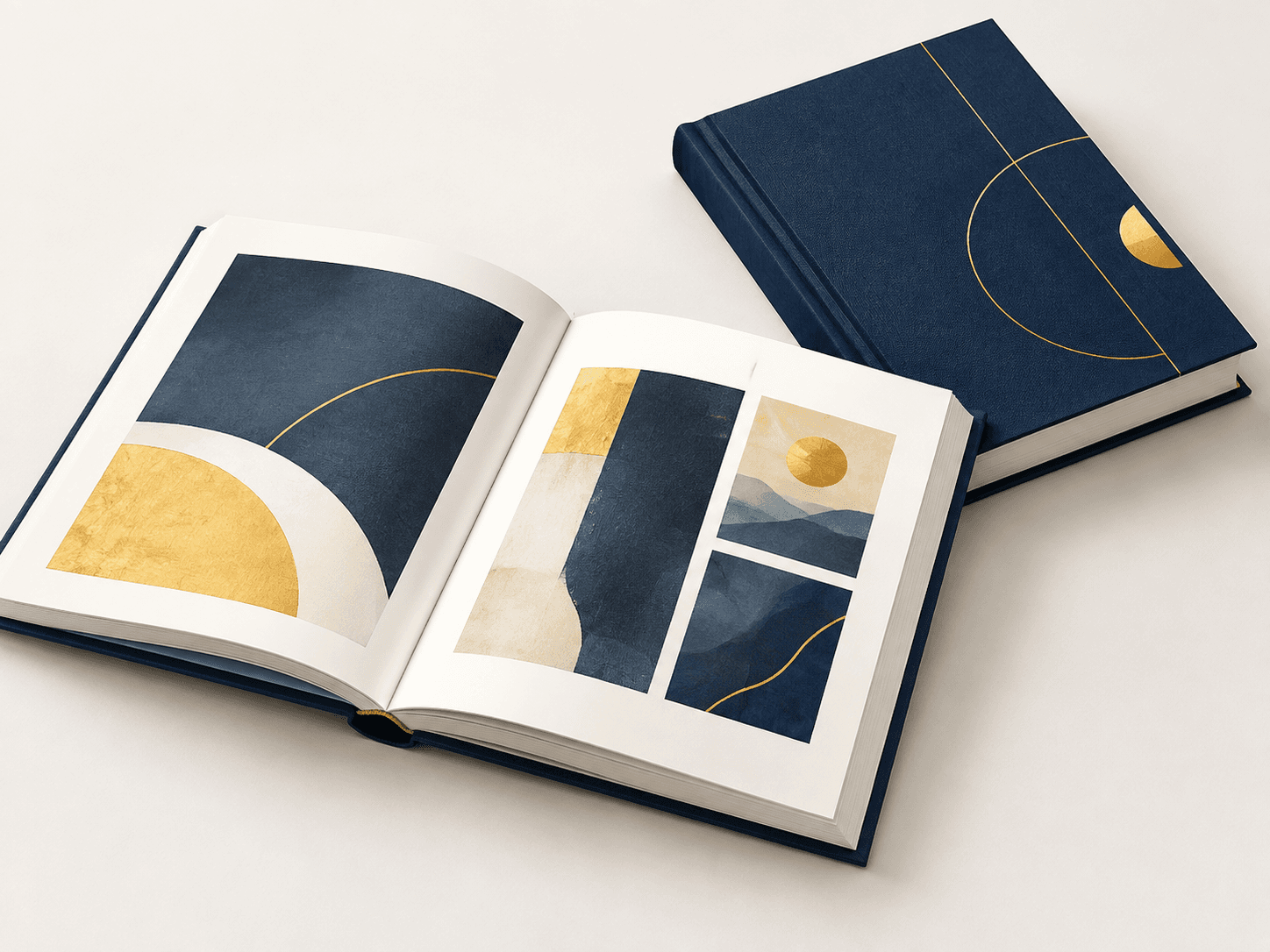
Hardcover Book Printing
Wrapped boards protect the page edges and support a full cover design across the front, spine and back.
Illustrative product configuration
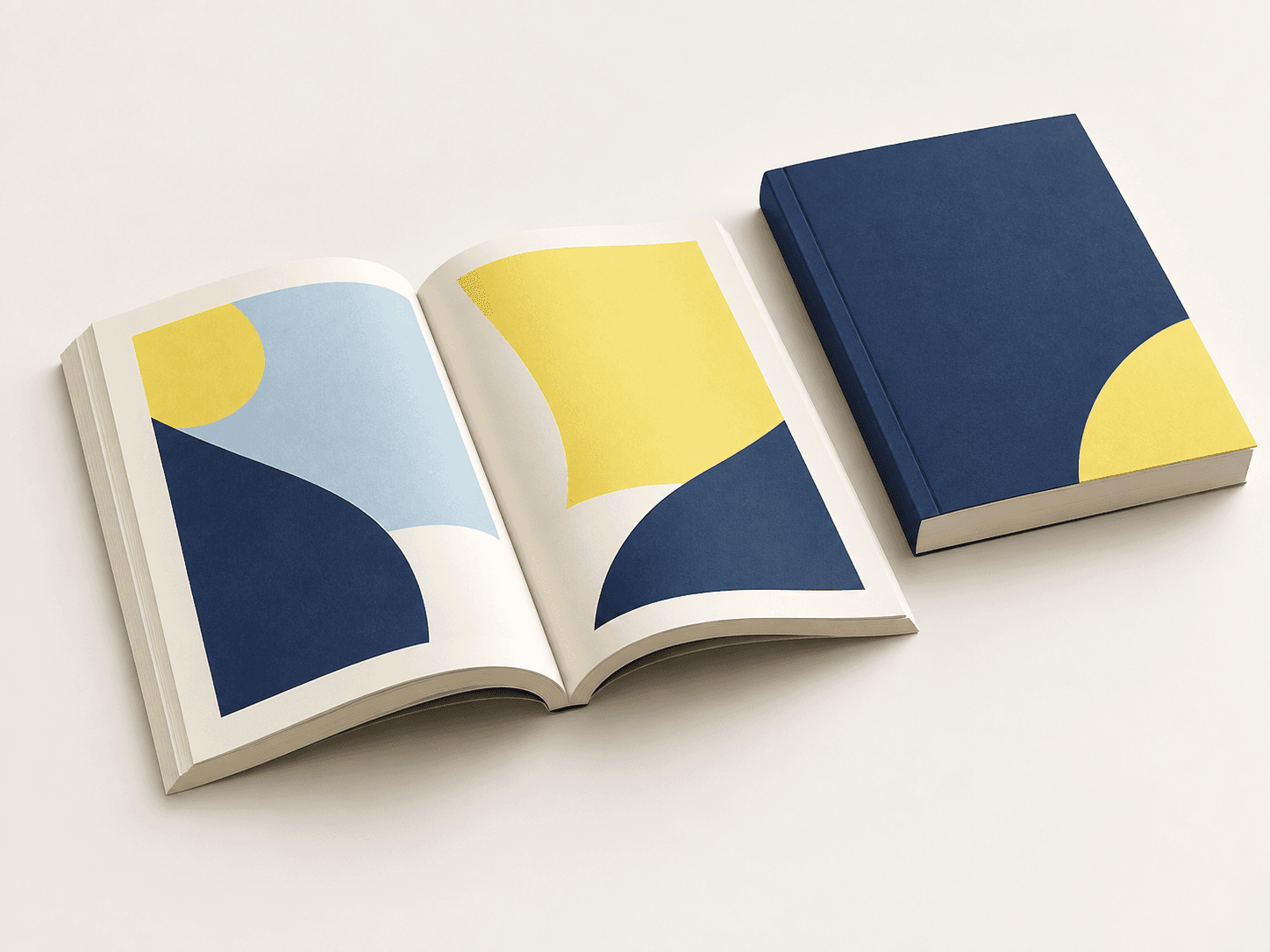
Paperback Book Printing
A card cover bends with the book and keeps the format less bulky than a rigid case.
Illustrative product configuration
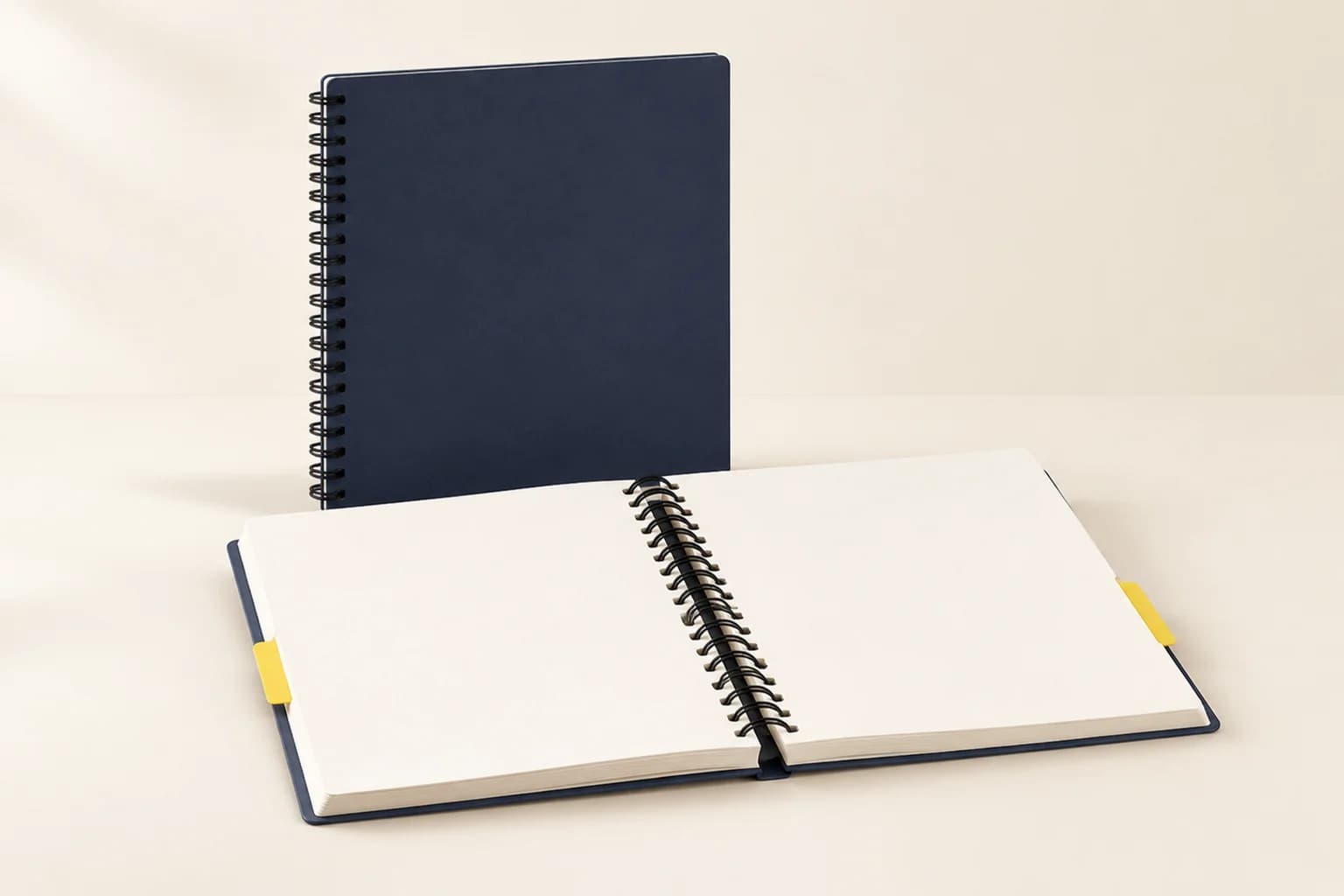
Spiral-Bound Book Printing
Keep a workbook or reference spread open while writing or following an instruction.
Illustrative product configuration
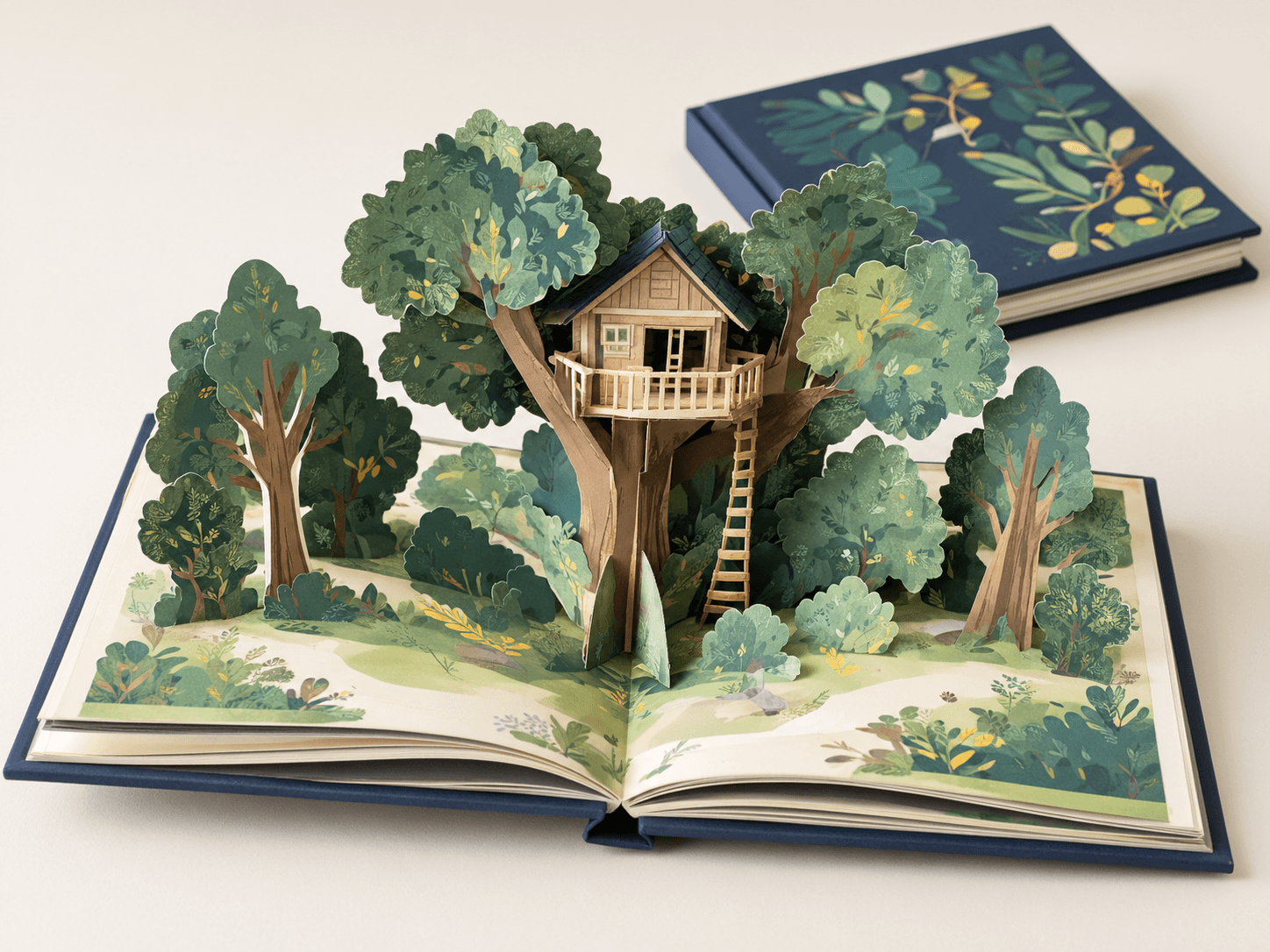
Pop-Up Book Printing
Cut and folded components rise from a spread as the book opens, giving the illustration depth.
Illustrative product configuration
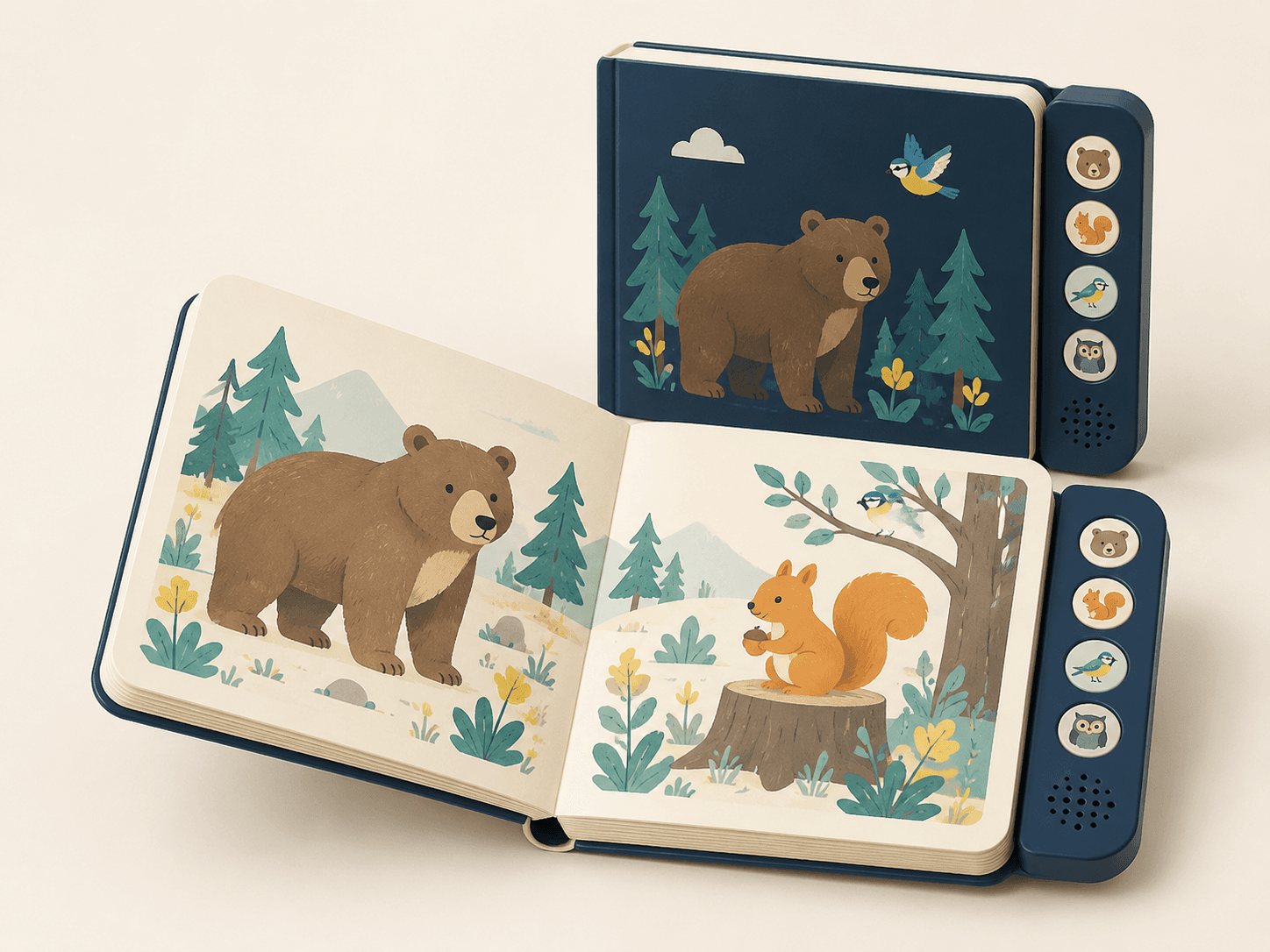
Sound Book Printing
Buttons or specified triggers connect a printed image with its assigned narration, music or effect.
Illustrative product configuration
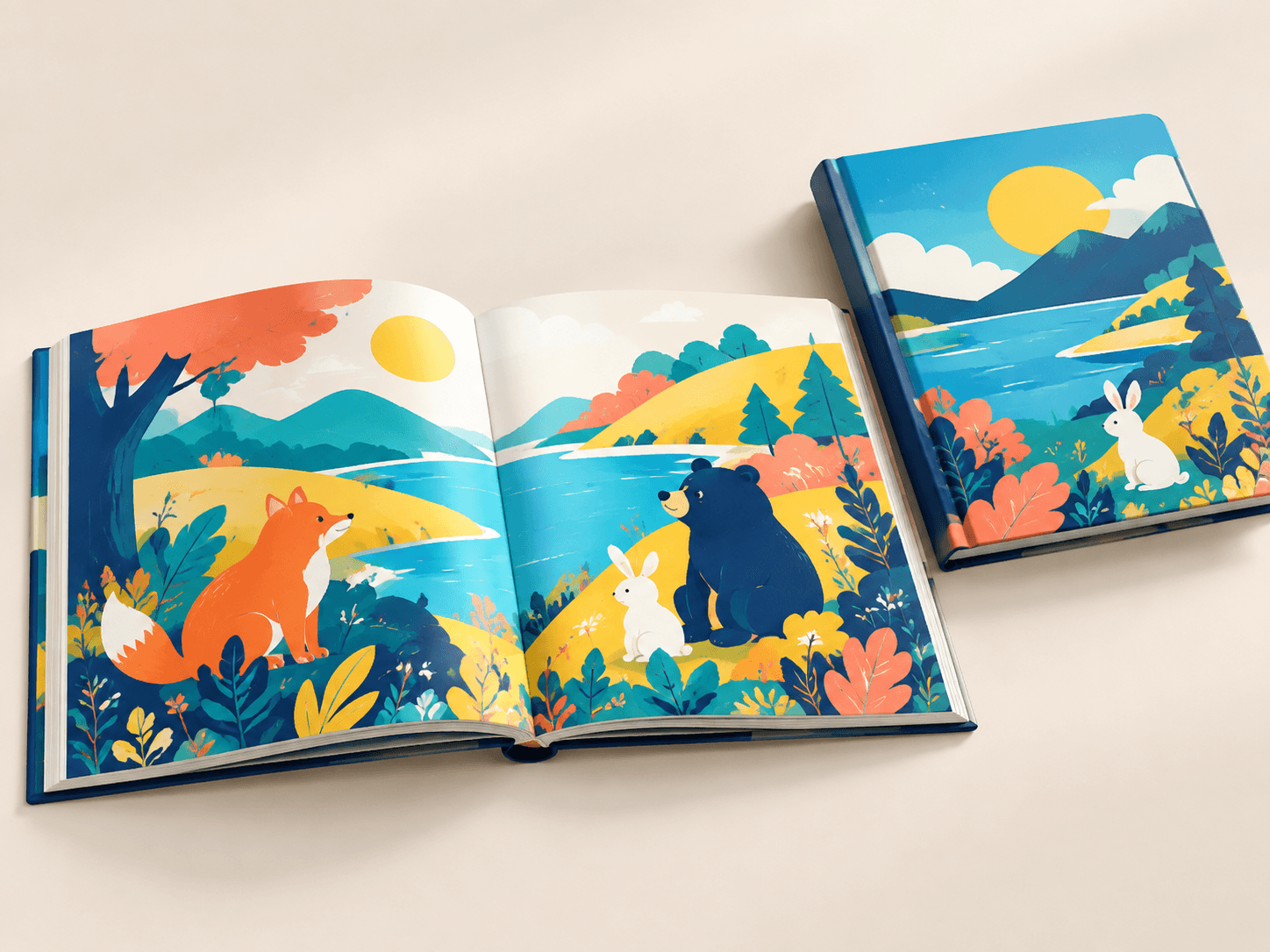
Children's Book Printing
Illustrations, type size and page format determine how easily a spread can be read together.
Illustrative product configuration
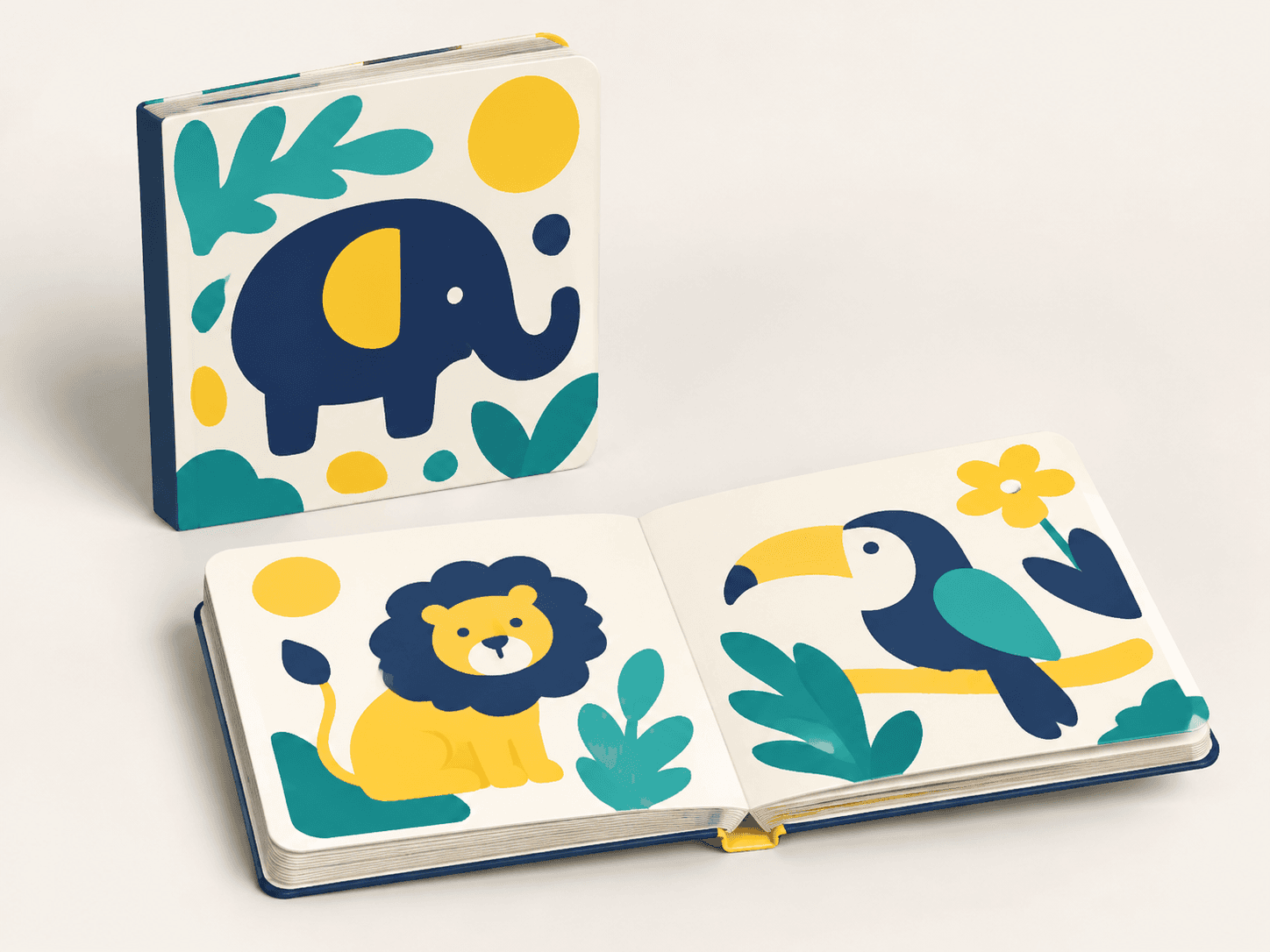
Board Book Printing
Printed sheets are mounted into stiff pages that feel different from ordinary paper interiors.
Illustrative product configuration
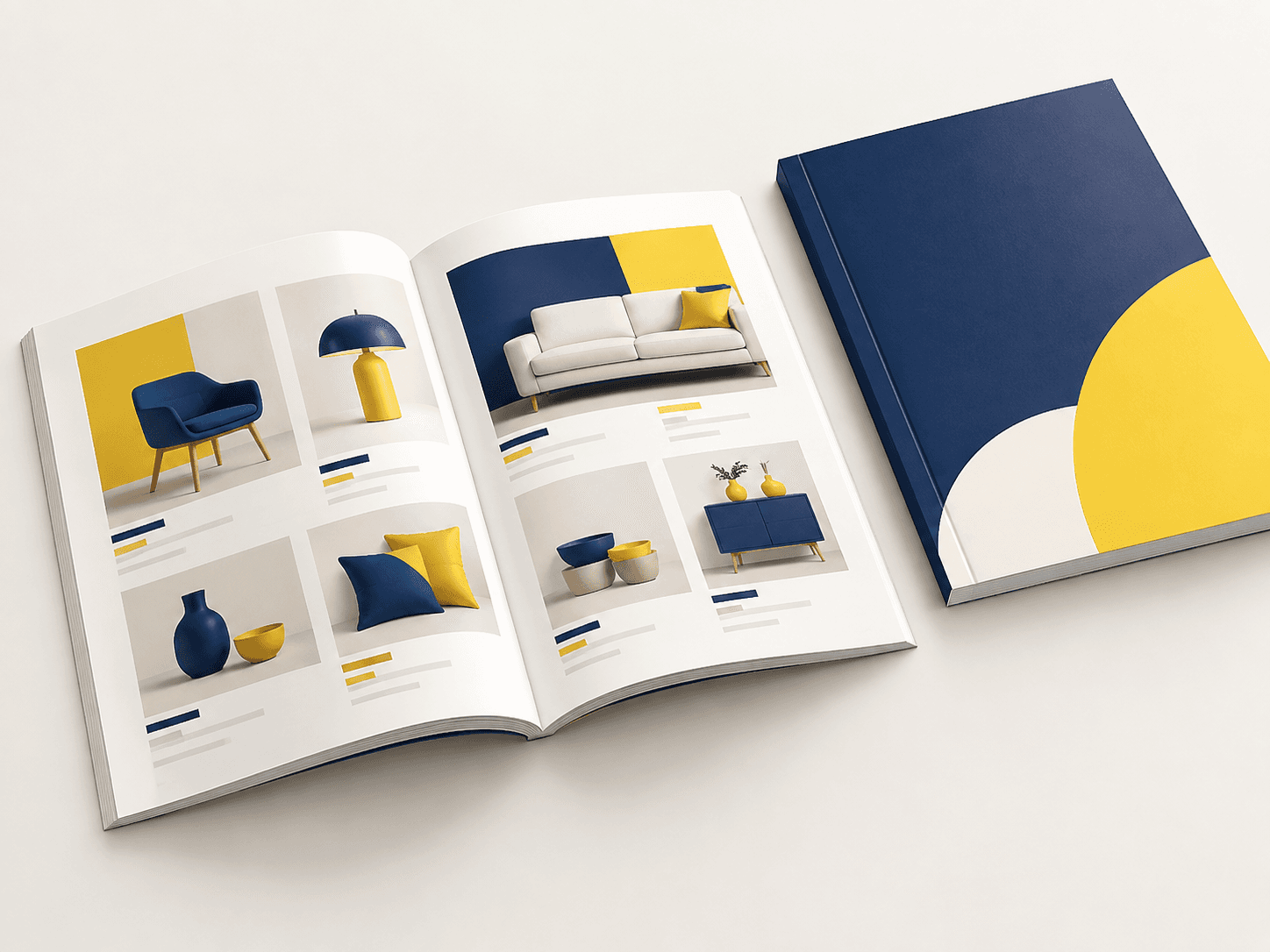
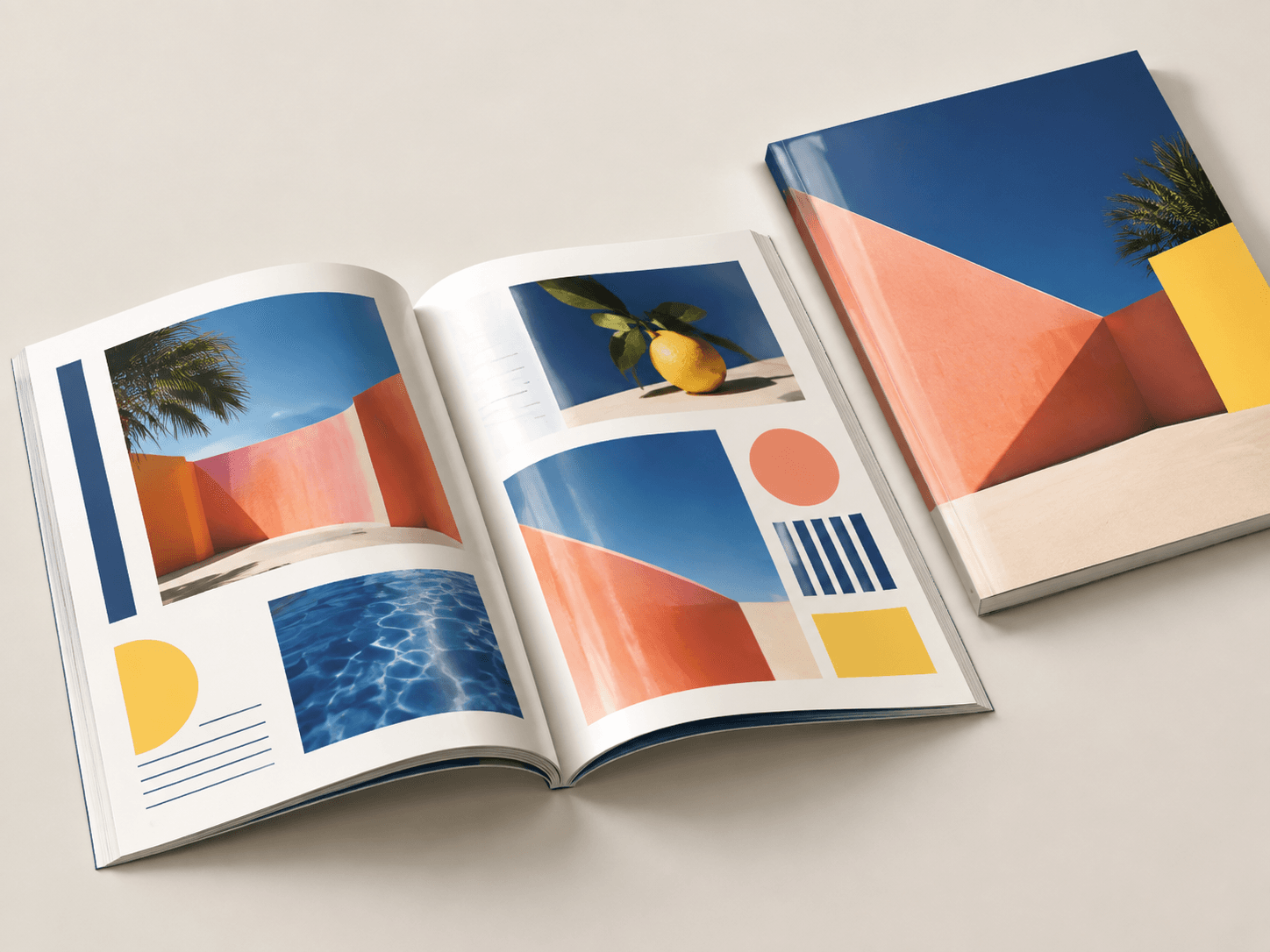
Catalog Printing
Product groups, identifiers and specification tables bring a range into one physical reference.
Illustrative product configuration
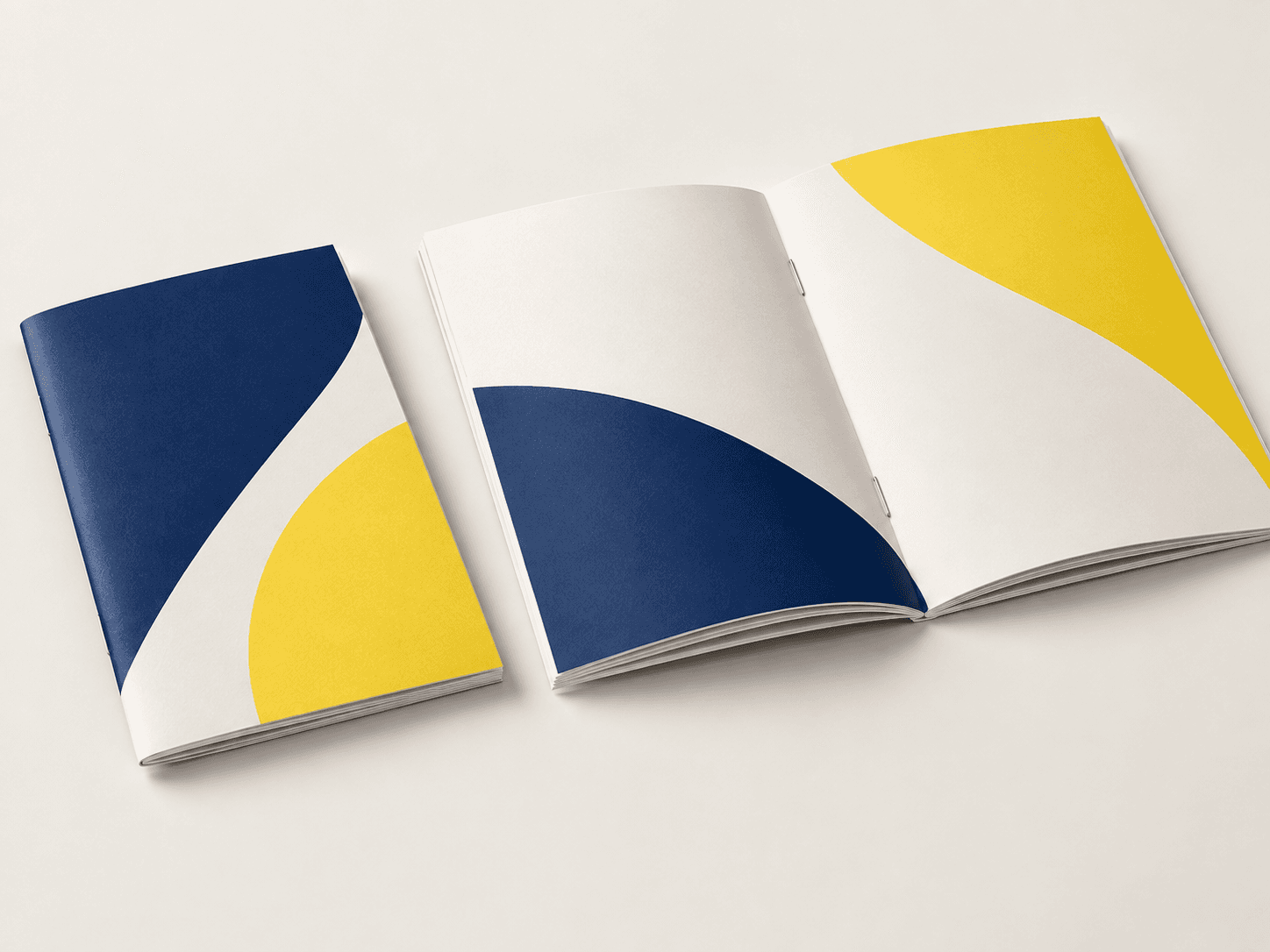
Magazine Printing
Issue numbering, recurring sections and cover identity organize a publication released in a series.
Illustrative product configuration
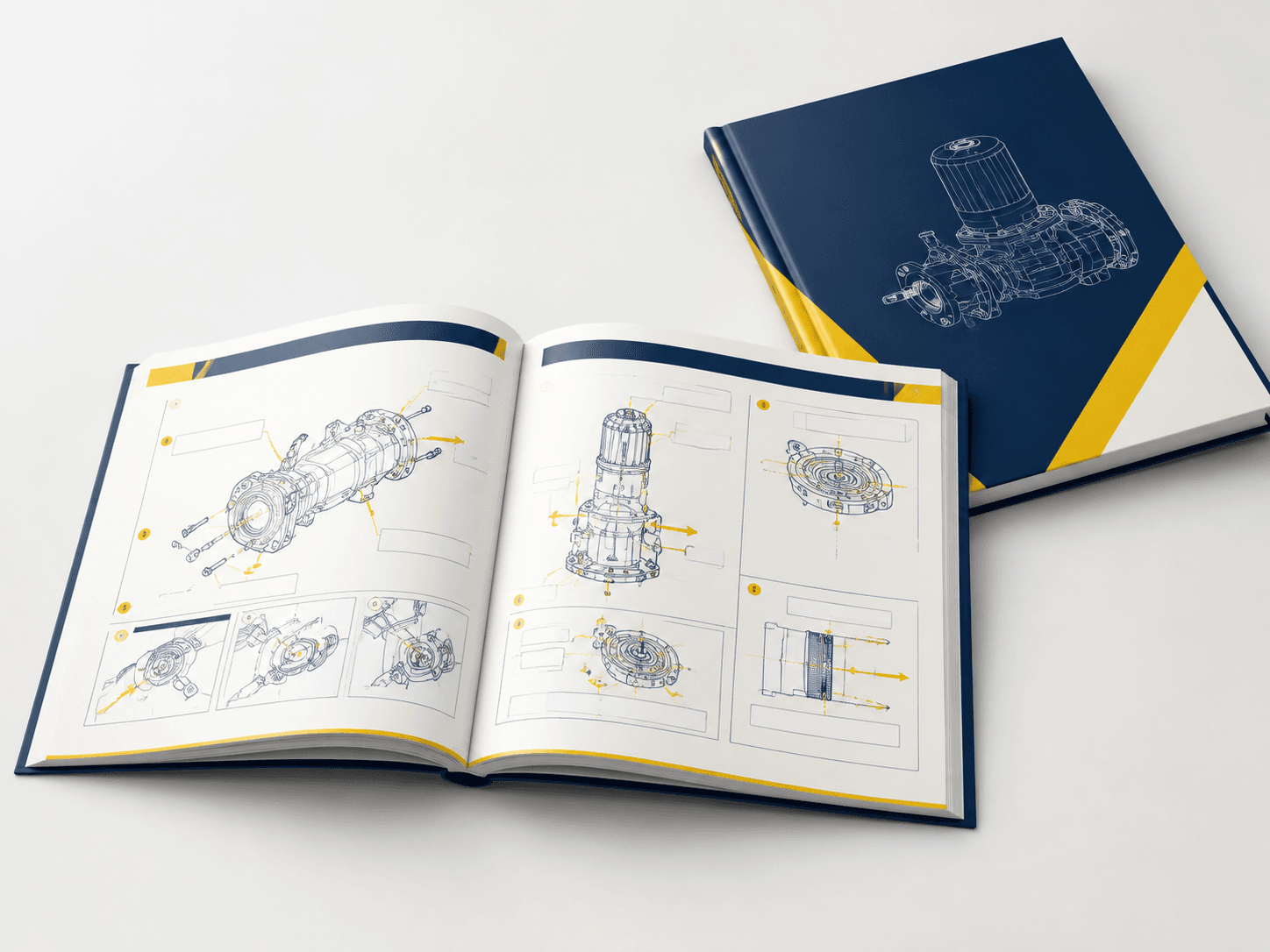
Booklet Printing
Nested folded sheets create a short publication with a visible center spread.
Illustrative product configuration
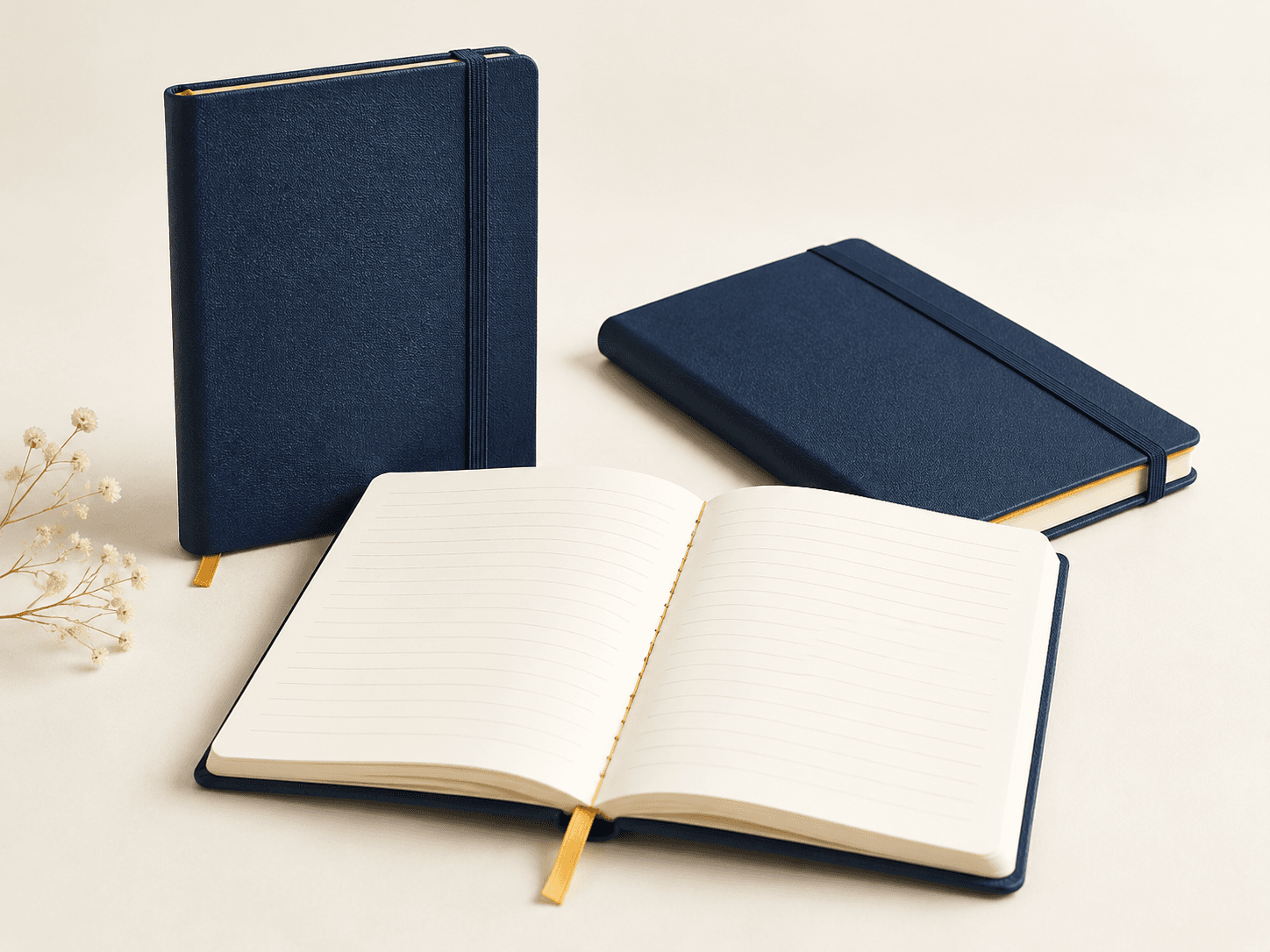
Manual Printing
Diagrams, labels and steps share a layout designed to be consulted while work is being done.
Illustrative product configuration
Notebook & Journal Printing
Blank, lined, dotted or grid interiors organize notes in different ways without changing the core format.
Illustrative product configuration
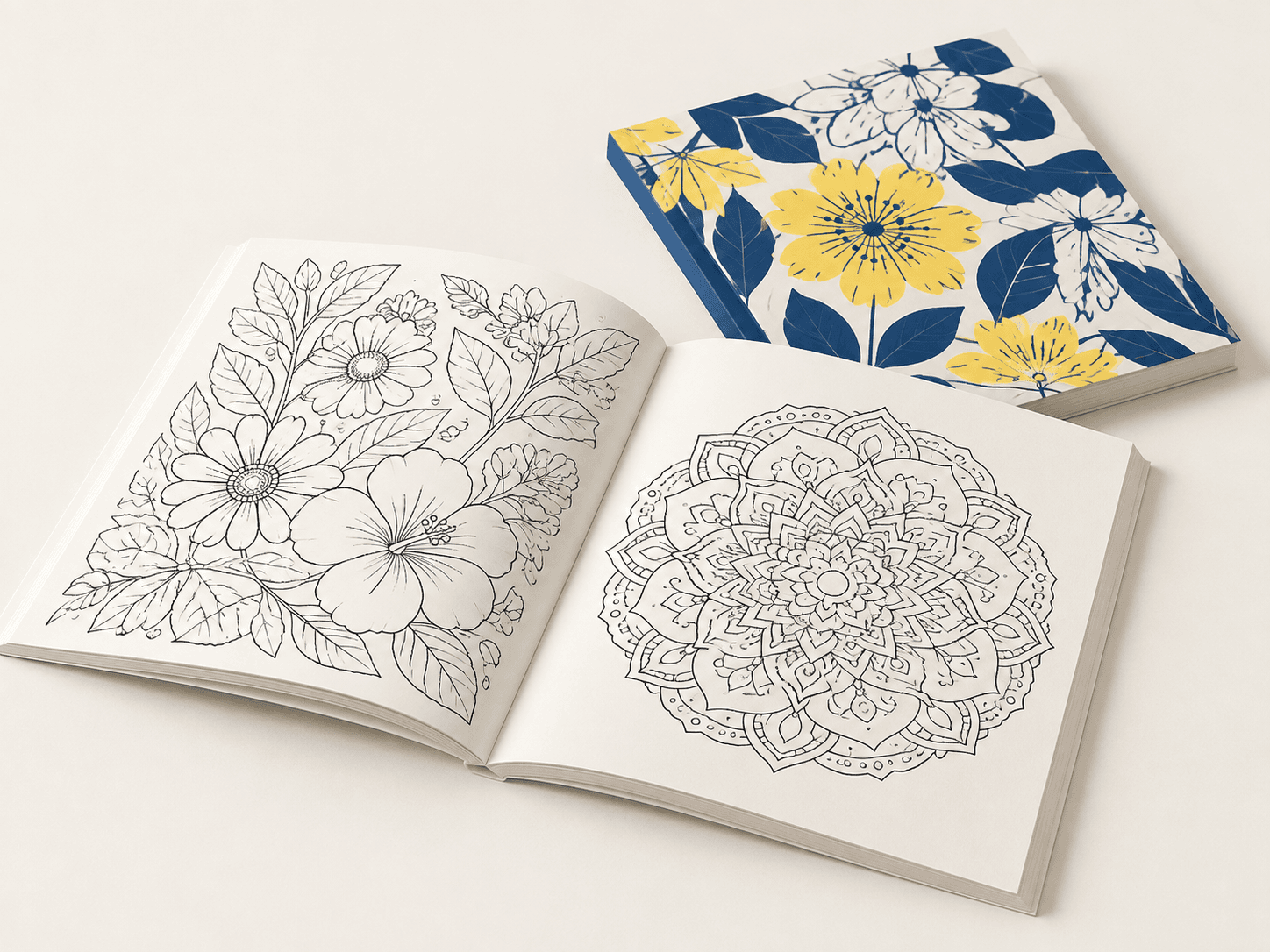
Coloring Book Printing
Linework sits on an uncoated surface chosen around pencils, crayons or specified markers.
Illustrative product configuration
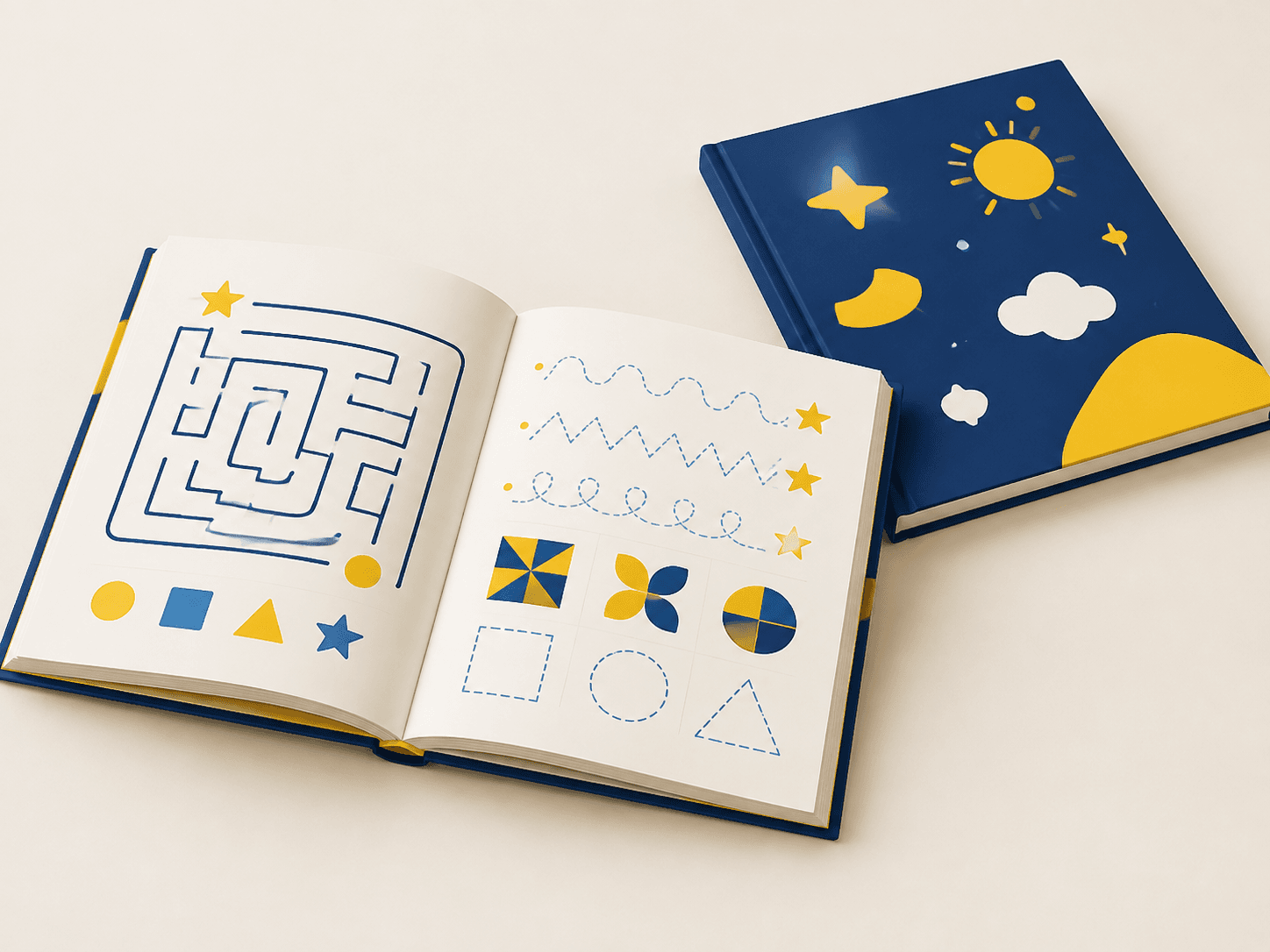
Activity Book Printing
Writing, coloring, matching and puzzles use page layouts tailored to the activity.
Illustrative product configuration
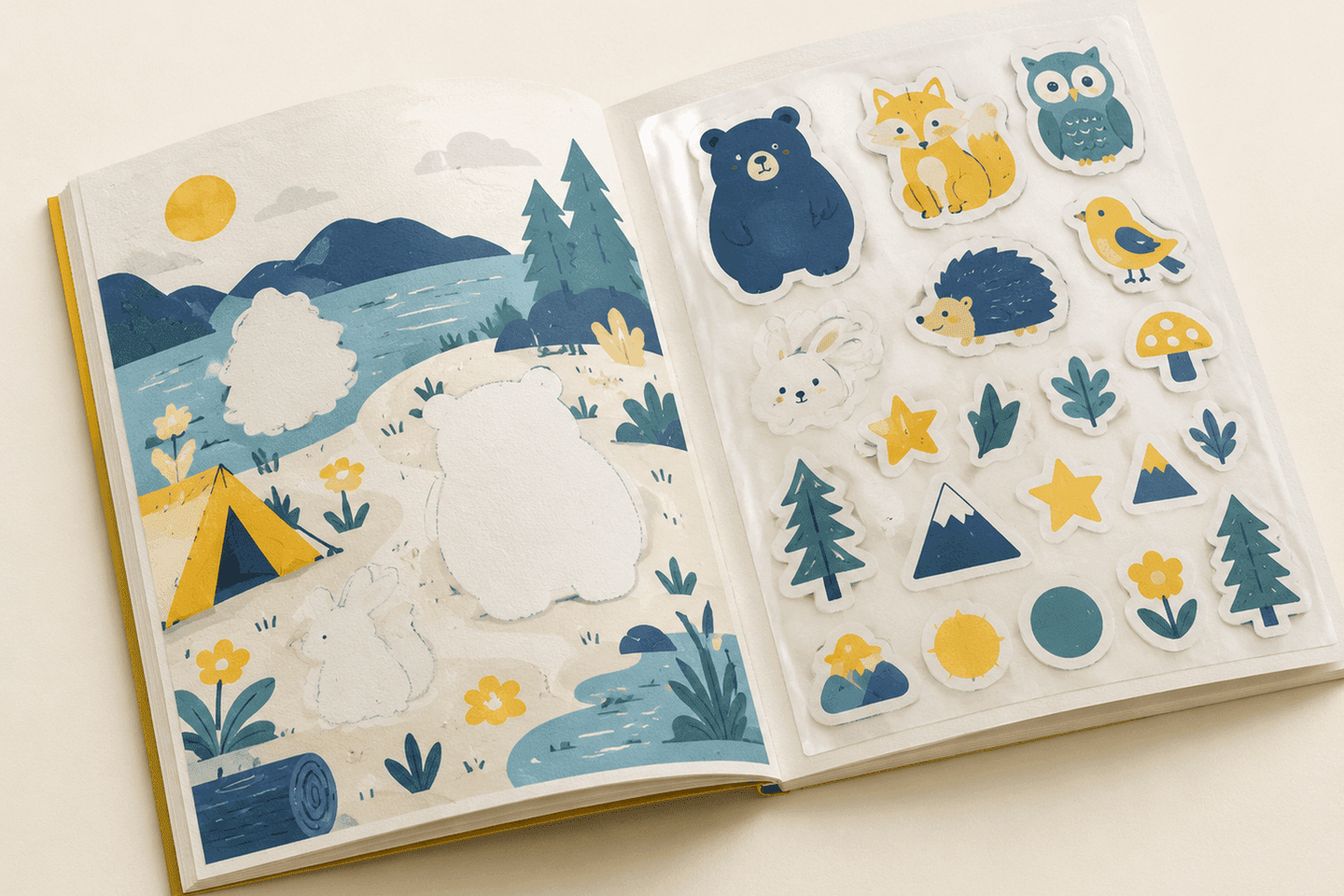
Sticker Book Printing
Sticker books combine an illustrated page map with a controlled peel, placement and storage experience.
Illustrative product configuration
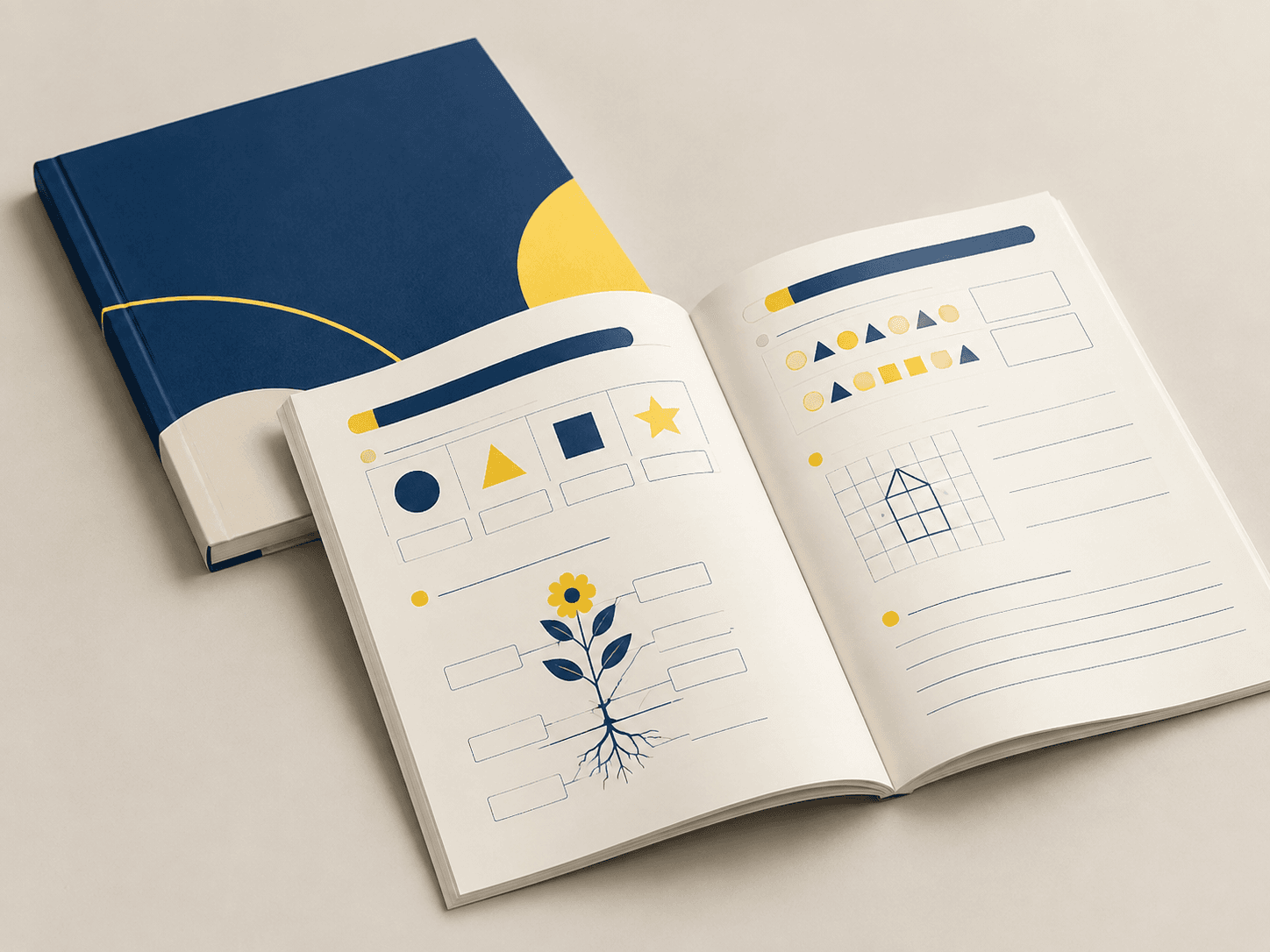
Workbook Printing
Ruling, answer boxes and diagrams organize the space readers use to complete an exercise.
Illustrative product configuration
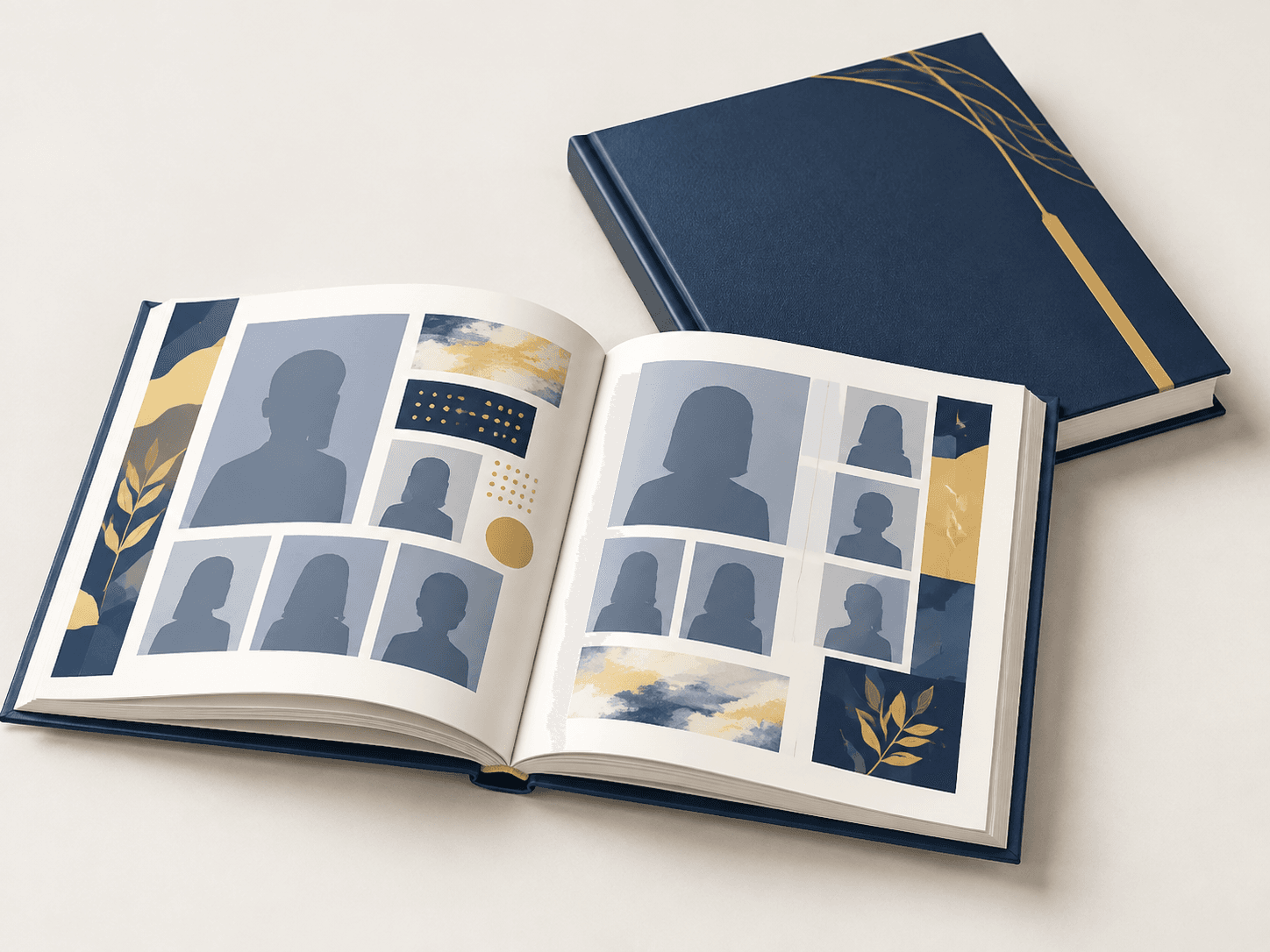
Yearbook Printing
Small portraits and wide group images call for different crops and legible identifying text.
Illustrative product configuration
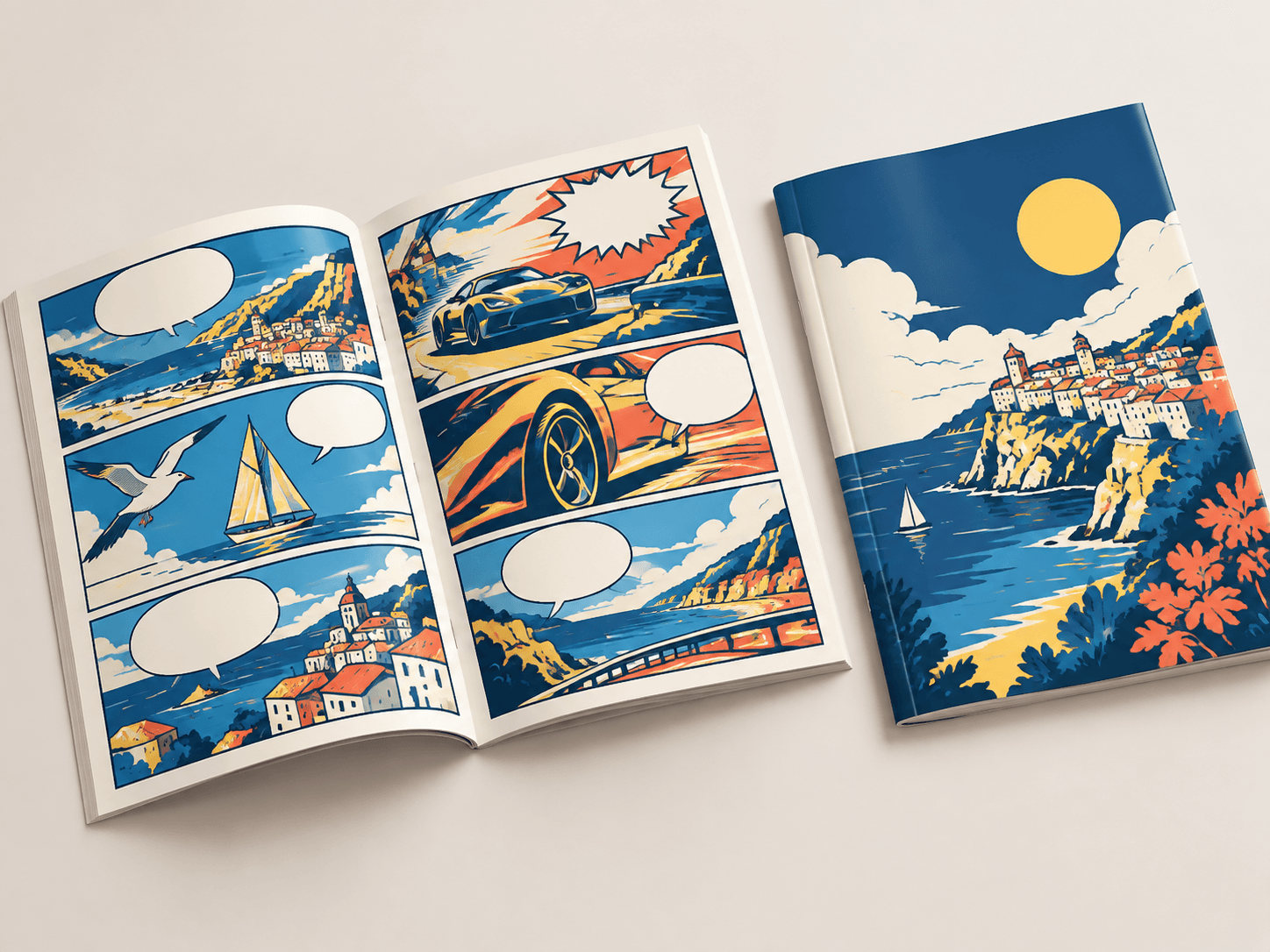
Comic Book Printing
Page turns, dialogue and lettering guide the reader through sequential artwork.
Illustrative product configuration
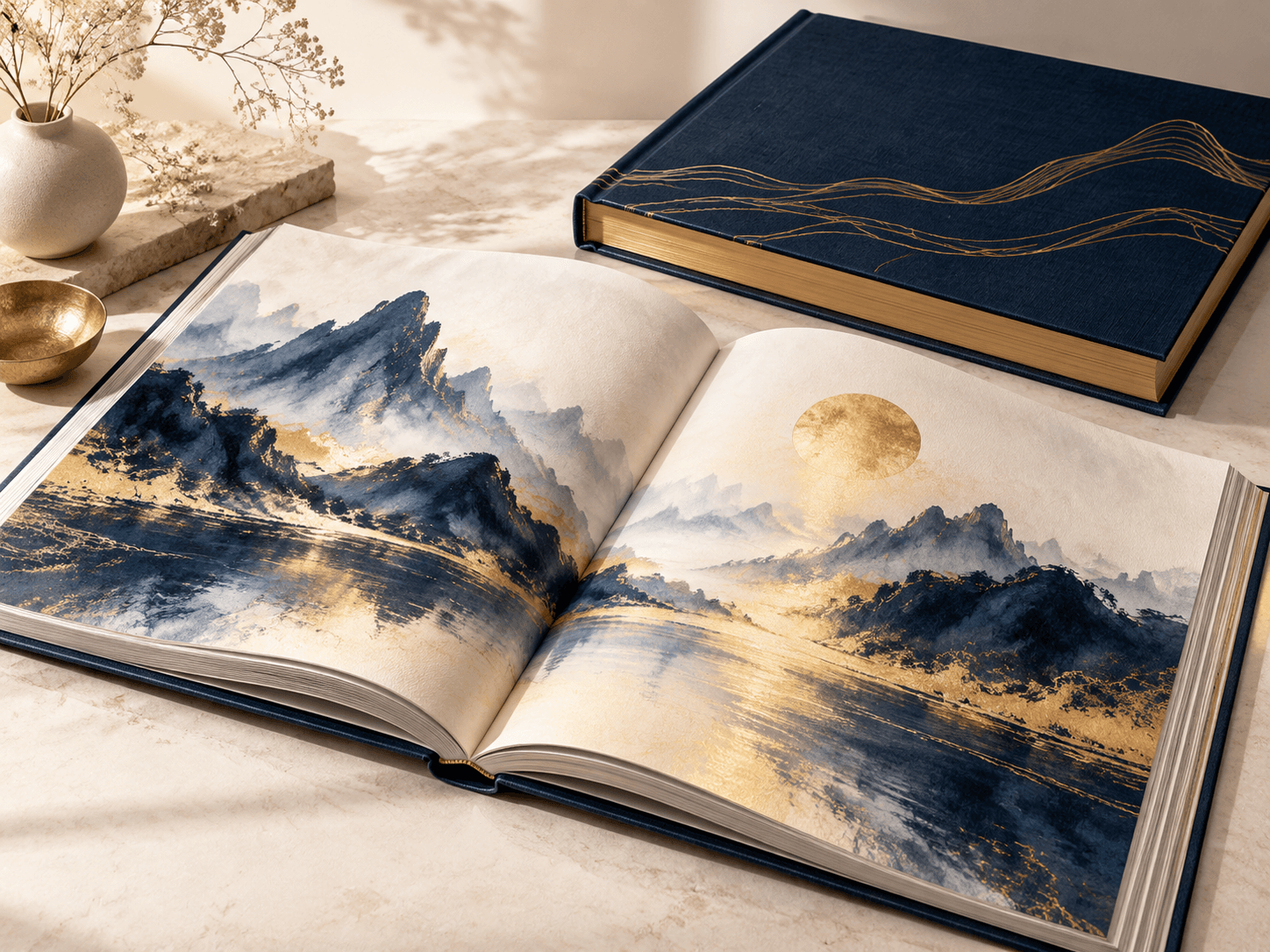
Coffee Table Book Printing
A larger trim gives photographs and visual narratives more room than a compact reference edition.
Illustrative product configuration
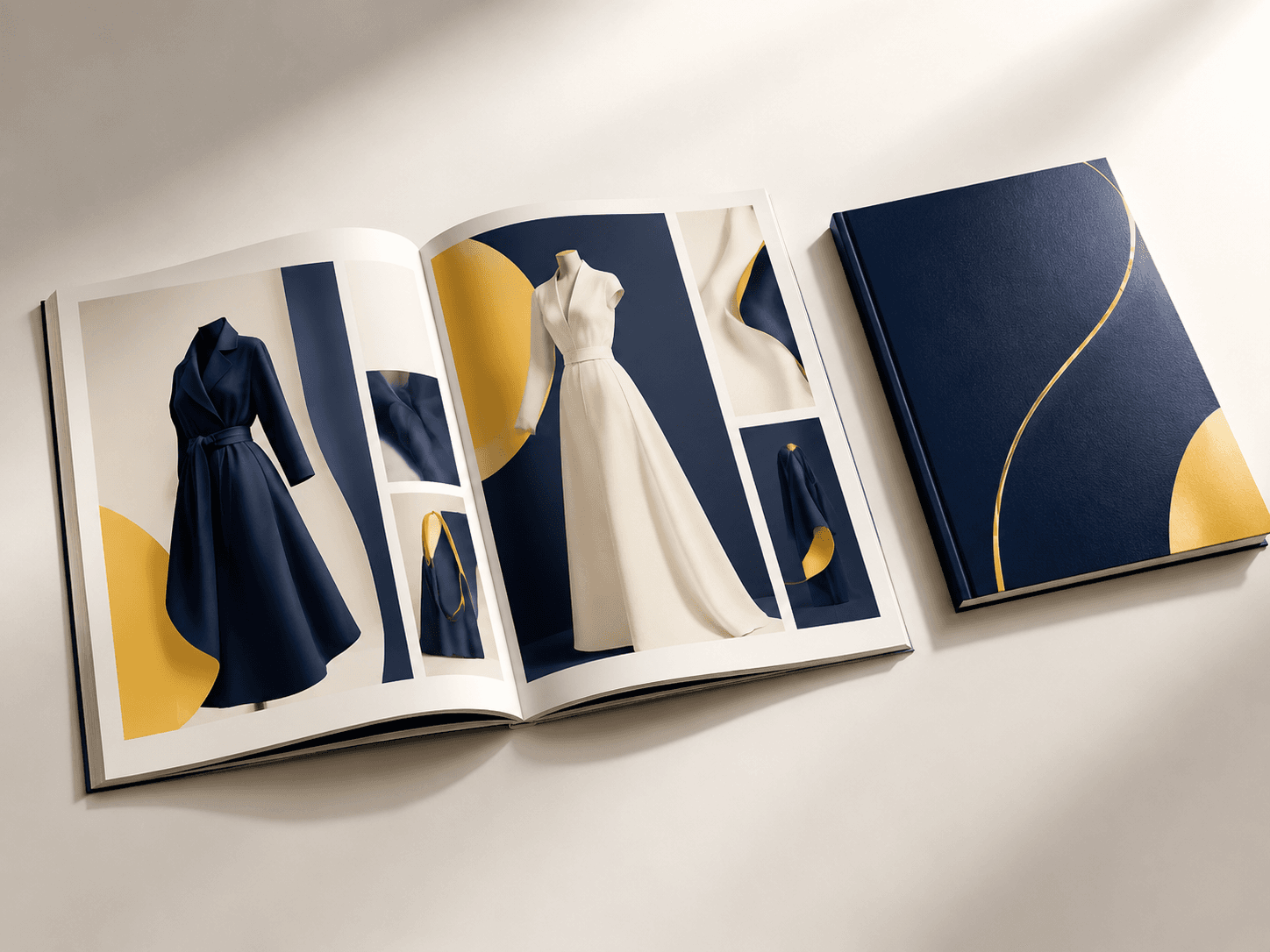
Lookbook Printing
Photography, captions and open space communicate the identity of a seasonal or product range.
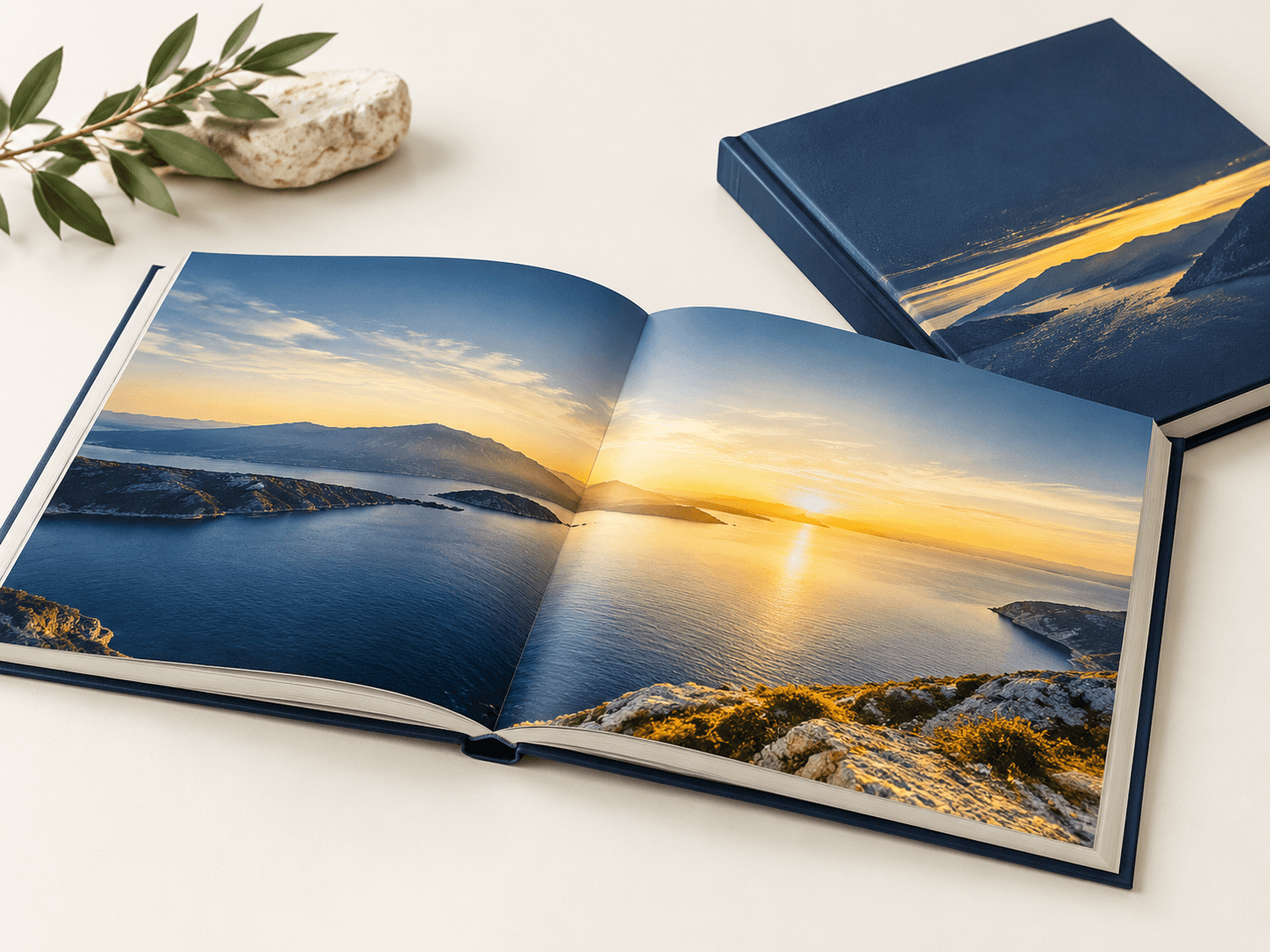
Illustrative product configuration
Photo Book Printing
Image size, crop and order shape the story through the page turns.
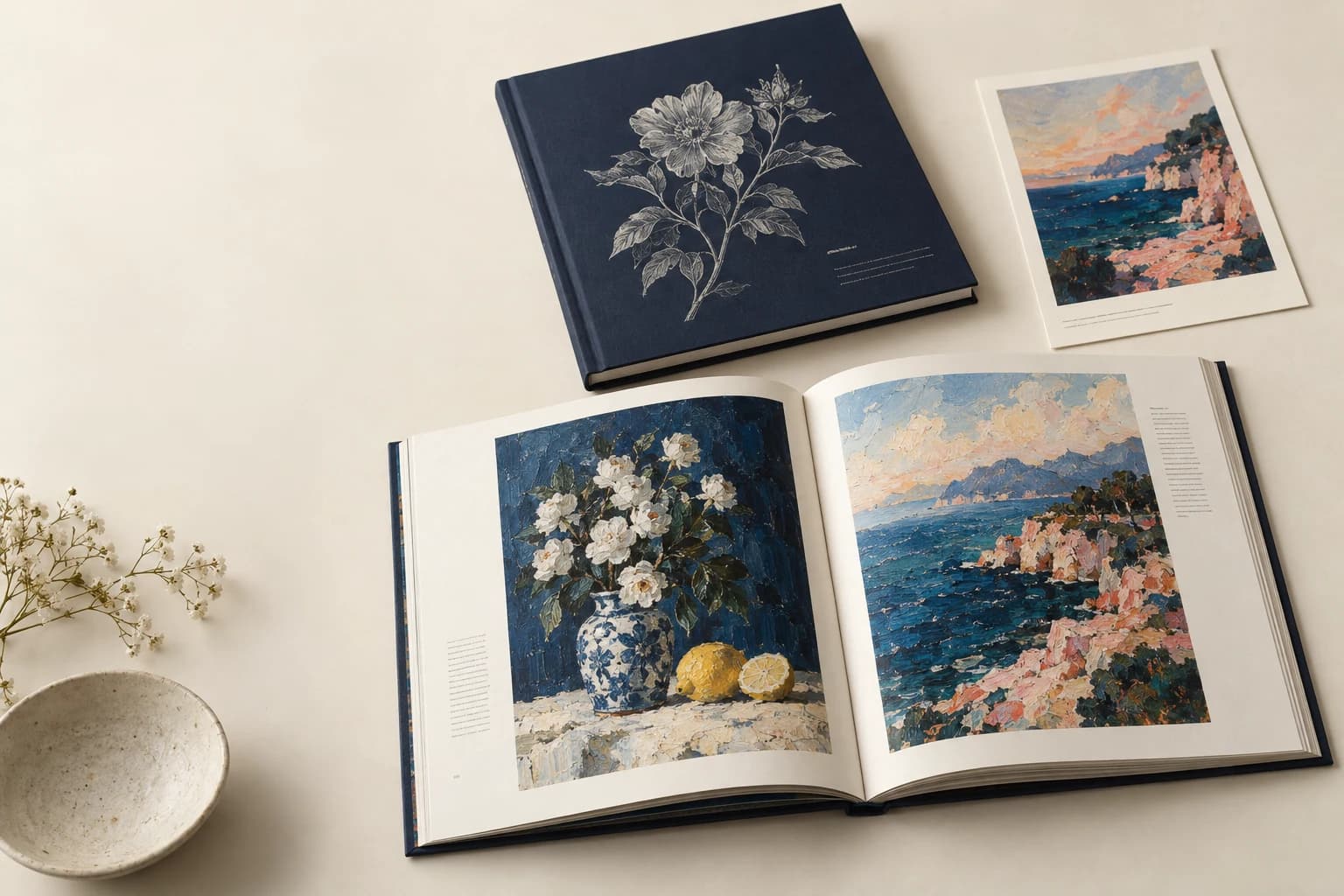
Illustrative product configuration
Art Book Printing
Artwork reproductions need a paper surface and viewing sequence that preserve subtle tones, fine marks and captions.
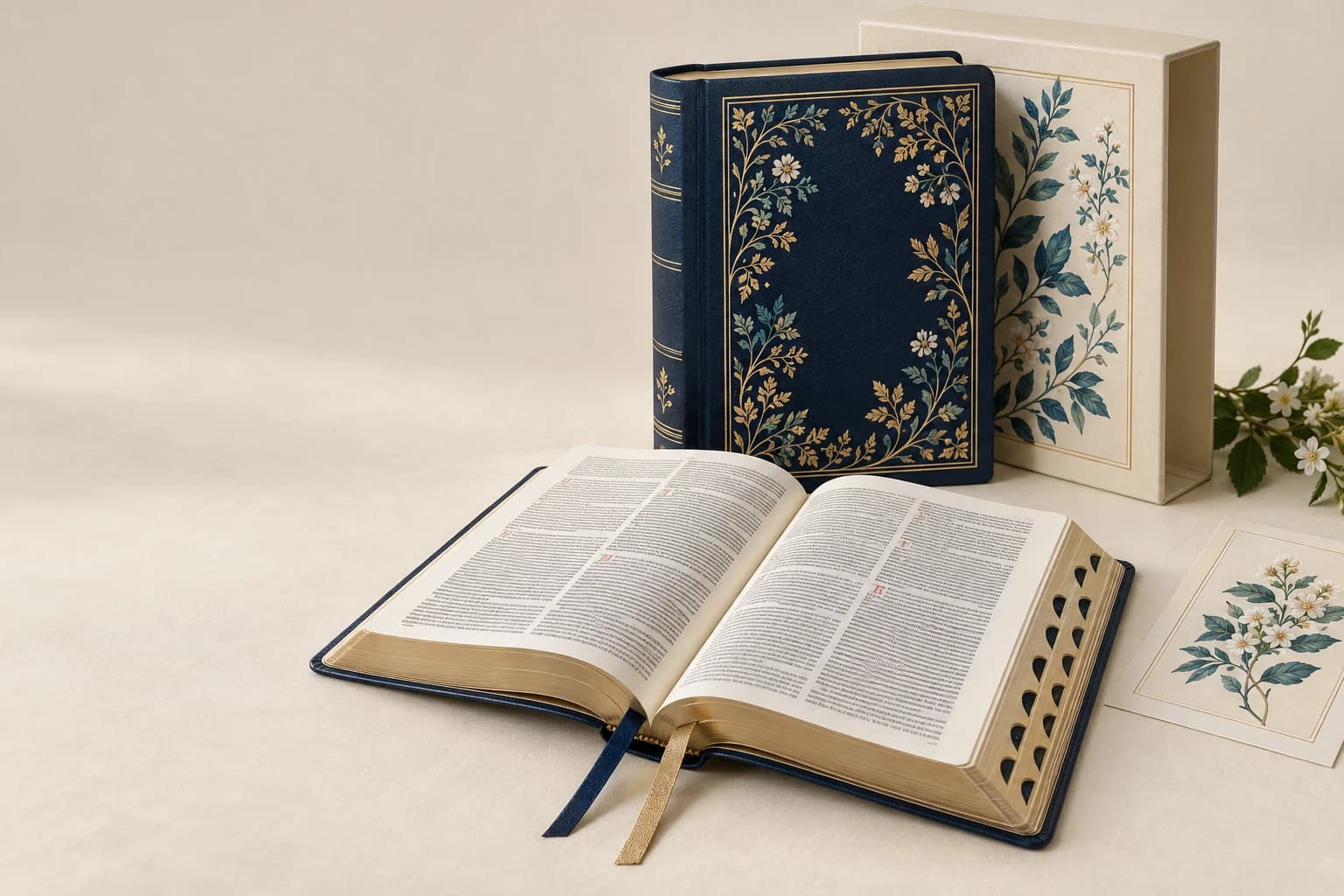
Illustrative product configuration
Bible Printing
Long scripture editions need a compact page block without making small type difficult to read.
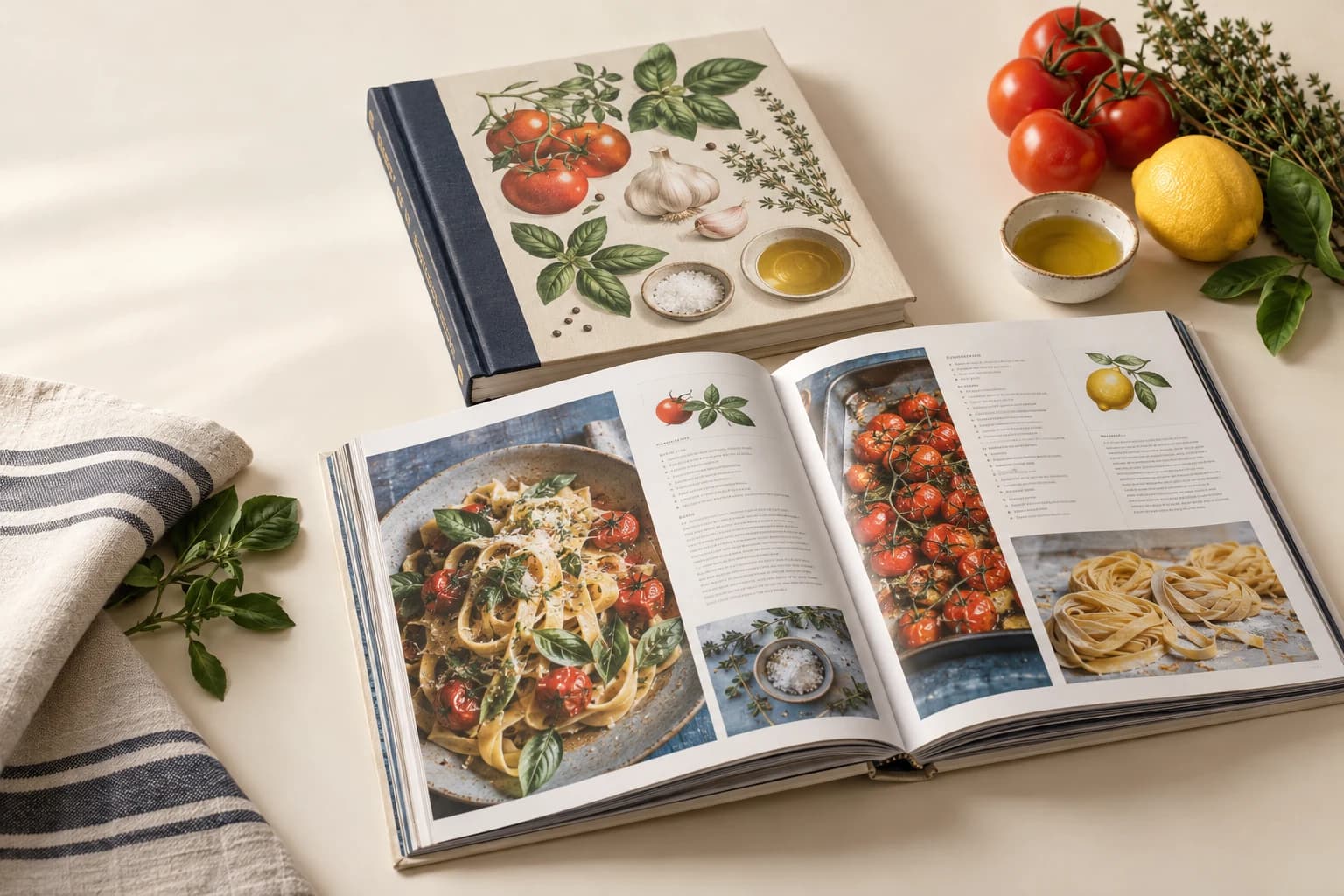
Illustrative product configuration
Cookbook Printing
Cookbooks need readable recipes beside food photography, a cover suited to kitchen handling and an opening that stays useful while cooking.
Illustrative product configuration
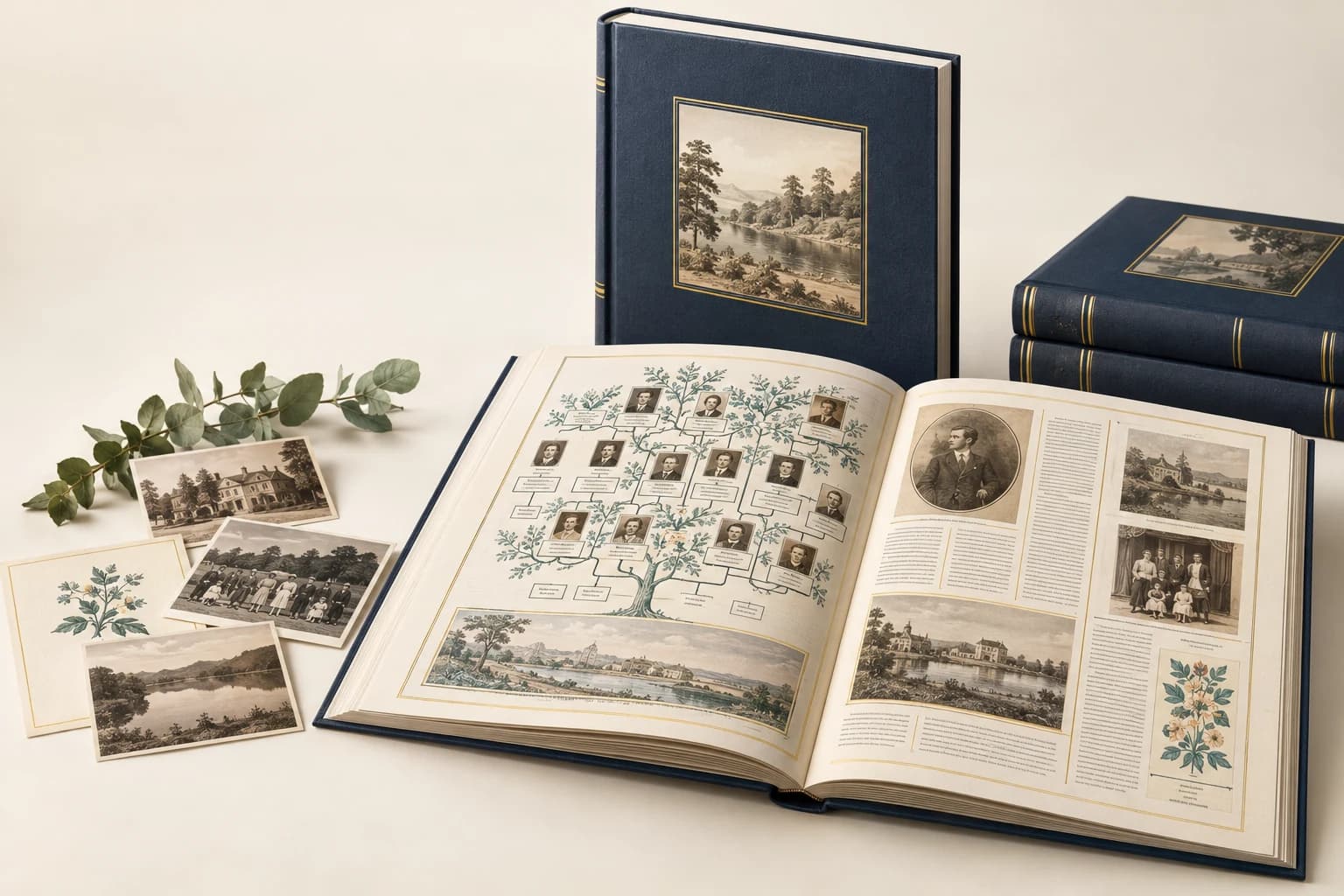
Family History Book Printing
Family histories combine scanned photographs, narratives and genealogical diagrams.
Illustrative product configuration
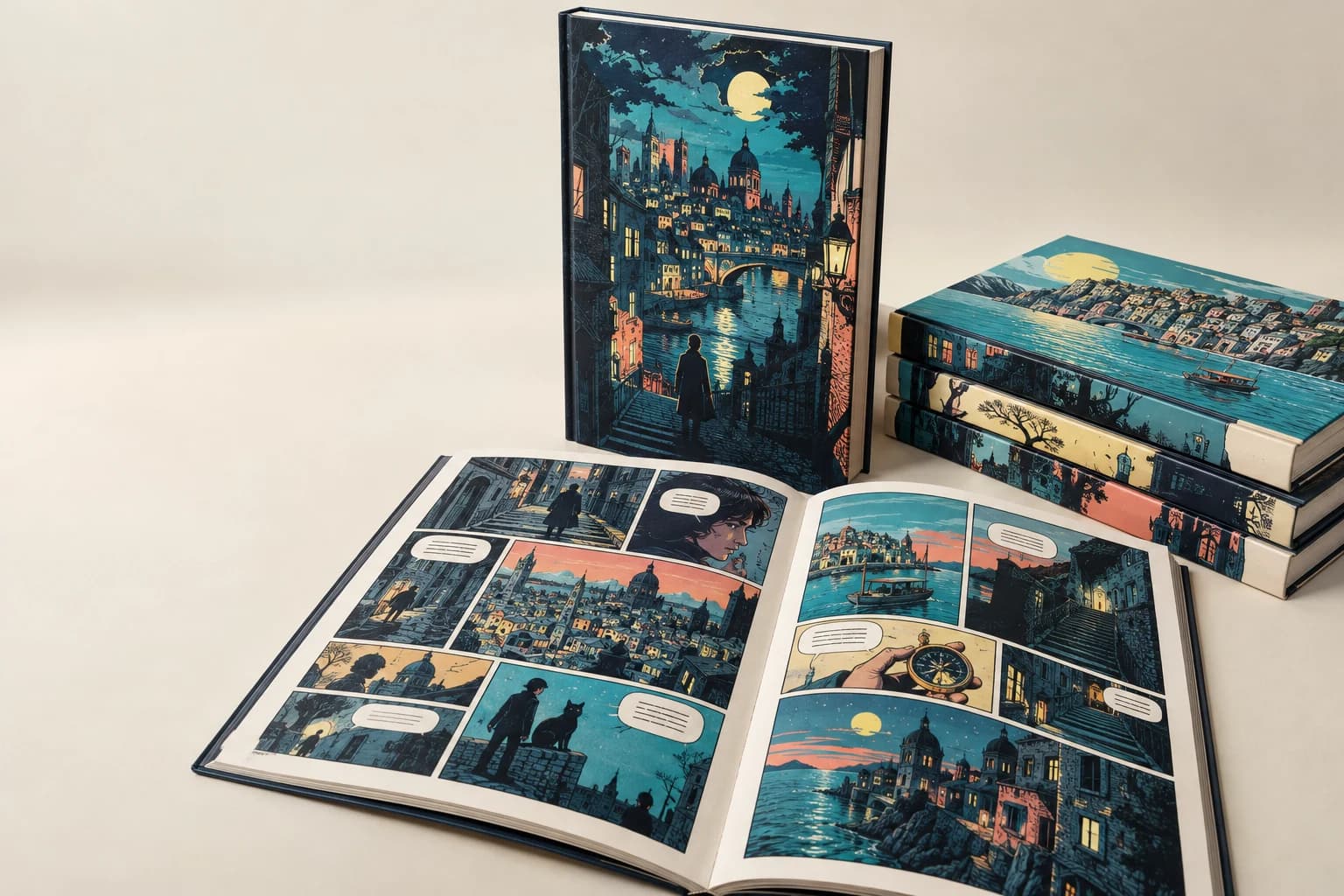
Graphic Novel Printing
Graphic novels depend on panel rhythm, speech-bubble readability and transitions between facing pages.
Illustrative product configuration
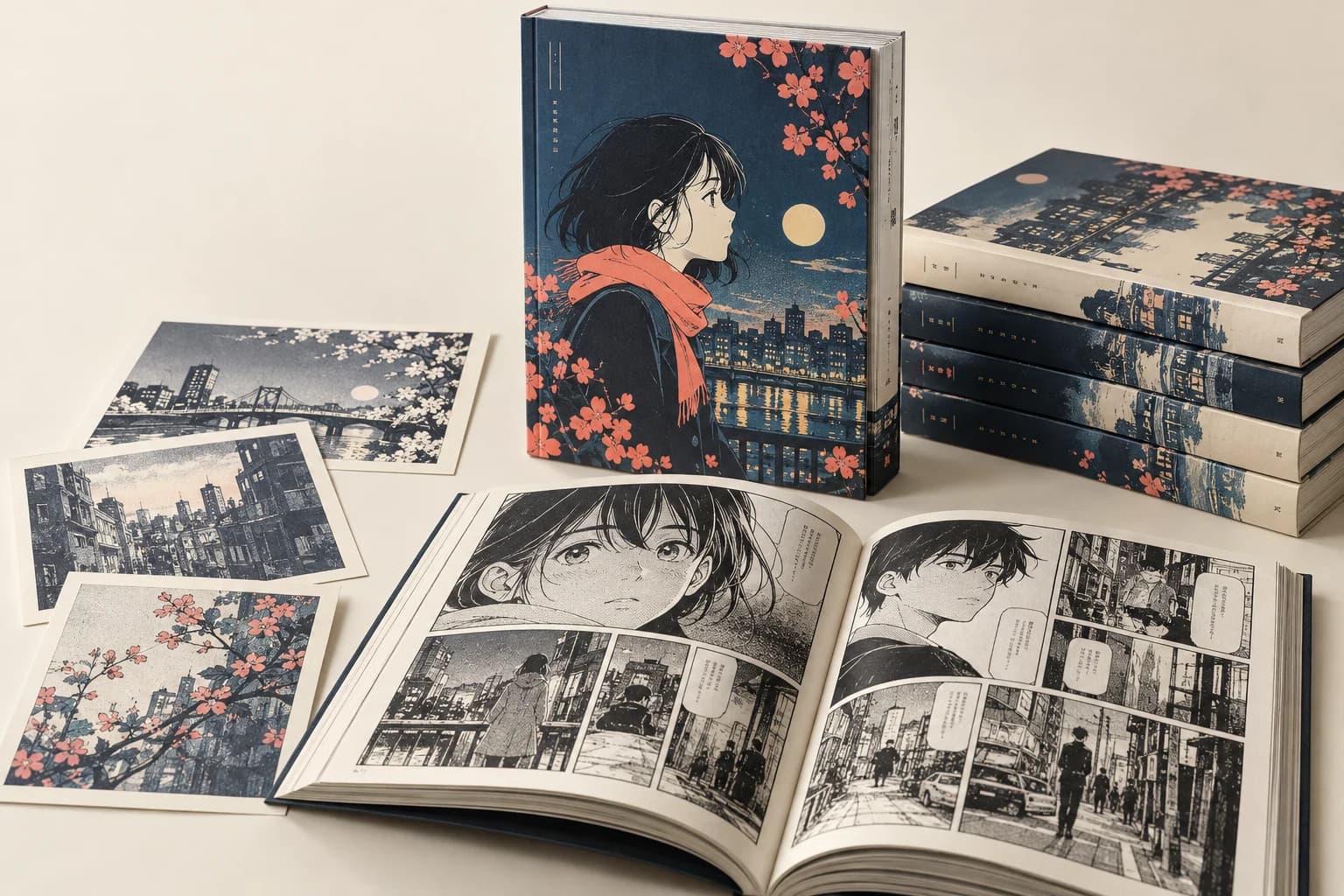
Manga Printing
Manga editions rely on crisp monochrome linework, controlled screentones and the intended reading direction.
Illustrative product configuration
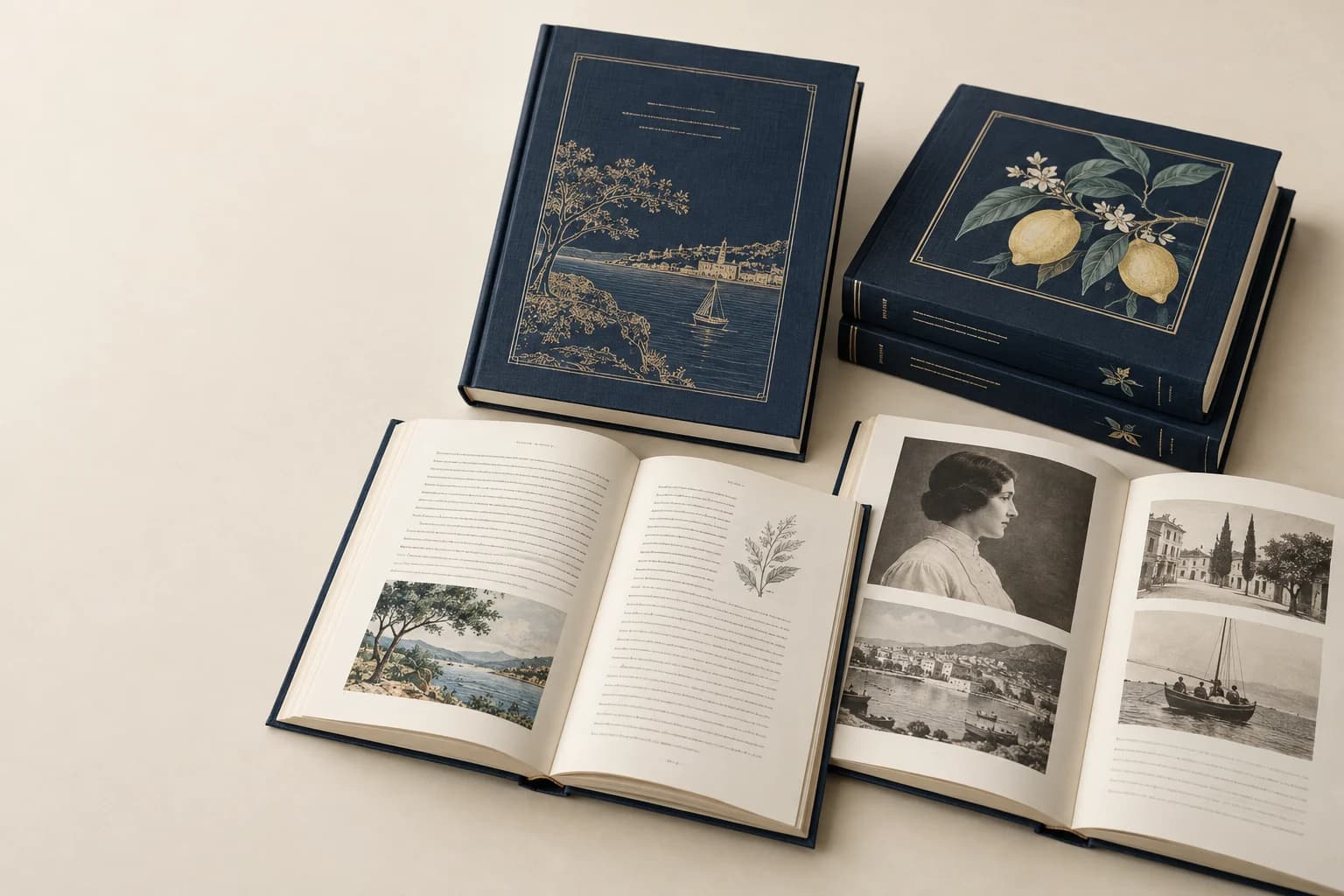
Memoir & Biography Book Printing
Memoirs and biographies need comfortable long-form reading with clear chapter starts and reliable image captions.
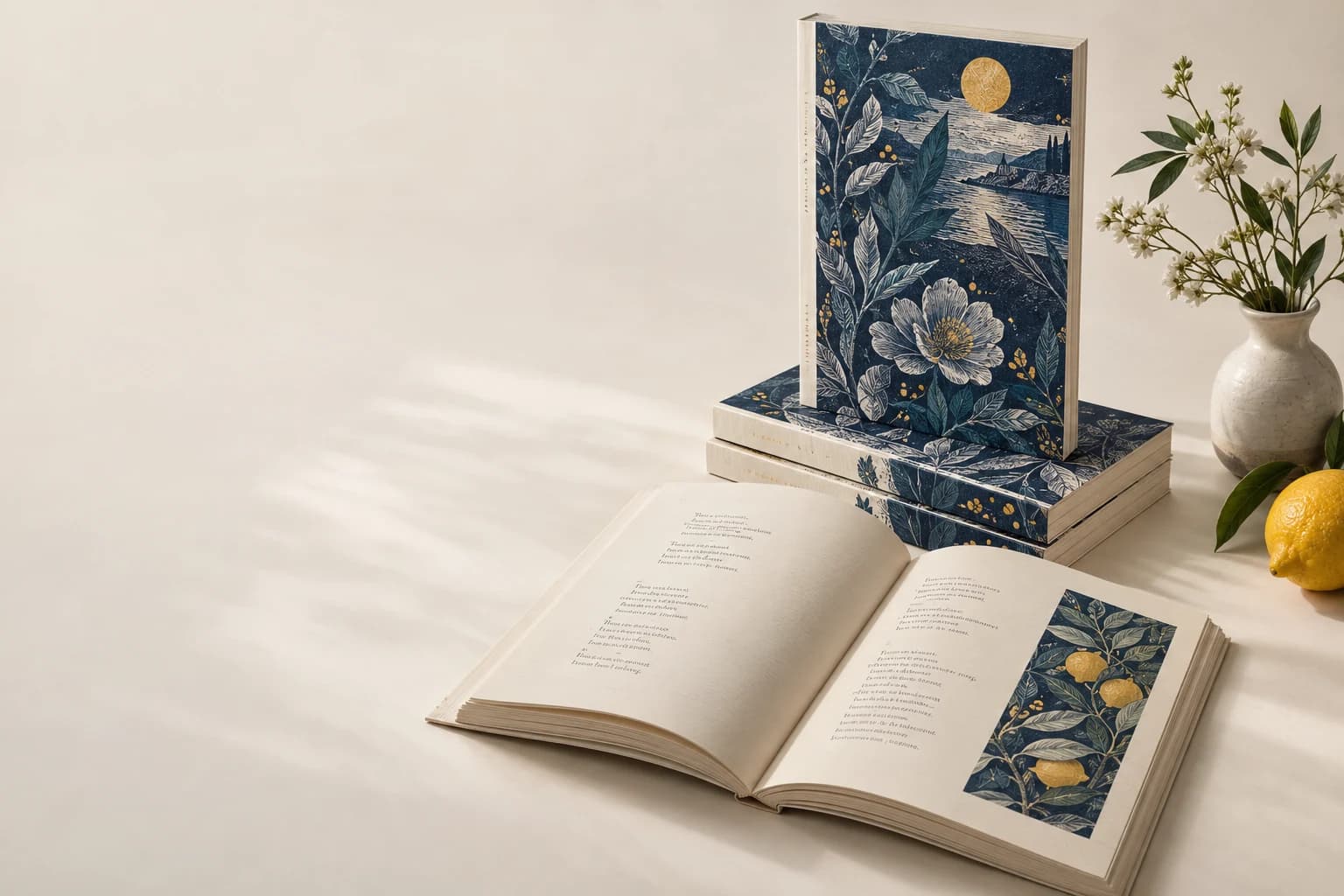
Illustrative product configuration
Poetry Book Printing
A poetry edition must preserve line breaks, stanza spacing and intentional blank pages.

Illustrative product configuration
Prayer Book Printing
Prayer books combine short readings with a format that can be carried and opened repeatedly.
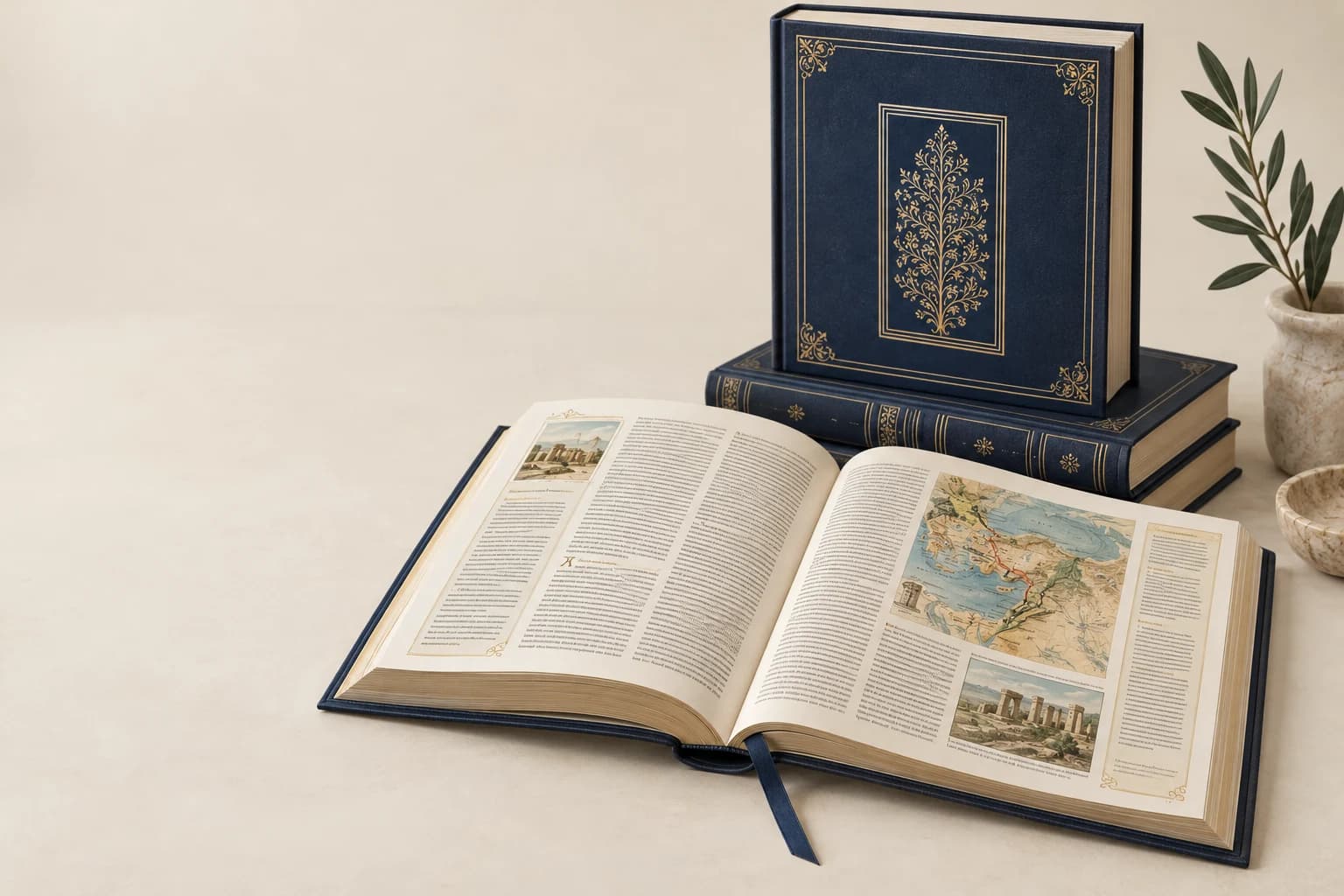
Illustrative product configuration
Religious Book Printing
Religious publications include teaching texts, commentaries and multilingual editions.
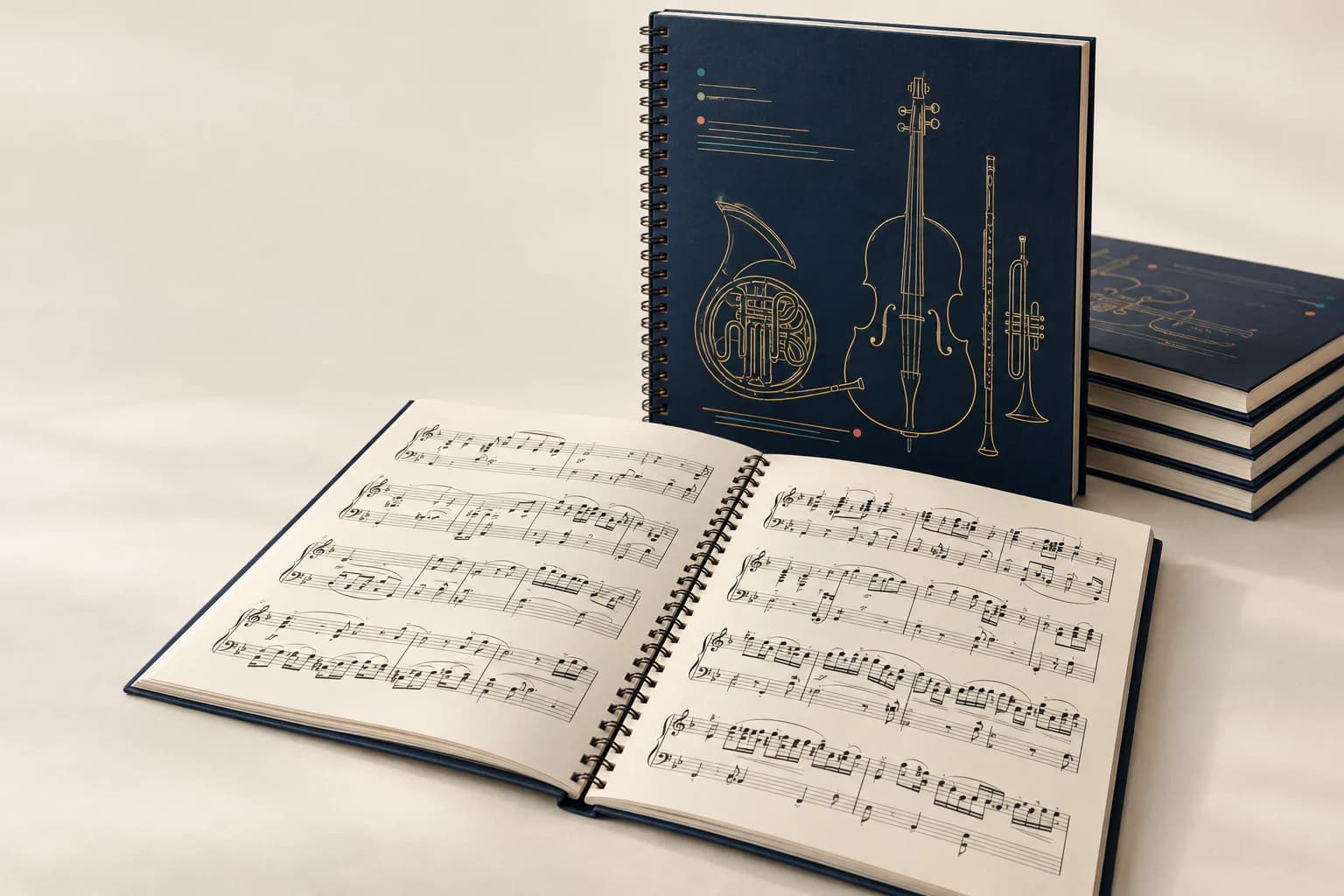
Illustrative product configuration
Music Score Printing
Printed scores must keep staves, note stems and page turns readable at performance distance.
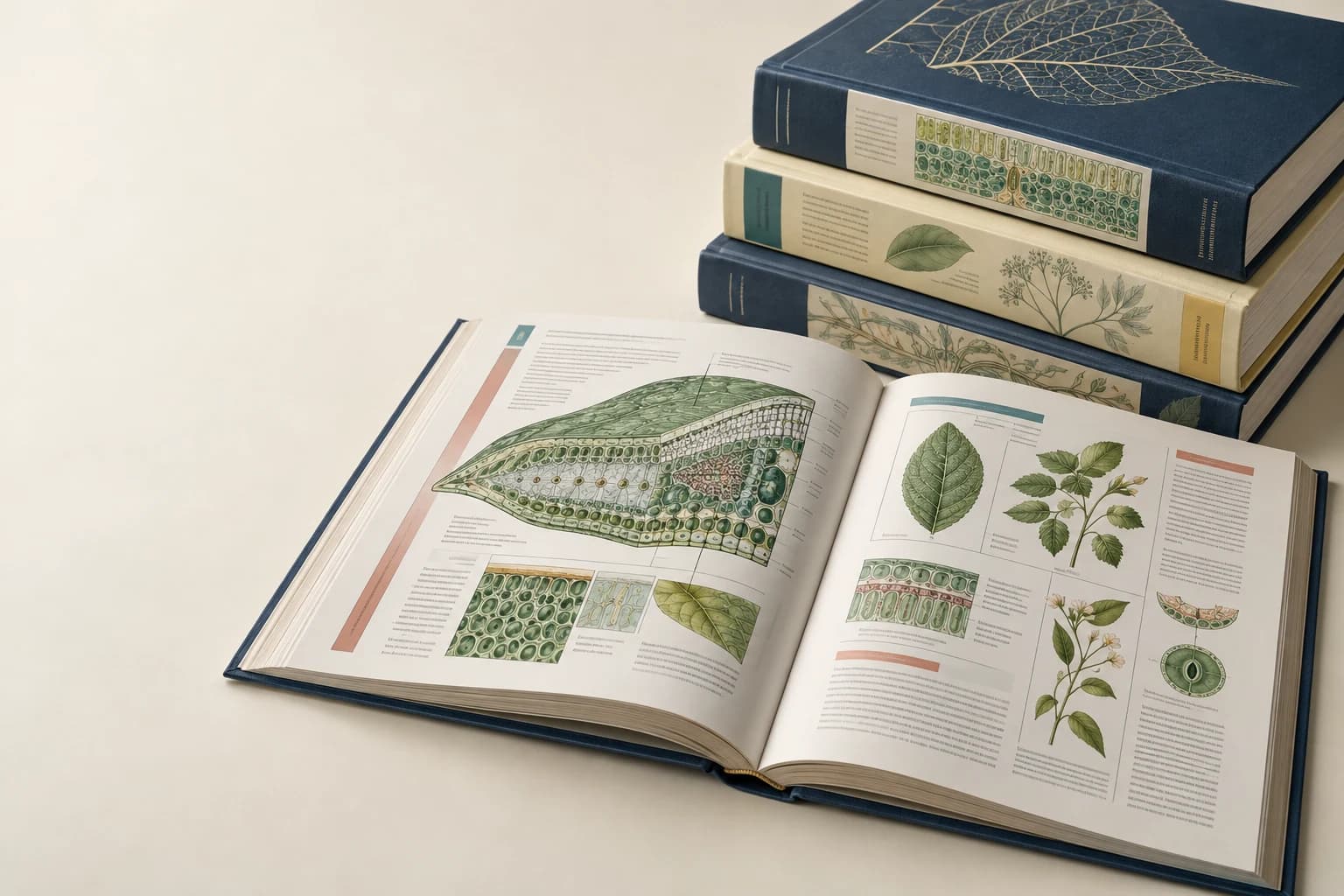
Illustrative product configuration
Textbook Printing
Textbooks combine sustained reading with diagrams, navigation and repeated classroom use.
Illustrative product configuration
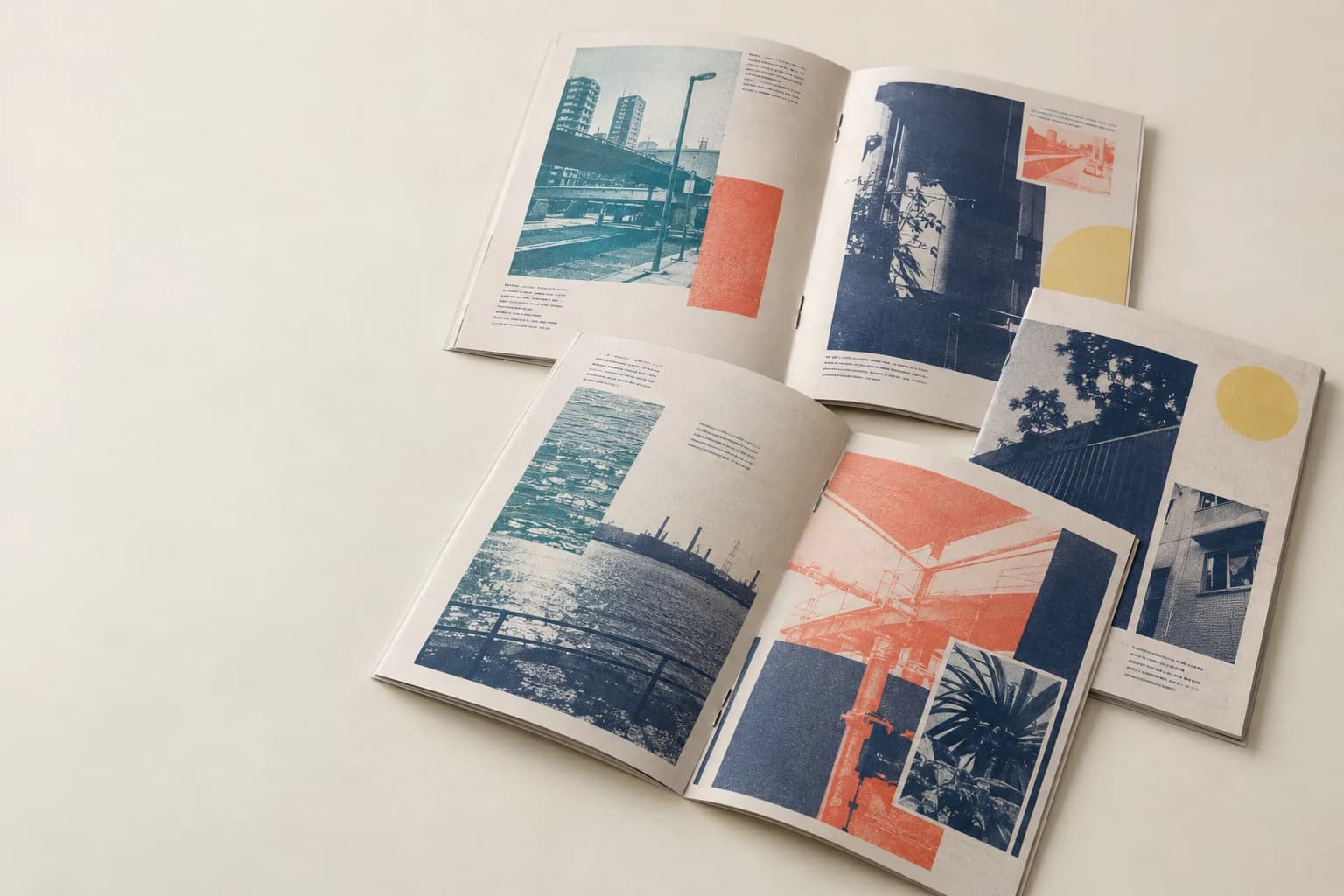
Zine Printing
Zines use short-form layouts, artwork and a compact binding to make an edition easy to distribute.
Illustrative product configuration
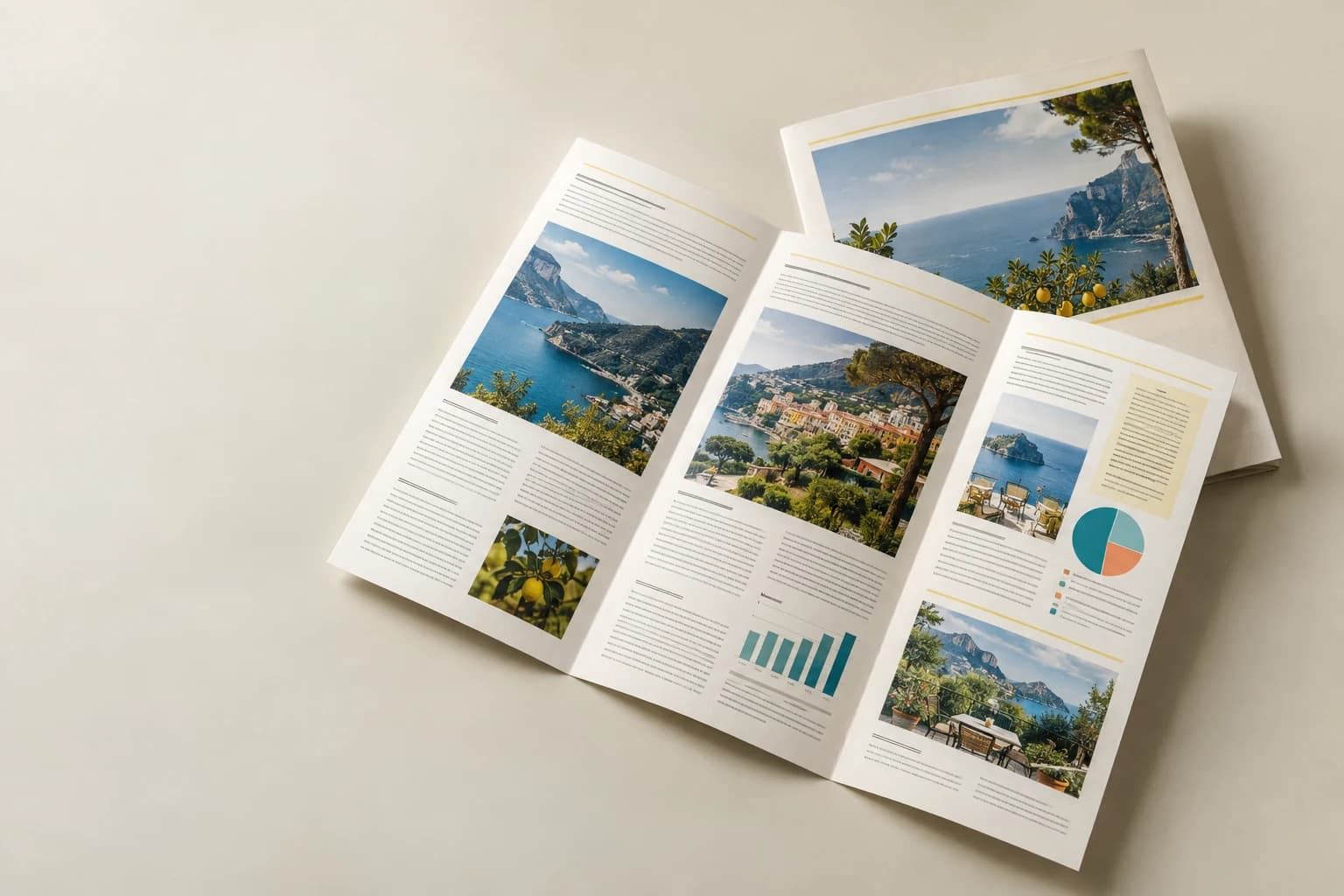
Newsletter Printing
Newsletters organize recurring updates into a publication that is easy to scan.
Illustrative product configuration
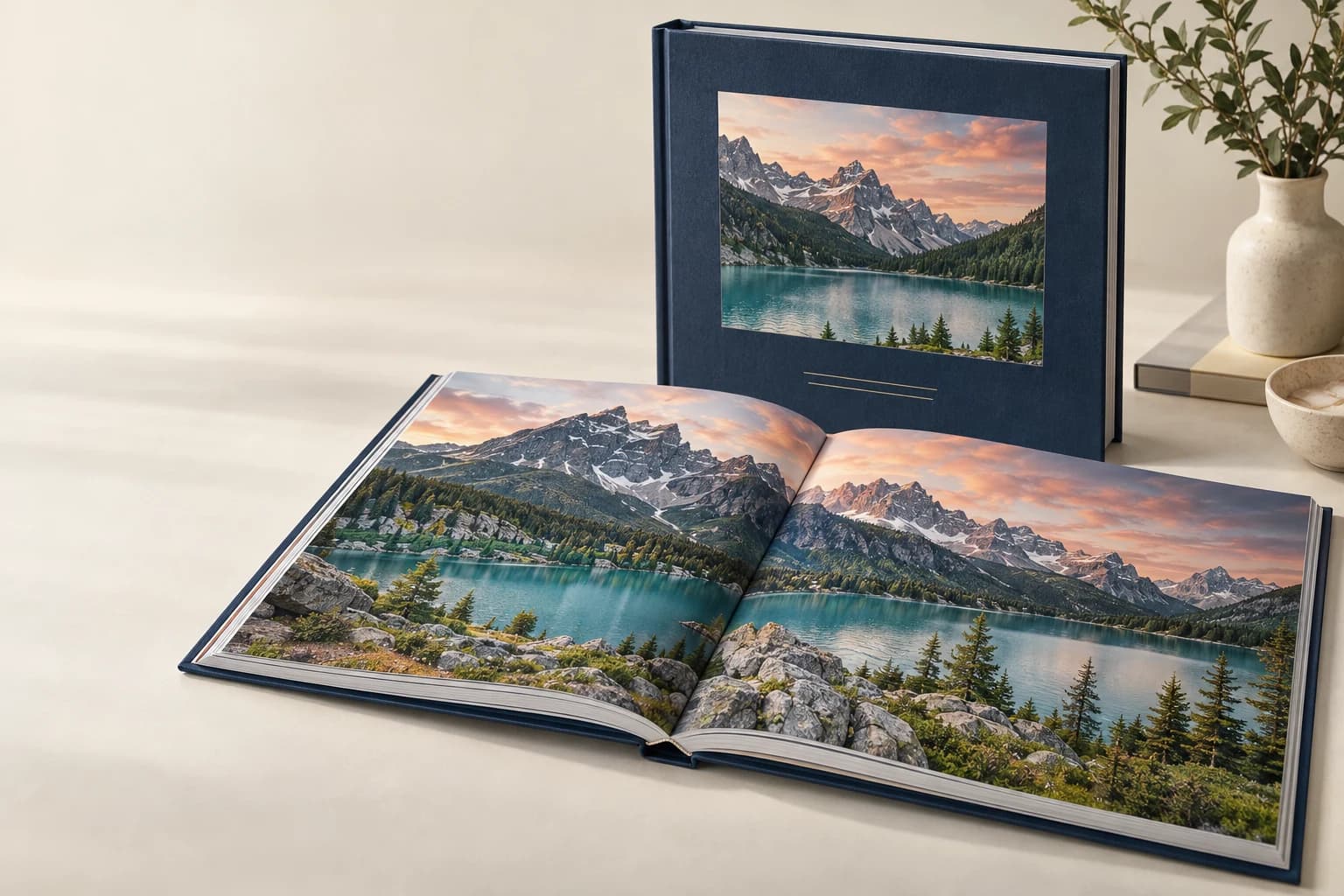
Large-Format Book Printing
Large books give artwork, maps and detailed photographs more room, but increase handling weight and the leverage on the binding.
Illustrative product configuration
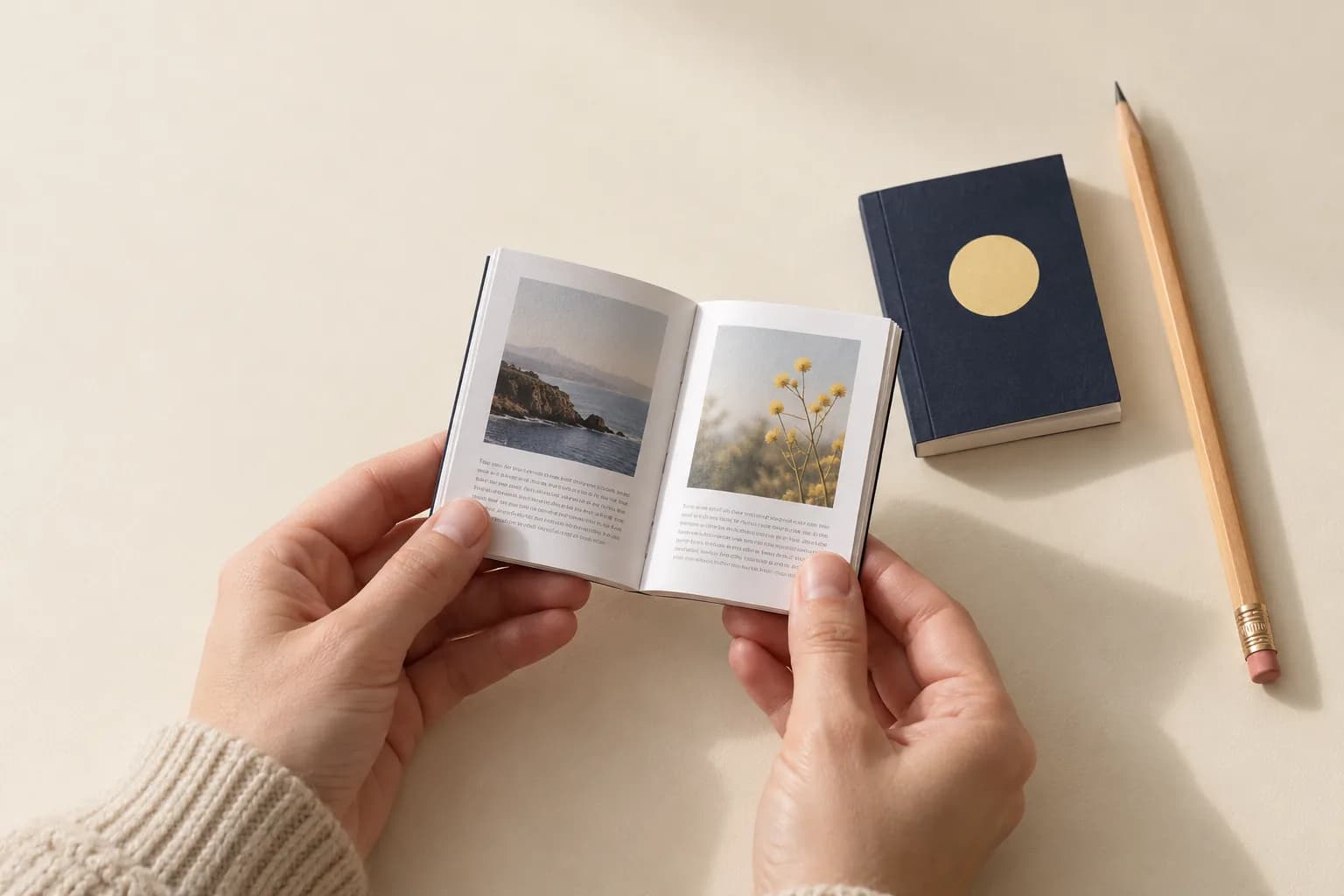
Mini Book Printing
Miniature books are small editions whose type, margins and opening must still work at the actual scale.
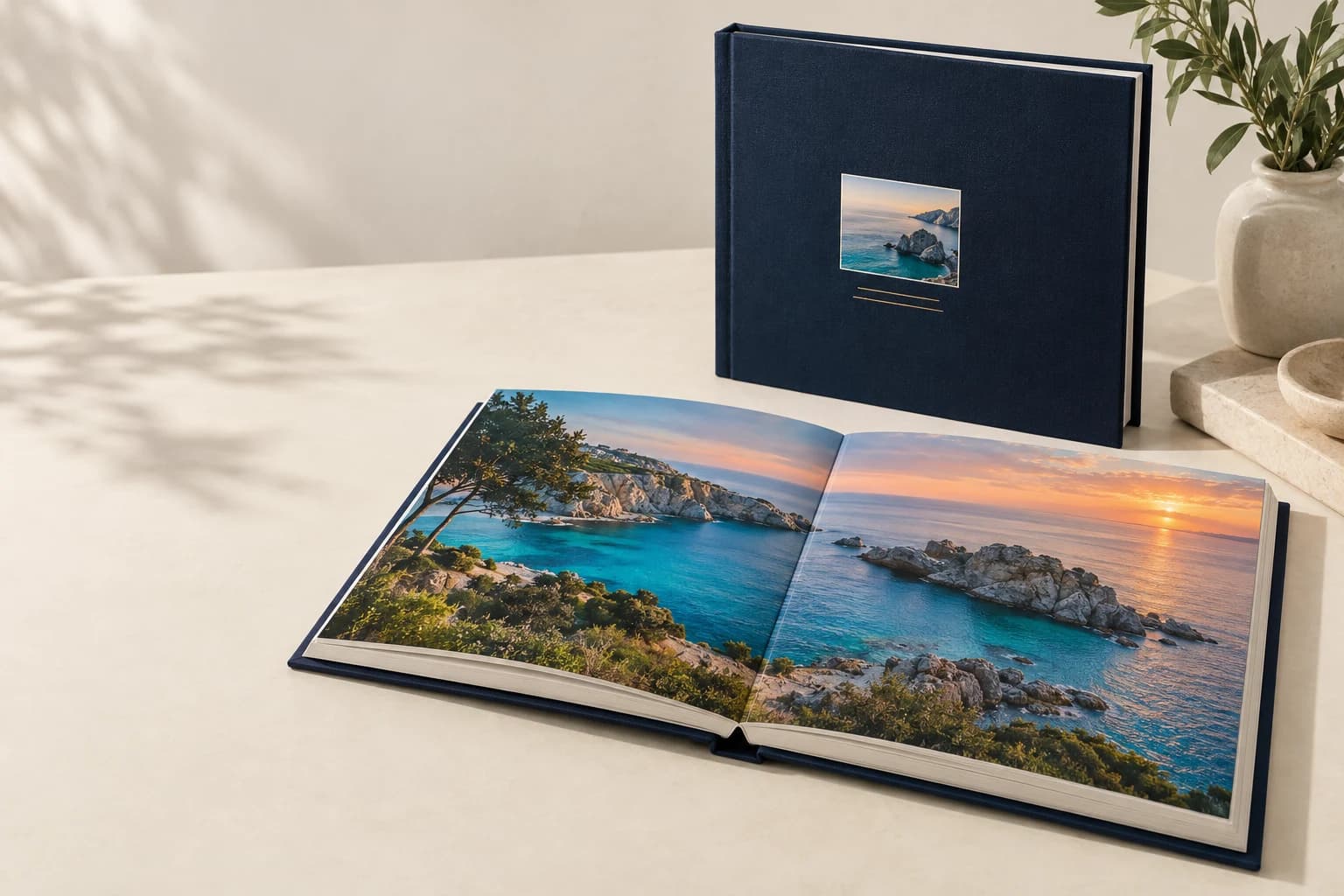
Illustrative product configuration
Lay-Flat Book Printing
A lay-flat project is specified by how its pages open, not by the cover name.
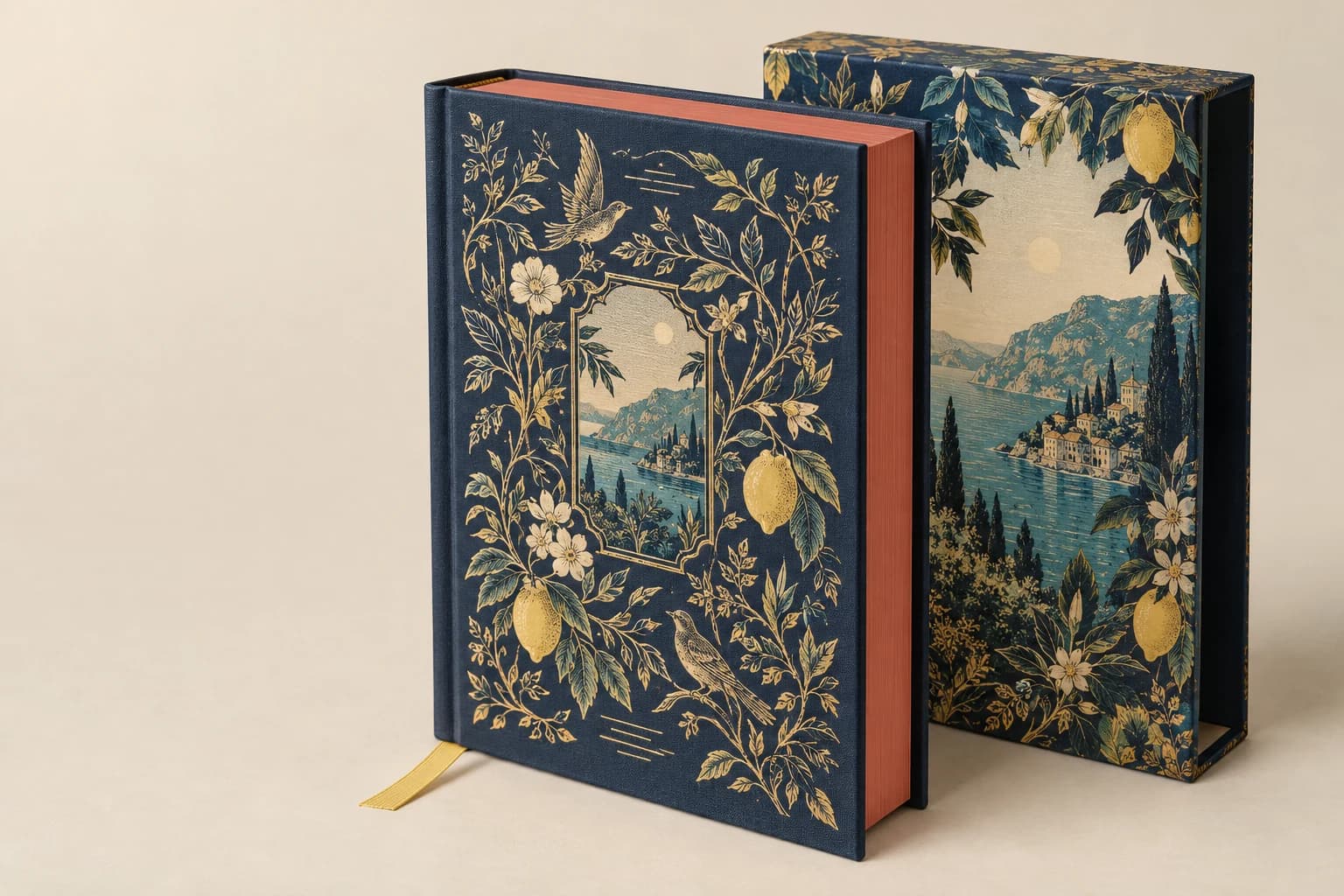
Illustrative product configuration
Special Edition Book Printing
Special editions combine a book with deliberately specified cover and edge treatments.
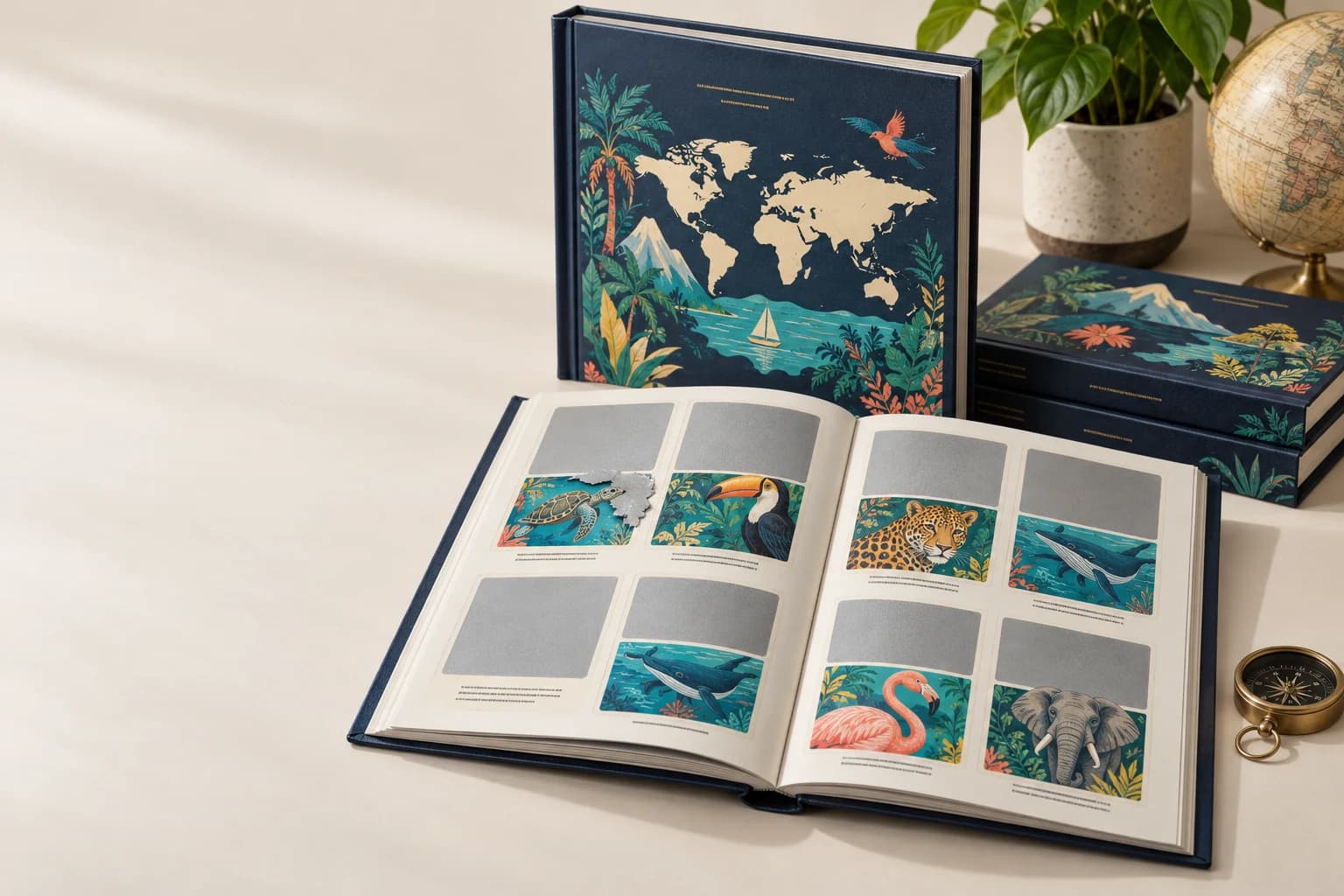
Illustrative product configuration
Scratch-Off Book Printing
Scratch-off books conceal answers, images or prompts beneath removable areas.
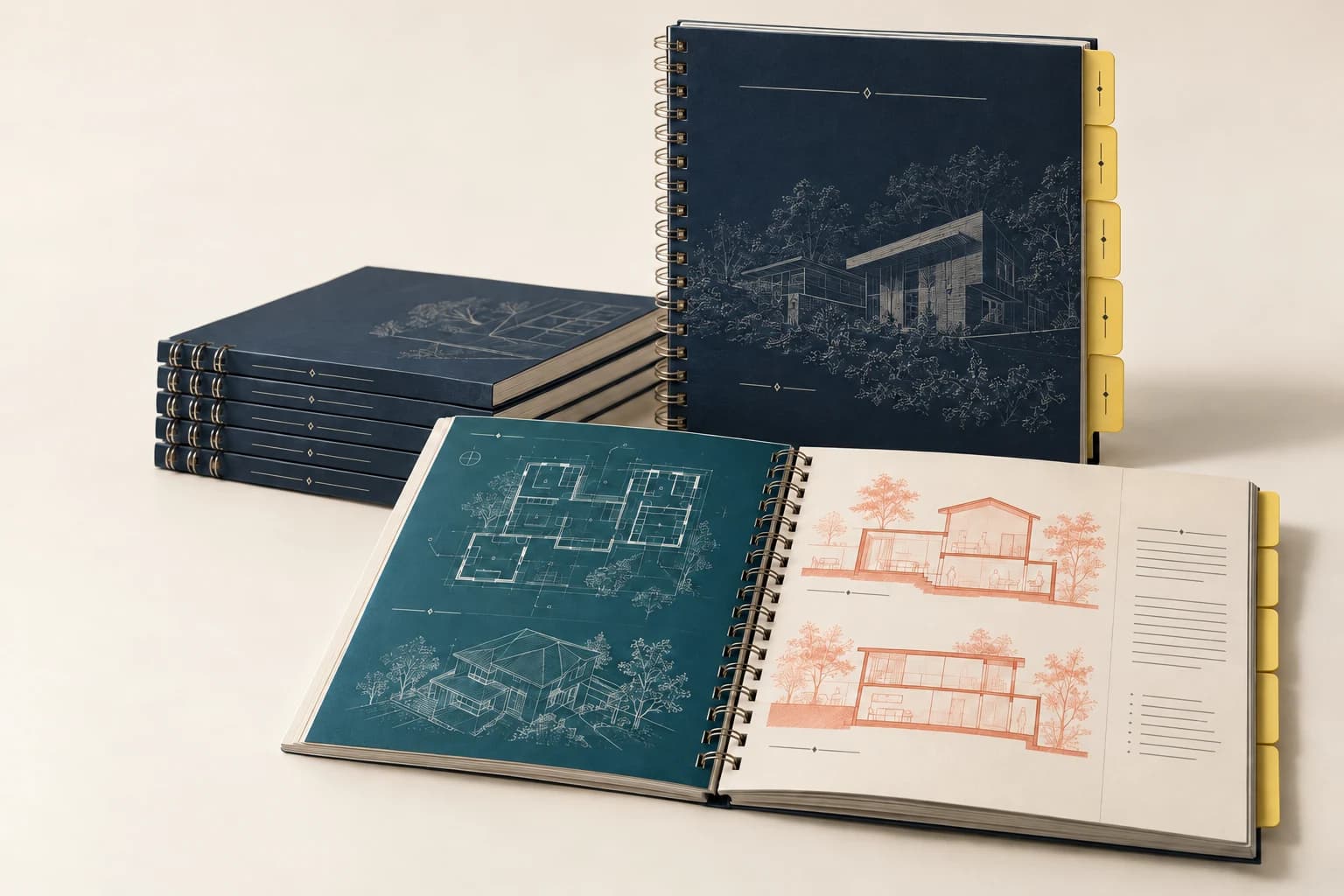
Illustrative product configuration
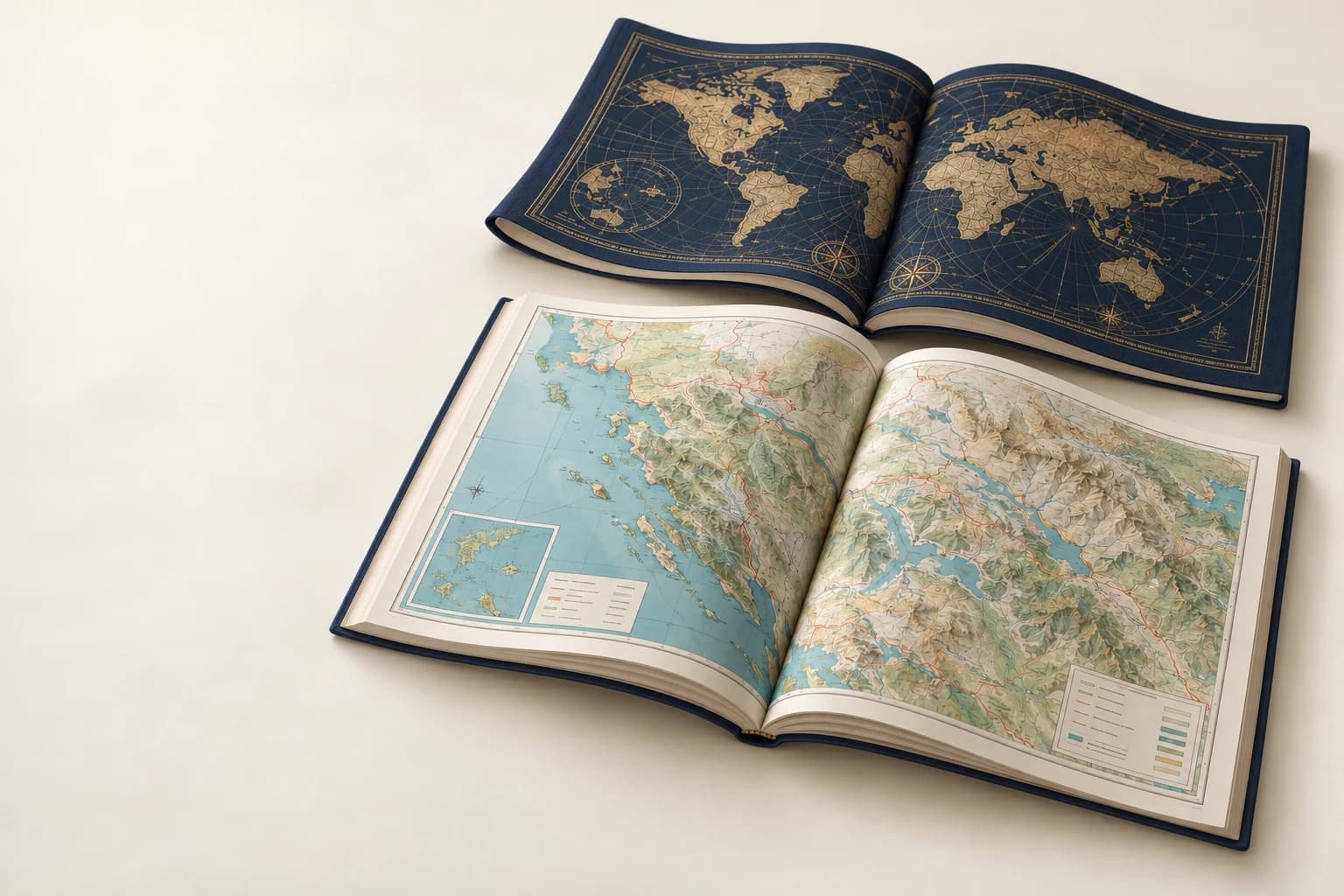
Wire-O Bound Book Printing
Twin-loop metal wire lets a punched page block open flat; loop size and inner margin depend on thickness and intended handling.
Illustrative product configuration
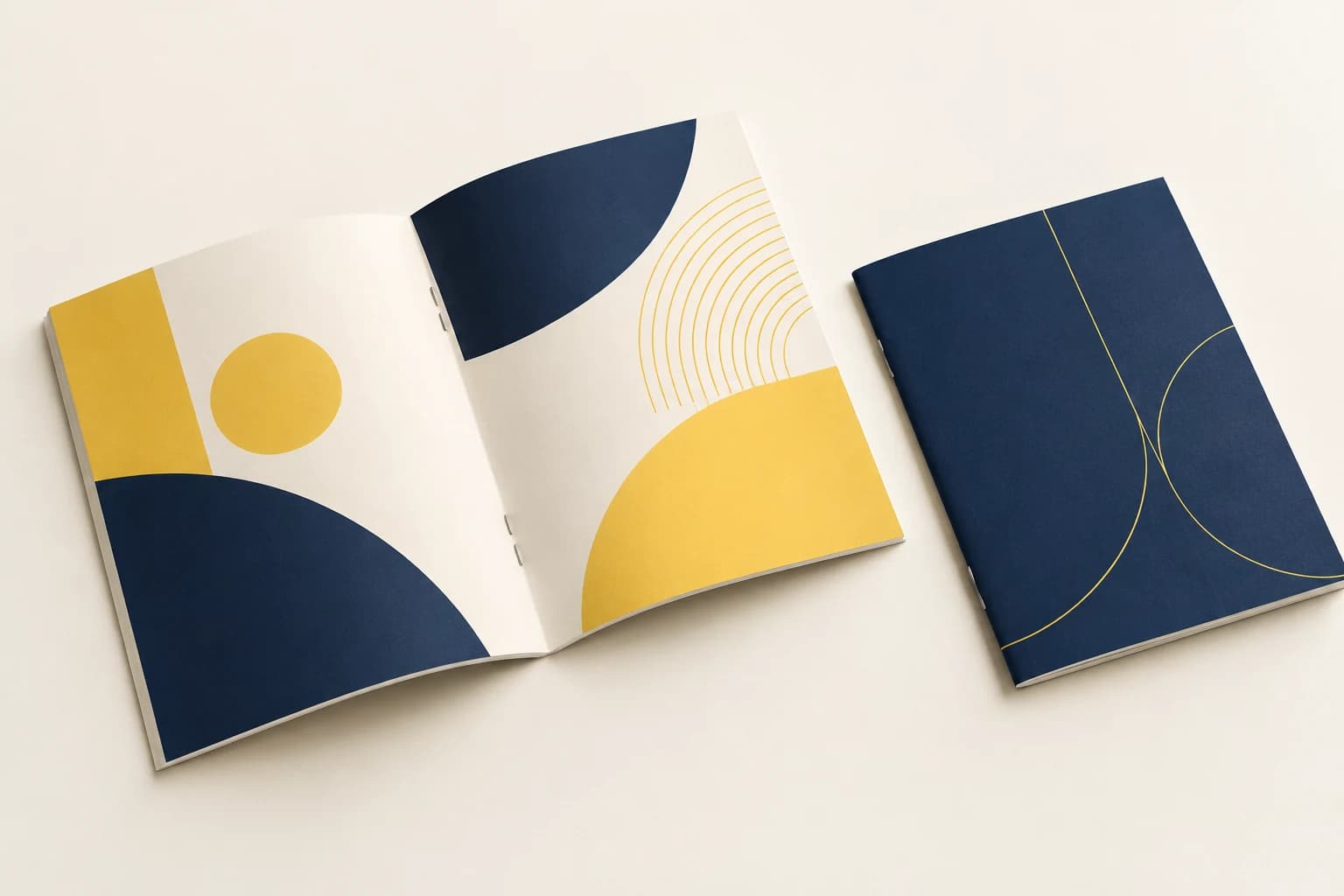
Flexibound Book Printing
Flexibound editions combine a flexible cover structure with a bound text block.
Illustrative product configuration
Saddle Stitch Book Printing
Folded sheets and center staples create a slim book. Compare cover counting, paper thickness, creep and the center-spread opening.
| Format | Suitable For | Selection Check |
|---|---|---|
| Hardcover and paperback | Publications with a shelf spine | Compare rigid versus flexible cover, page count and gutter access. |
| Spiral books and workbooks | Writing and hands-on reference | Compare bound edge, paper response and fold-back use. |
| Board, pop-up and sound books | Picture-led or interactive reading | Define spreads, moving parts or audio components before choosing materials. |
Applications
Choose by Use, Handling and Distribution
Publishing & trade editions
Match cover structure, paper opacity, binding and page count to the reading experience and shelf life of the edition.
Education & workbooks
Specify writable uncoated stock, lay-flat behavior, pagination and repeatable collation for classroom or training use.
Brand, catalog & annual reports
Use coated image pages, controlled color reproduction and a binding format that supports repeated reference.
Production capabilities
Choose Paper and Binding Around the Reading Task
Paper and board selection
Choose coated or uncoated text stock, cover board and mounted leaves around opacity, stiffness and page count.
Binding and opening behavior
Compare perfect binding, sewn or casebound construction, saddle stitch and spiral or coil formats before quoting.
Cover finishing
Plan matte or gloss film, soft-touch lamination, spot UV, foil stamping and embossing on the approved cover artwork.
From Format Selection to a Quoted Order
Describe the job
Describe the intended use and preferred format, finished dimensions and number of books per title, language and format. Include versions, destination and required arrival date. If the format is undecided, explain how the finished item will be used.
Choose a format and specification
Compare the formats above and open the matching product page for its material, construction and file requirements. Confirm which options belong in the quotation.
Review price and sample scope
Ask for quantity breaks and confirm sample scope, packing, freight and payment terms. Free sample preparation is completed within 15 days; courier arrangements and transit time are separate.
Approve files and samples
Confirm the chosen configuration, release revision and any sample decisions. Agree the order conditions required to schedule production.
Arrange delivery
Confirm packing by version and the delivery destination. List sample, production and transit dates separately against the required arrival date.
Category planning
Get Help Specifying Your Book Project
Describe the intended use and preferred format, finished dimensions and number of books per title, language and format. Include versions, destination and required arrival date. If the format is undecided, explain how the finished item will be used.