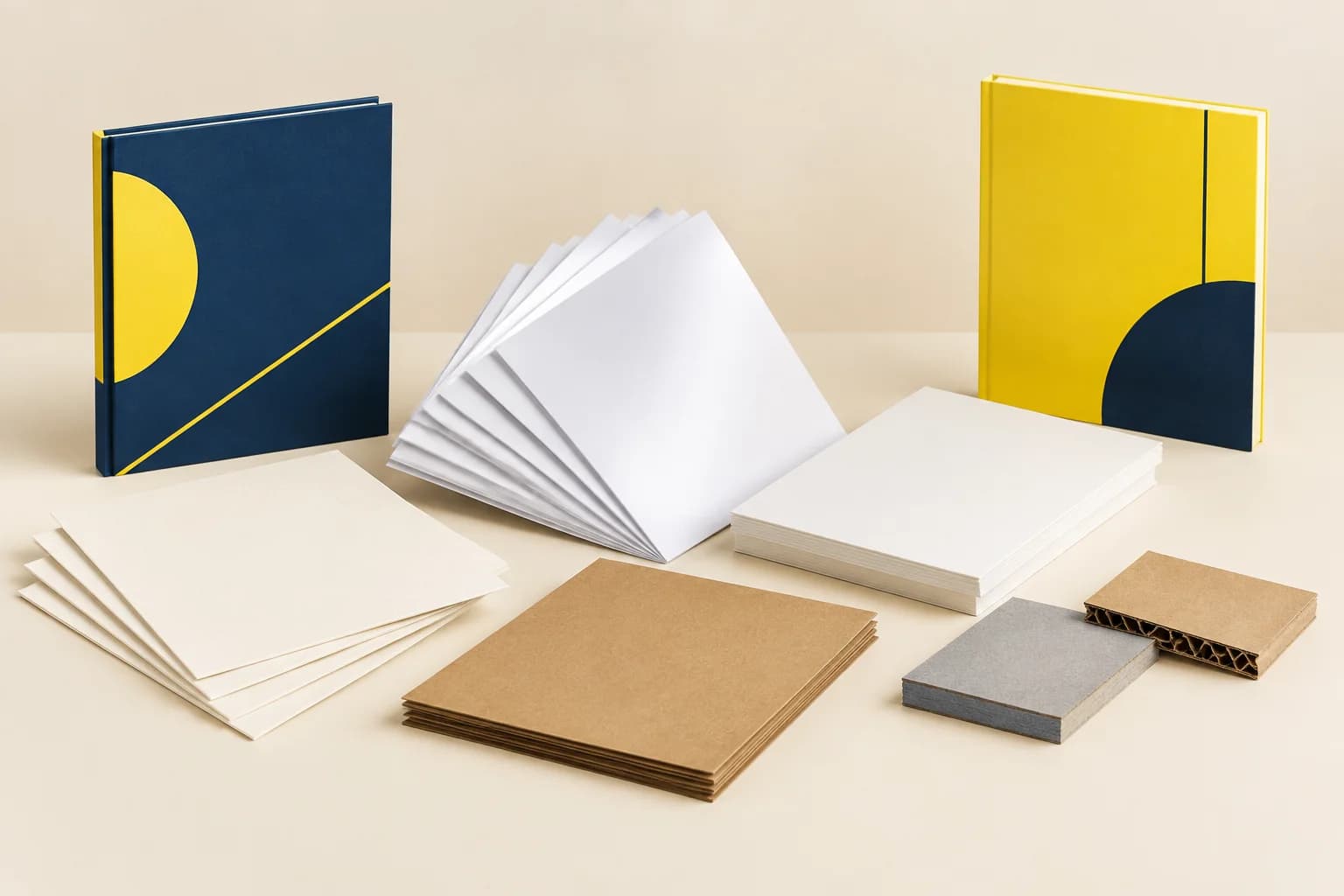
Use determines the specification
Different projects need different print decisions.
A publisher compares image reproduction and opening. A training team needs writing space and usable binding. A retail launch needs fit and consistent appearance across pieces. Connect each use to a material, construction and approval check.
Six application groups
Find the decisions behind your print project.
The product alone does not define the specification. Start with how it will be read, handled, packed or distributed, then select the construction and the sample check that will confirm it.

Publishing & content teams
Common formats: Trade books, illustrated editions, magazines, catalogs and lookbooks.
- Choose by
- Choose the binding around page count and opening behavior. Compare coated and uncoated interiors by image detail, reading glare, opacity and finished spine width.
- Check before approval
- Approve page order, representative image spreads, gutter access and the cover on the chosen stock. Keep the approved revision for a reprint.
Explore related products

Brands & marketing teams
Common formats: Brochures, launch inserts, printed boxes, paper bags, cards and labels.
- Choose by
- The same artwork can change appearance across coated paper, white card and label stock. Specify which color is critical and whether foil, UV or lamination belongs on each piece.
- Check before approval
- Compare the set on its actual materials. Check carton fit, folded edges, label placement and rubbing where pieces touch in transit.
Explore related products
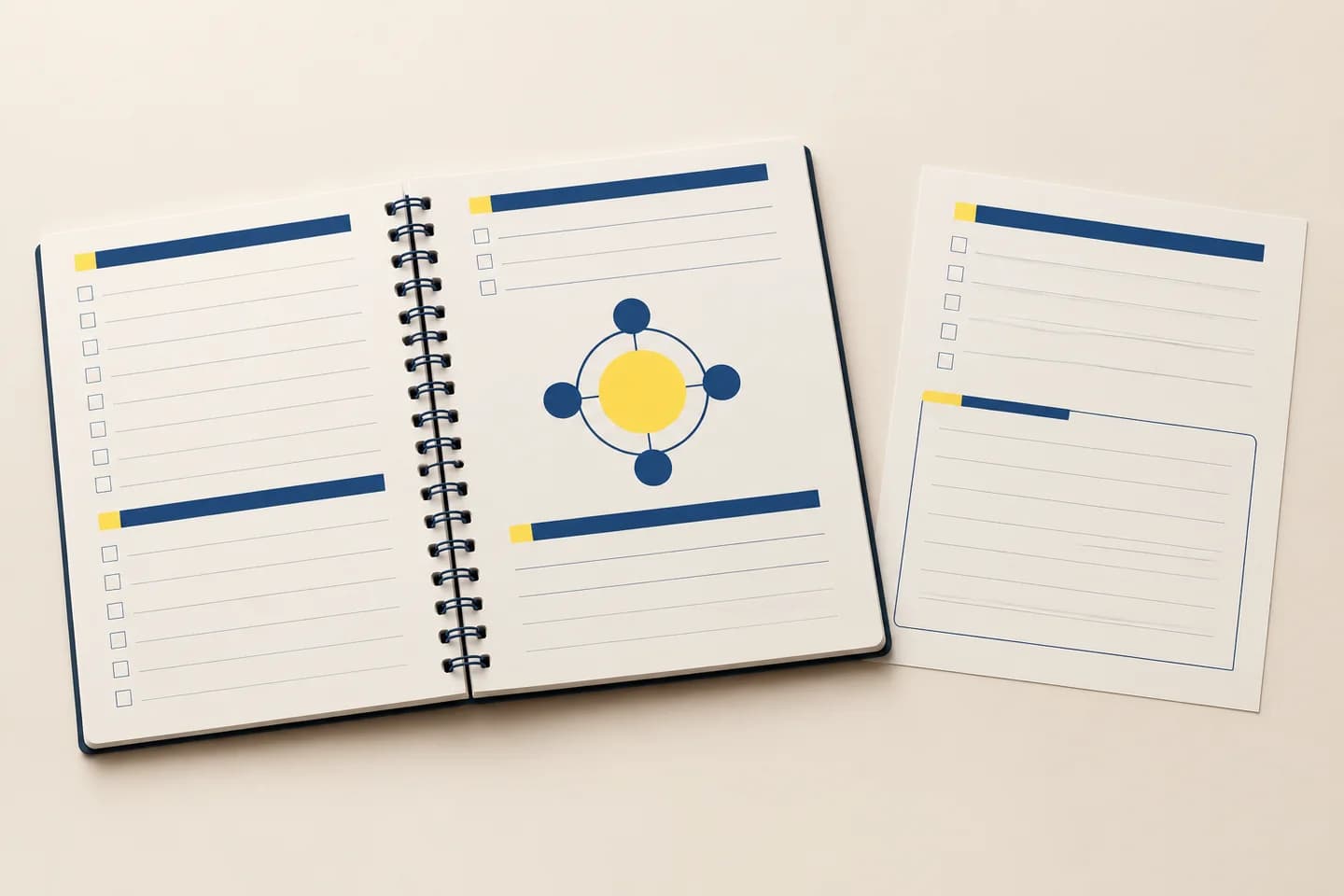
Education, training & HR
Common formats: Workbooks, training manuals, course books, flash cards and planners.
- Choose by
- Select an interior that accepts the intended pen or pencil. Compare sewn, perfect, spiral and Wire-O binding by desk use, fold-back needs and the space lost near the bound edge.
- Check before approval
- Write on a sample page and test the opening at the densest spread. Confirm answer-box clearance, page sequence and version counts for each course.
Explore related products
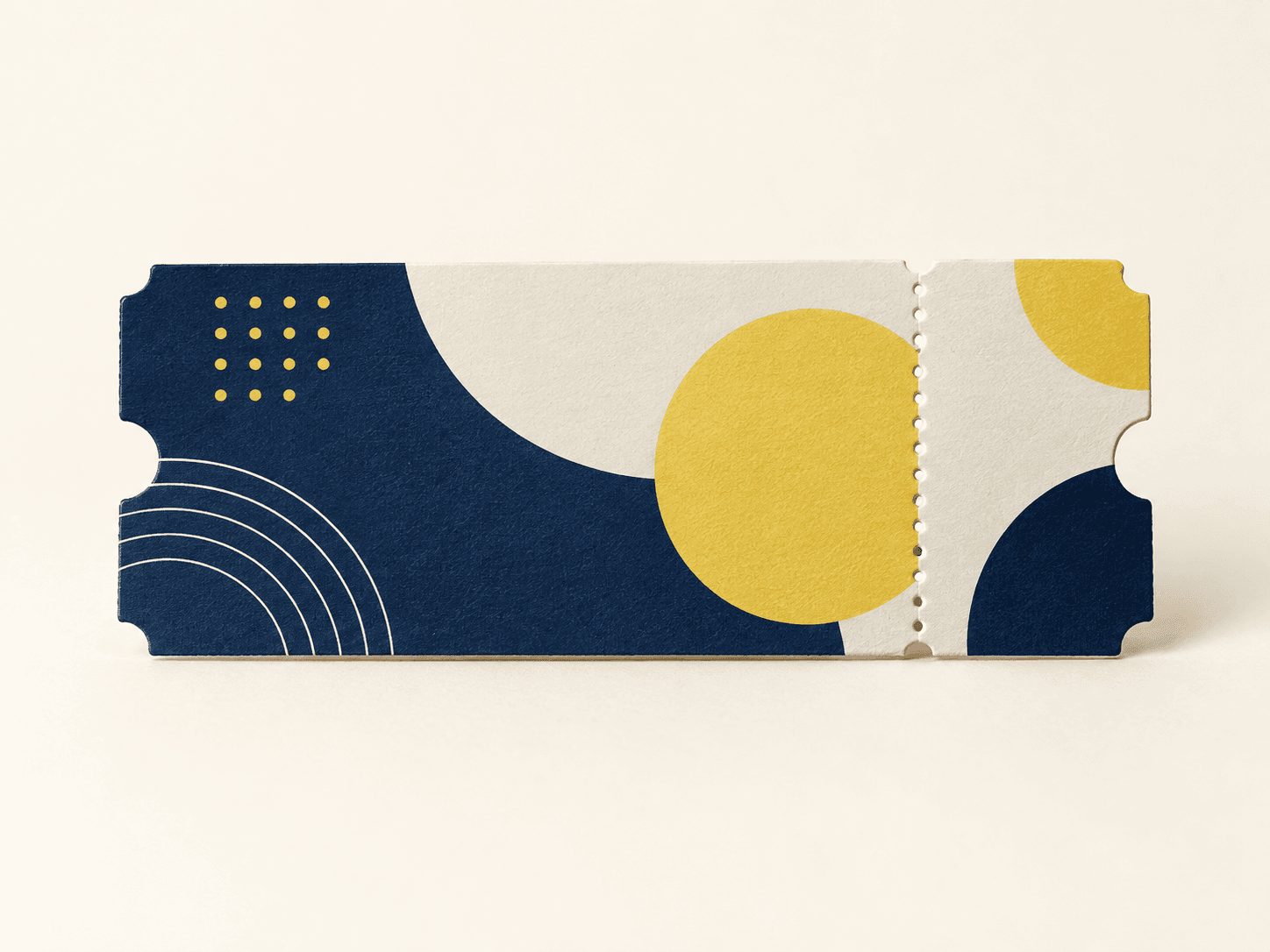
Events, venues & ticketing
Common formats: Admission tickets, raffle books, vouchers, coupons and parking passes.
- Choose by
- Map the actual gate or redemption workflow before placing perforations, serial numbers, barcodes and tear-off stubs. Count each numbered version separately.
- Check before approval
- Tear a finished sample, scan codes with the intended reader and verify the numbering sequence. Plan backward from the event date through approval, production and freight.
Explore related products
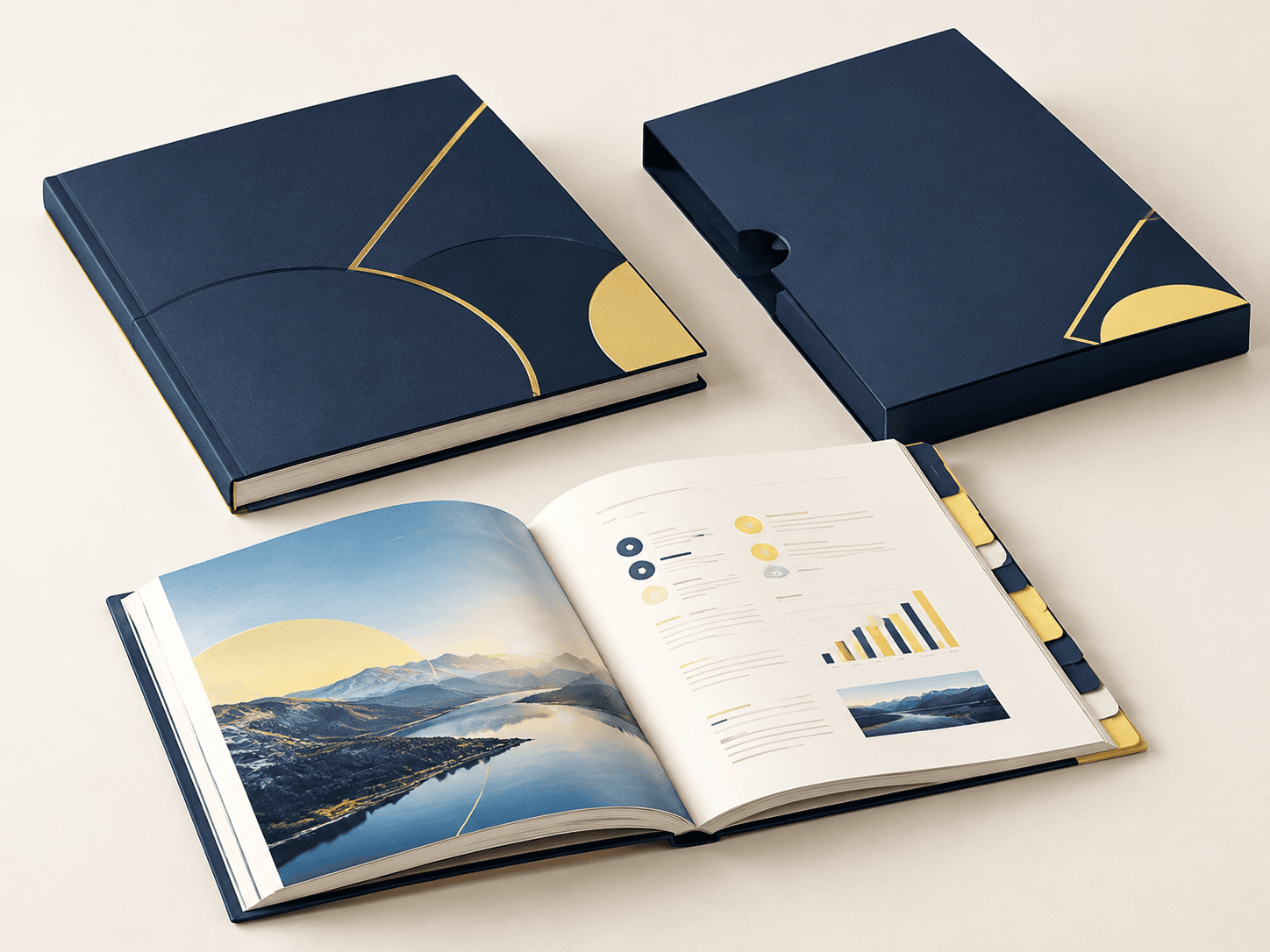
NGOs & community programs
Common formats: Annual reports, program booklets, membership cards and calendars.
- Choose by
- Separate language editions and distribution versions in the brief. Compare page count, paper and binding within one specification so budget choices have a clear basis.
- Check before approval
- Approve names, figures and page order by version; reconcile packed quantities and carton labels with each delivery destination.
Explore related products

Retail & subscription businesses
Common formats: Product cartons, paper bags, thank-you cards, inserts and labels.
- Choose by
- Start with the product dimensions, contents per set and packing sequence. Specify handles, closures, label surface and any finish that will contact another component.
- Check before approval
- Assemble and remove a complete sample set. Check fit, corner protection, surface scuffing and component counts before approving repeat-order specifications.
Explore related products
Turn the brief into choices you can test.
These are illustrative planning examples, not completed customer orders. Dimensions and quantities describe hypothetical briefs; they are not minimum quantities or factory limits.
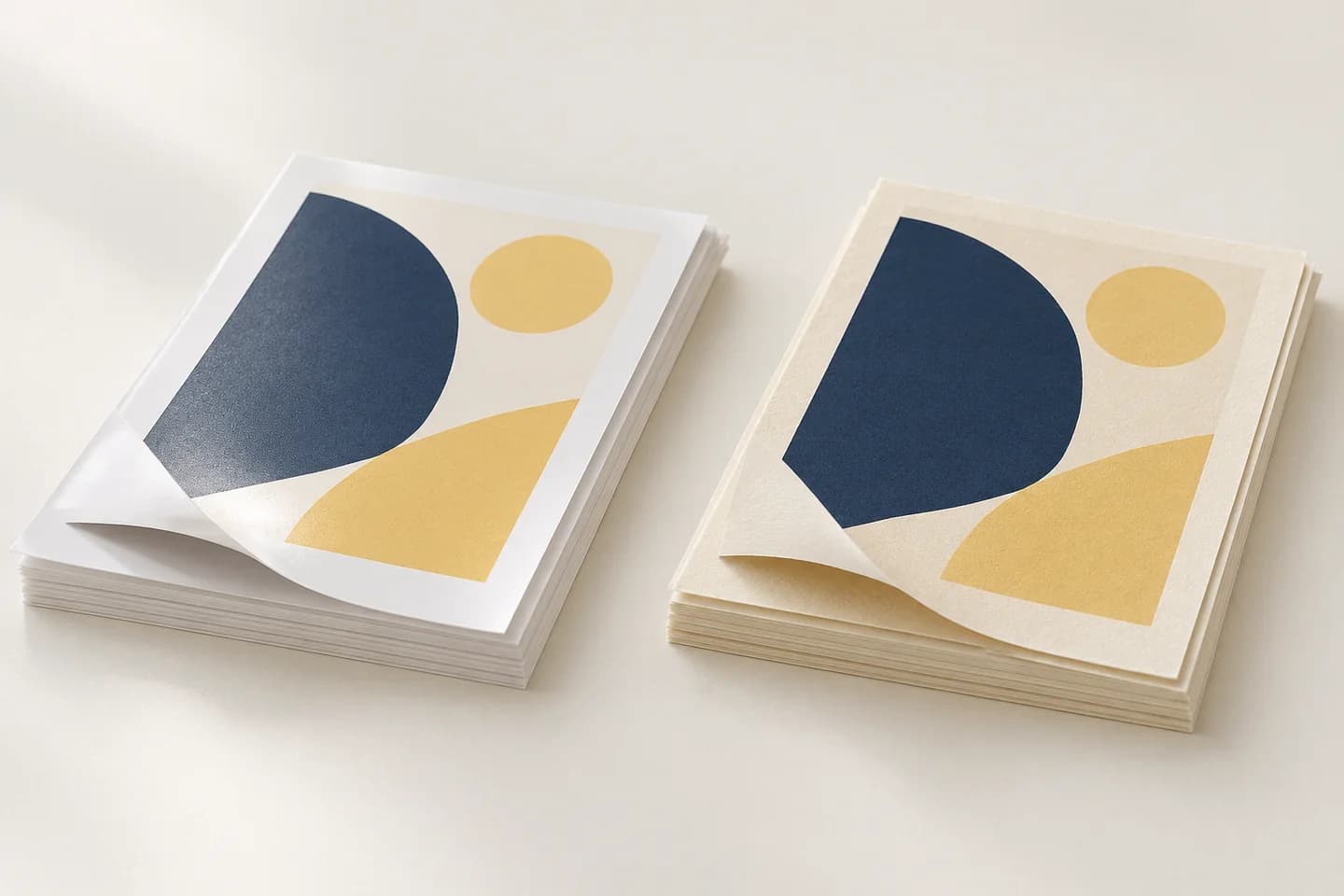
Publishing · planning example
An image-led publisher edition
Illustrative brief: 1,200 copies, 210 × 280 mm trim, 160 interior pages and a printed hardcover.
Compare coated 115 and 150 g/m² interiors; evaluate sewn sections for repeated handling. Use a separate case template based on the final book-block thickness.
Risk to resolve
A full-spread photograph can lose detail in the gutter. Check representative spreads in a bound sample rather than approving only flat pages.
Sample check: Page order, opening behavior, finished color and case alignment.
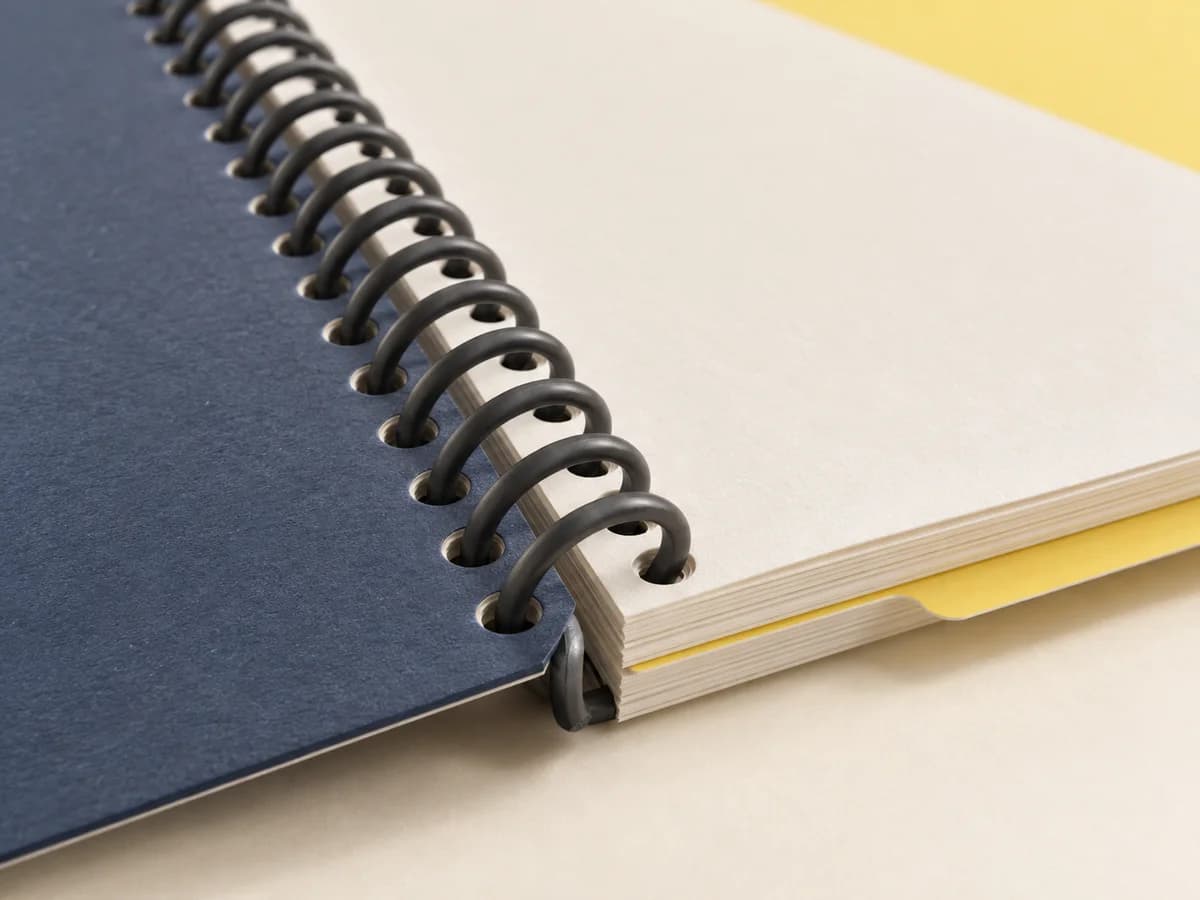
Education & training · planning example
A workbook used at a desk
Illustrative brief: 800 manuals, 148 × 210 mm pages, 96 pages and repeated writing exercises.
Compare uncoated paper for pen use and spiral or Wire-O construction for open-at-a-desk handling. Keep writing fields outside the punching area.
Risk to resolve
A form can look centered in the PDF and still be difficult to write on near the holes. Test the actual page layout in a punched and bound dummy.
Sample check: Writing behavior, hole clearance, page turning and completeness.
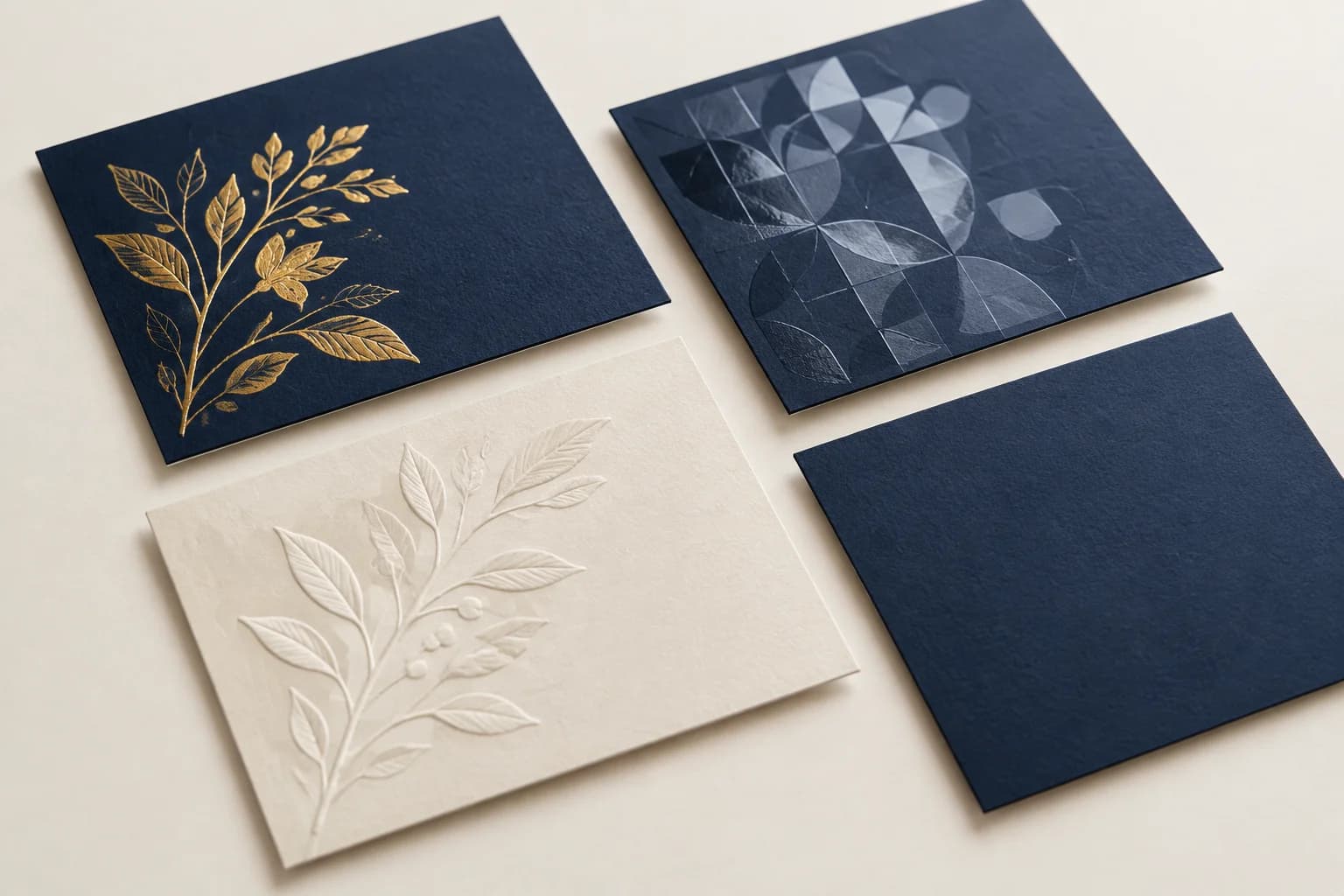
Brands & retail · planning example
A retail launch with coordinated pieces
Illustrative brief: 2,000 cartons, a 90 × 55 mm insert and a product label; quantities listed separately for each piece.
Choose white card for the carton and insert, then select the label face and adhesive for the actual container. Use one brand-color reference across the different surfaces.
Risk to resolve
The same CMYK values can look different on a coated carton, an uncoated insert and a clear label. Compare the materials together before approving the set.
Sample check: Product fit, fold operation, finish registration and label adhesion.
Tell us where and how the print will be used.
| Application | Decision that changes the specification | Approval priority |
|---|---|---|
| Events and ticketing | Stubs, perforations, numbering and code data linked to the admission workflow | Tear behavior, code scanning and complete numbering sequence |
| Reports and community programs | Readable text, comparison quantities and version-specific distribution | Text and page approval, version counts and delivery locations |
| Subscription and retail kits | Contents per set, inserts, labels and surface protection | Complete set count, fit, removal and rubbing during transport |
| Education and training | Writing tools, handling frequency and desk use | Writing surface, binding behavior and the safe area for forms |
| Restaurants and hospitality | Menu format, revision frequency, service lighting and the cleaning routine | Readability under actual lighting, handling and replacement of changed pages |
For restaurant service, custom menu printing brings glare, revision frequency and cleaning into the same specification. A printed menu used once and a cover reused between updates need different materials and assembly.
Keep a multi-piece project in one brief.
One product list
List each piece, version and unit of quantity. A deck count, a carton count and the number of individual inserts are different quantities.
One approval map
Identify which sample approves color, which checks fit and which validates the complete set. Record anything represented by a different process or stock.
One delivery plan
Separate bulk-production timing from freight. State destinations and the required arrival date, then agree carton identity and packing by version.
Describe the job the product needs to do.
Tell us who will use the item, how it will be handled and which result matters most. We can connect that use to a material, construction and free sample request.