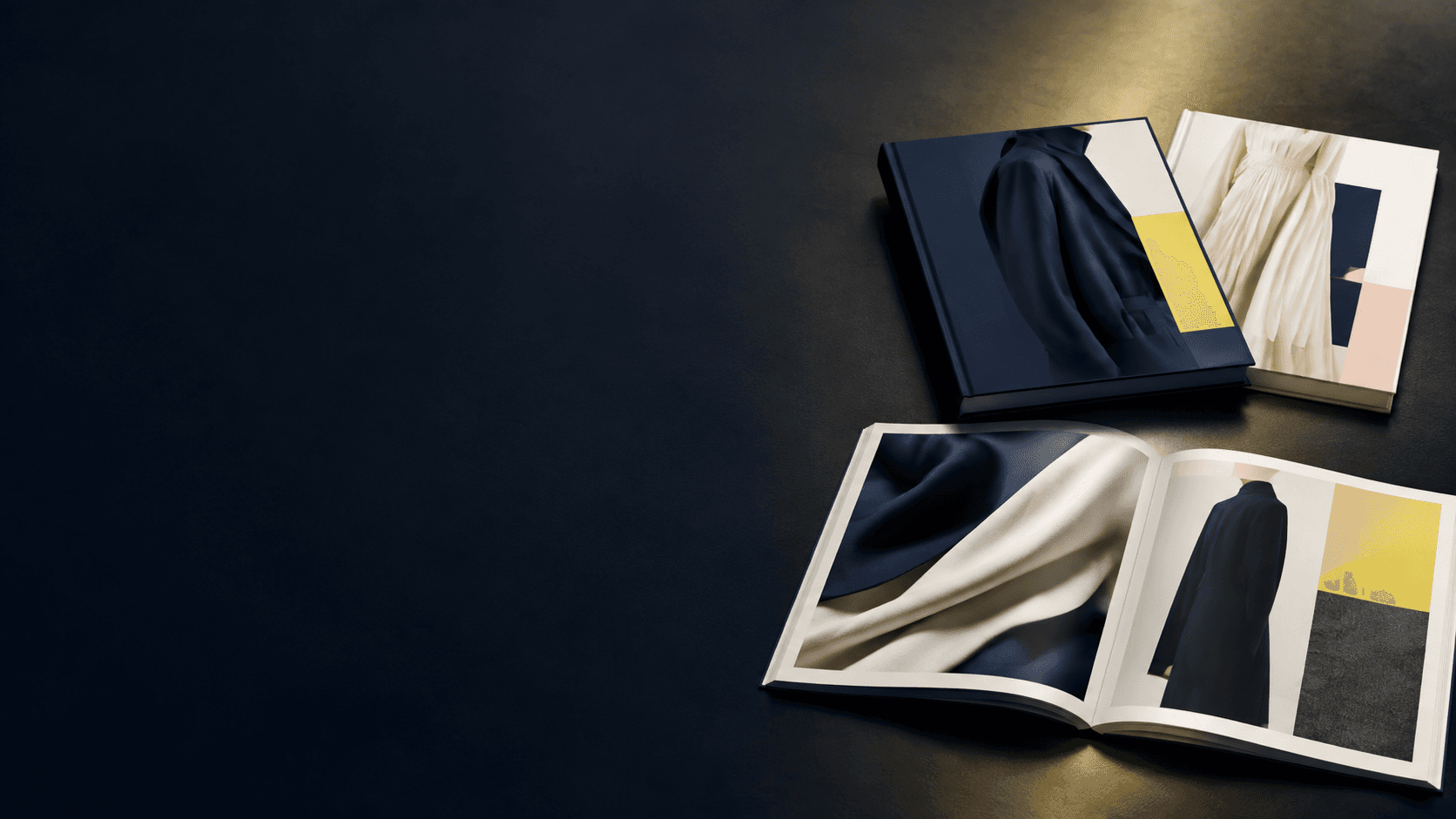
Visual collection stories with clear product references
Custom Lookbook Printing
Present a collection through a controlled sequence of images, styling details and concise product references. Choose the format around the campaign setting and how the lookbook will be distributed.
- Image sequence and collection identity
- Full-page images plus detail views
- Coated or tactile uncoated presentation
The product in use
Make the collection easy to see and navigate.
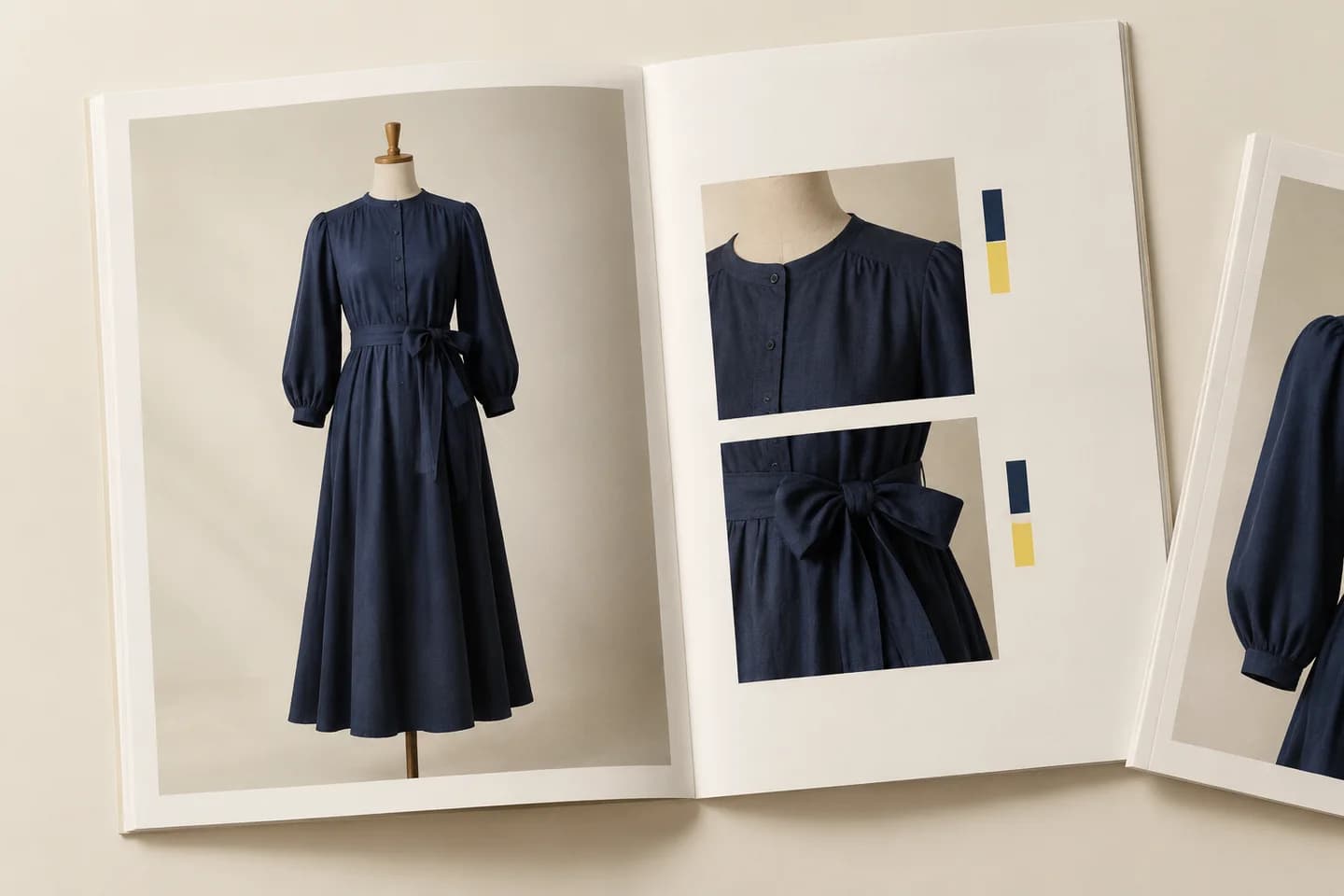
A lookbook prioritizes visual sequence over an exhaustive specification table. Full-page styling images, detail crops and short product identifiers help buyers understand a collection. Uncoated stock offers a quieter surface and paper texture; coated stock emphasizes fine image detail. A short stitched edition travels differently from a bound brand volume. Collection names, garment colors and image IDs should remain coordinated through each seasonal revision.
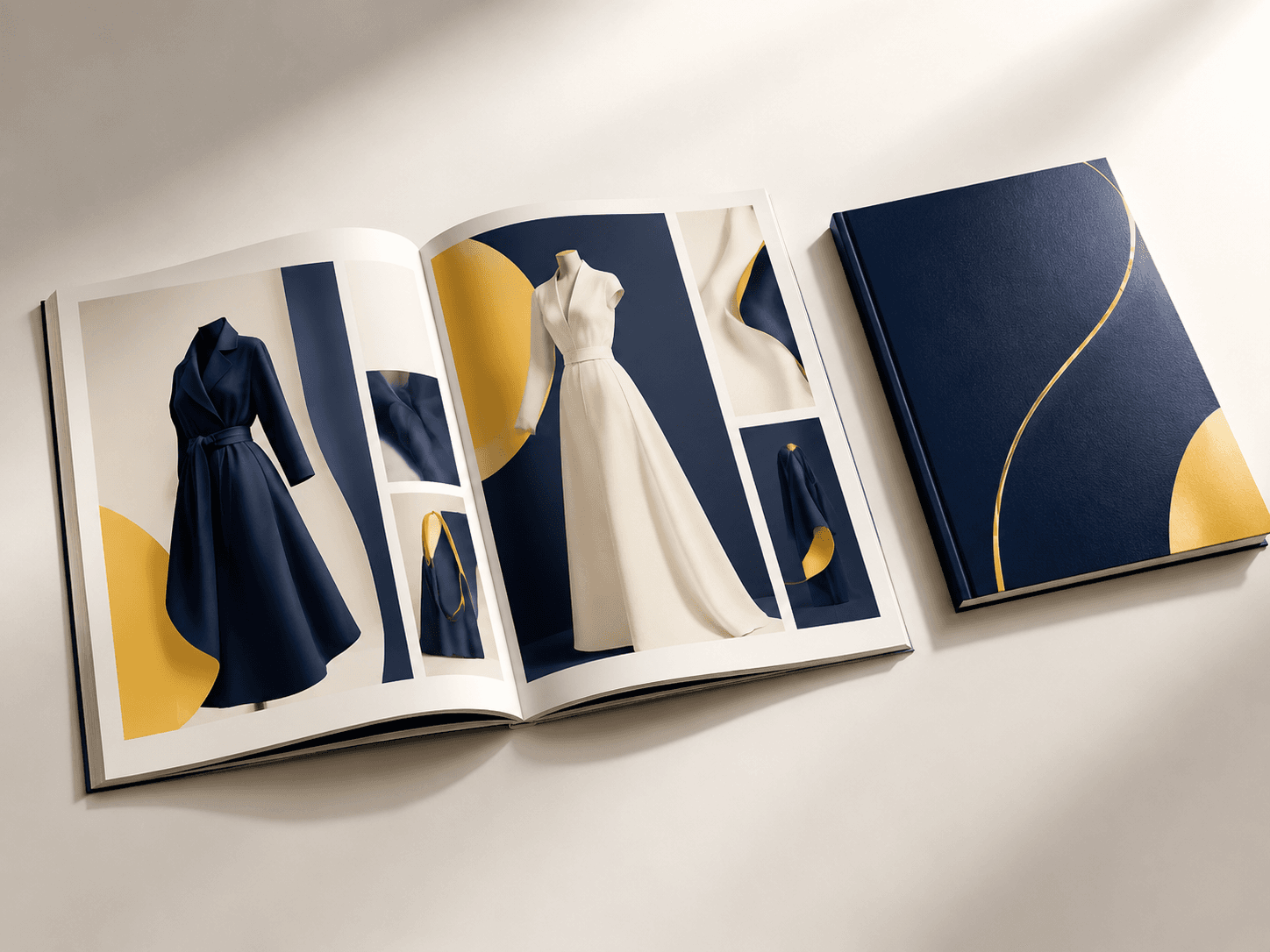
Image hierarchy supports the collection story.
- 01Hero image
- A large scene establishes the collection’s mood. Its crop and placement should survive the finished page and binding gutter.
- 02Detail and reference field
- Close views, look IDs and short references connect storytelling to a usable sales record without overcrowding the image.
- 03Collection edition
- Season, language and revision identify the publication. Product references must stay tied to the approved collection.
Specifications & materials
Compare the options and what they change.
Numeric dimensions and paper weights are selection references, not guaranteed Lemon production limits or a stocked-material list. The quoted specification identifies the available grade and construction.
| Engineering spec | Reference or option | Selection effect |
|---|---|---|
| Finished dimensions | 8 × 10 in (203.2 × 254 mm); 10 × 8 in (254 × 203.2 mm) | Interior trim references, not manufacturing limits. Portrait styling reference for complete outfits. Landscape reference for collections and wide brand scenes. |
| Format and component count | Complete book: interior, cover and separately identified components | Send trim, page count, campaign use, quantity by market, binding, paper feel, cover finish and destination. Include a pale-color and a texture-detail spread. |
| Interior | 115 or 130gsm coated; 120gsm uncoated references | Compare detail, paper texture and the appearance of pale colors. |
| Binding | Saddle stitch for a short edition; adhesive or casebound for a fuller volume | Choose from page count, opening and intended campaign use. |
| Cover | Printed card, wrapped case or selected special finish | Exterior finishing affects feel and cost factors, not garment color accuracy. |
| Collection data | Season, collection, look ID, image ID and short product reference | Keep campaign and product references linked; do not substitute long SKU tables for the planned image hierarchy. |
| Image layout | Full-bleed, framed image and detail-pair layouts | Check crop, shadow detail and gutter access at final proportions; the paper proof defines the chosen appearance. |
Detail-led collection
115/130gsm coated references for textures and styling details.
Proof the smallest fabric detail and the lightest color in the range.
Tactile brand edition
120gsm uncoated reference for a less reflective paper presence.
Color appearance changes with shade and surface; approve on this stock.
A coated surface can retain defined garment detail; a textured uncoated sheet changes reflection and tactile character. The choice should suit the campaign and be evaluated with its actual images.
A decision for this product
Keep the collection map with the image sequence.
Season → look ID → image → product reference
A lookbook can remain visually restrained while keeping concise identifiers usable. Separate image-led storytelling from exhaustive SKU tables.
Selection illustration · not a production template or test result
Selected direction
Portable stitched collection
Sales appointment · Portable stitched collection
Short sequence and easy distribution; limited room for exhaustive specifications.
Brand volume · Bound image-led edition
More pages and shelf identity; allow for gutter access.
Tactile campaign · Selected uncoated stock
Adds paper character with a different proof appearance.
See the trim proportions.
These are publishing references, not required sizes. Compare the usable page shape before adapting an existing layout.
Selected: 8 × 10 in. Proportions only; not actual size.
Trim dimensions describe the cut page. Artwork bleed, cover overhang, tabs and modules are separate allowances.
Surface finish options
Printed covers and jackets
Choose the finish for the printed cover or jacket, not automatically for the interior. Check color, rub marks, hinges and compatibility with the cover stock. Cloth and synthetic wraps need a separate material trial.
 Matte lamination View effect & artwork guidance
 Gloss lamination View effect & artwork guidance
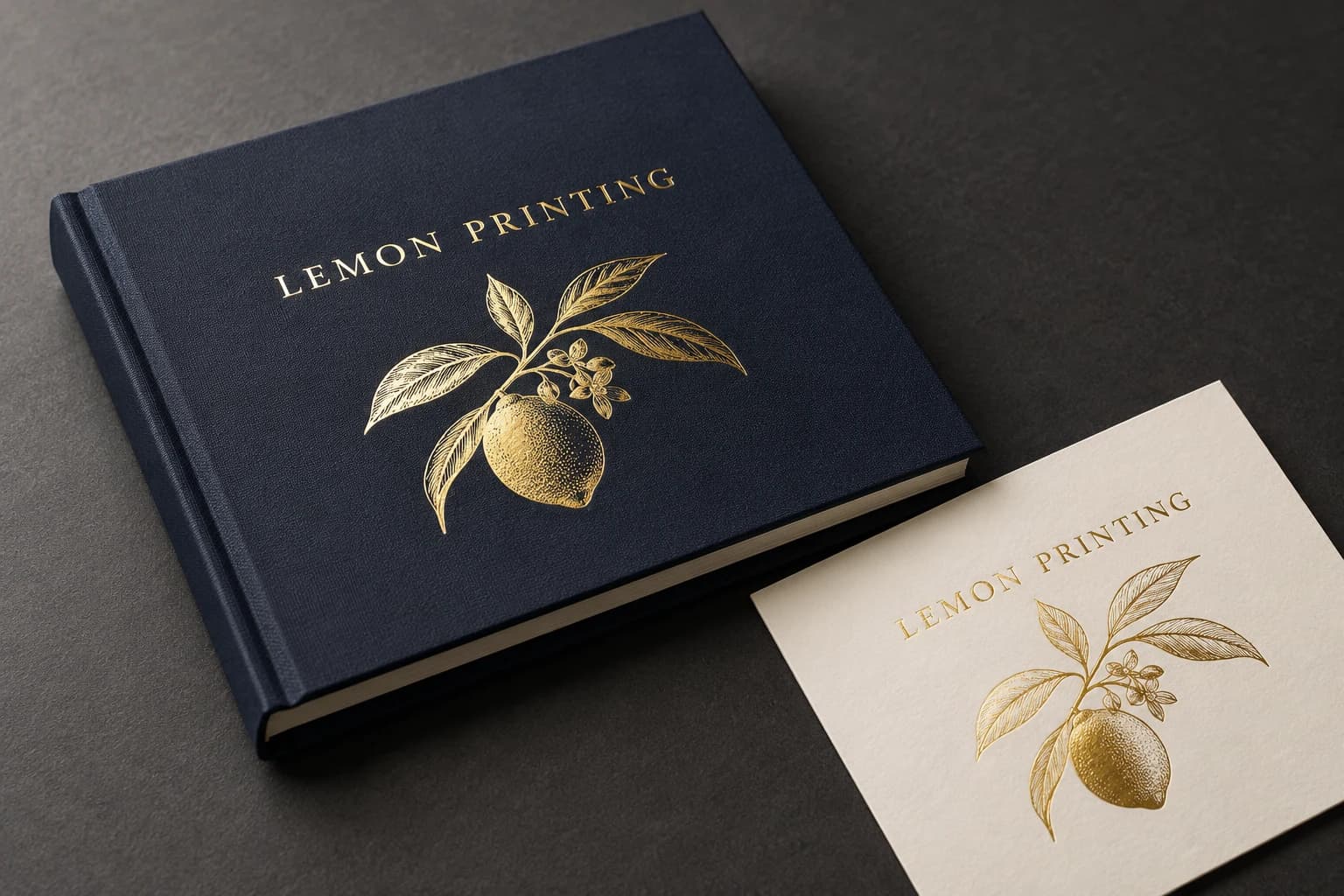 Gold foil stamping View effect & artwork guidance
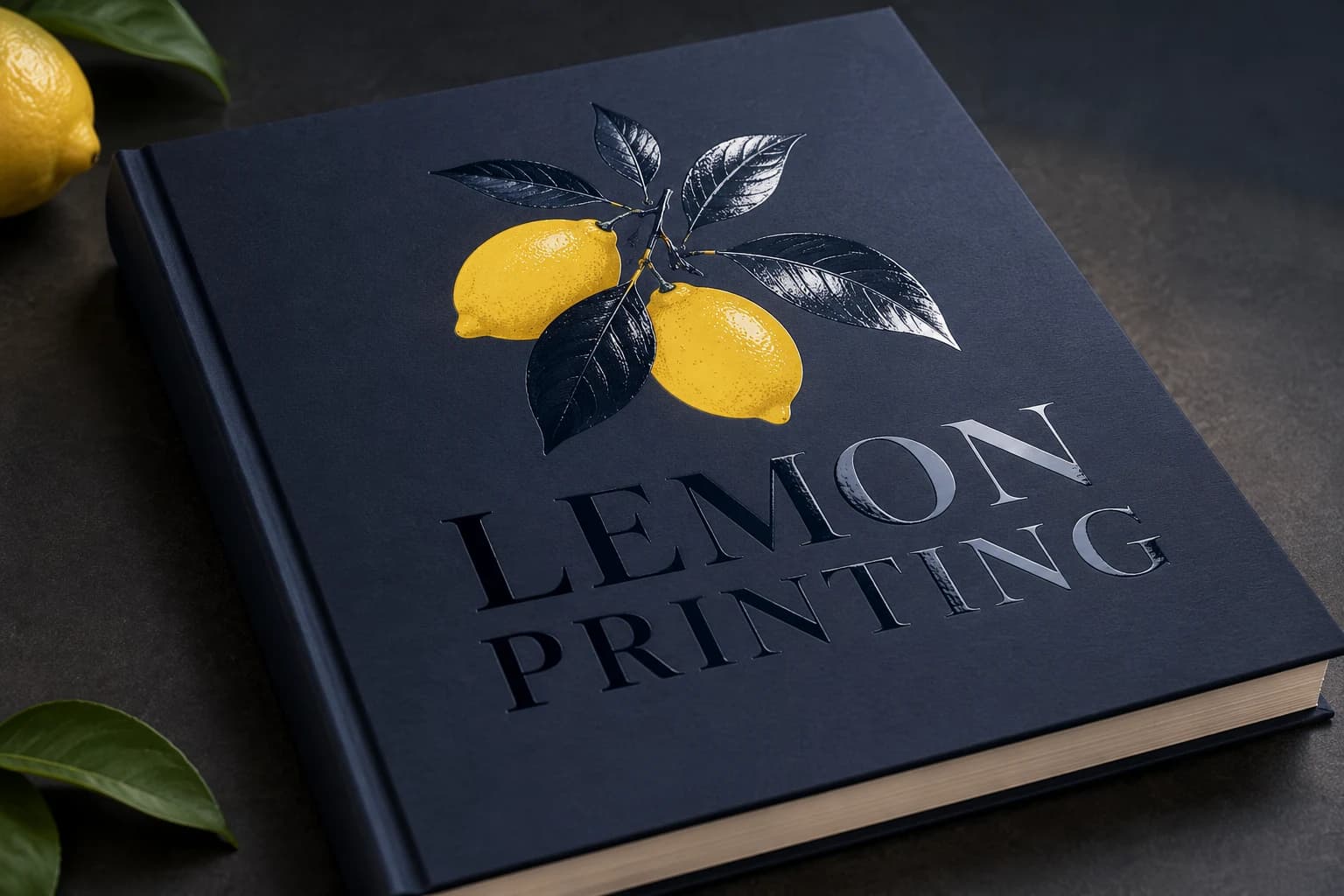 Spot UV View effect & artwork guidance
Illustrative finish samples, not photographs of this product. Final suitability follows the confirmed stock, construction and approved sample.
Compare all surface finishesHow it is made
Construction decisions with a practical effect.

Image sequence and references
A controlled look ID connects the photograph, product name and collection. Preserve consistent crop and tonal treatment across the sequence; a cover proof does not establish the appearance of pale garments.
Cover texture and binding
The selected binding controls image access near the center. Foil, varnish or film must suit the cover material; a tactile cover finish should not overwhelm the image-led interior.
Details that change the finished book
Choose visual space without losing product traceability.
A lookbook gives an image-led sequence more space than an exhaustive specification catalog. Keep the reference system concise, stable and usable by the buyer.
Set a repeatable image hierarchy
Combine a large look image with smaller details where they add information. Approve crops at the final page proportions rather than fitting every image into the same box.
Keep look IDs with their images
Control season, collection, look ID and any short product reference. Update the map when garments or campaign images change.
Proof the selected paper treatment
Coated and uncoated interiors create different color and texture effects. Use representative garments, shadows and highlights on the intended surface.
Match the specification to the project
Lookbook configurations in use.
Sales appointment
Slim stitched edition · concise collection map
Easy distribution favors a short sequence, while readable IDs connect the imagery to the sales discussion.
Brand volume
Bound image-led block · deliberate spread pacing
More images and a shelf spine give a different presentation. Keep central details clear of the gutter.
Tactile campaign
Selected uncoated surface · representative color proof
Paper character becomes part of the presentation; accept its different image behavior based on an actual proof.
Solve the risk before production
What can go wrong, and how to check it.
Pale garments lose separation
Cause: The paper shade and reproduction obscure small tonal differences.
Fix and check: Proof representative light fabrics on the final stock and adjust the approved image treatment.
A collection caption refers to the wrong look
Cause: Images changed after the reference list was prepared.
Fix and check: Proof by look ID and freeze the image/caption map before release.
A garment detail disappears into the center
Cause: A full-spread image places essential seams or features across a conventional binding gutter.
Fix and check: Crop or reposition the detail onto one page; use a full-size bound proof to review the sales-relevant features.
When to choose another format
Lookbook or another format?
| Alternative | Structure | Use and trade-off |
|---|---|---|
| Catalog | SKU and specification reference | Better for exhaustive product attributes and ordering data. |
| Coffee table book | Longer image-led keepsake | Prioritizes storage and presentation over seasonal distribution. |
Samples & order planning
Test the physical question before the bulk run.
A sample for the actual product
Proof representative fabrics, skin tones and pale backgrounds on the chosen stock. A bound dummy tests visual sequence and gutter access.
Collection image proof
Check garment color appearance, shadow detail, crops and look/reference mapping.
Bound visual sequence
Review spread pacing, image hierarchy and the visibility of sales-relevant details near the center.
Order Details for Lookbook Printing
Quantity and quotation
Quote complete finished books per title or version. Send trim, page count, campaign use, quantity by market, binding, paper feel, cover finish and destination. Include a pale-color and a texture-detail spread.
Sample scope and schedule
Free samples are available, with preparation completed within 15 days. Confirm which materials, finishes and construction the sample represents. Courier arrangements and transit time are separate. The quotation records bulk production timing and the minimum quantity for your configuration.
Packing and delivery
Prevent scuffing on finished covers and separate seasonal or market versions with clear labels. Account for handout bundles when specifying pack counts.
- 01
Lock collection, season and look-ID references.
- 02
Provide final crops with 300ppi images at the intended placement size.
- 03
Keep product identifiers and focal details clear of the gutter.
- 04
Use separate named files for cover finishes and market editions.
Product questions
Details worth settling before ordering.
Can we use a catalog layout as a lookbook?
It can provide identifiers, but exhaustive tables can distract from the image sequence. Retain concise references and link the larger specification set separately.
Does uncoated paper reproduce exactly like coated stock?
No. Surface and shade influence appearance. Approve pale colors and fine textures on the actual selected stock.
How should seasonal versions be managed?
Use a collection revision and look IDs in the asset map. Check every caption/image pairing and quantity by market before release.
How is a lookbook different from a catalog?
A lookbook prioritizes visual sequence and styling context with concise references. A catalog prioritizes comparable records, specifications and item retrieval. Choose the format from the information the sales conversation needs, or link the two publications by stable product IDs.
Will uncoated paper reproduce the same garment colors as coated stock?
The surfaces and paper shades can produce different appearances. Approve representative garment images on the selected grade; a screen view or proof on another stock is not the same reference.
Your lookbook project
Send a brief that can become a specification.
Send trim, page count, campaign use, quantity by market, binding, paper feel, cover finish and destination. Include a pale-color and a texture-detail spread.
Related formats & guidance