Table of Contents
- Decide whether hardcover construction fits the project
- Compare durability, shelf presentation, opening behavior, and handling
- Choose between a casewrap cover, dust jacket, or both
- Build a hardcover specification table
- Specify board, covering material, endpapers, and text-block binding
- Plan foil, embossing, debossing, edge coloring, and other finishes
- Follow the custom hardcover ordering process
- Submit files, review a digital or physical proof, and approve production
- Use four-stage quality checks for hardcover books
- Match the specification to Lemon Printing's hardcover book printing capability
- Quote-ready hardcover book checklist
- FAQ: Custom hardcover book printing
Ordering hardcover books requires more than selecting a cover style. This practical guide explains how to specify board thickness, covering materials, endpapers, binding, finishing, proofing, quality checks, and quote requirements.
Decide whether hardcover construction fits the project
Custom hardcover book printing is usually the right choice when a book needs a rigid cover, long-term shelf presence, or a more substantial handling experience. It is less suitable when minimum weight, low unit cost, or very flexible opening is the main priority.
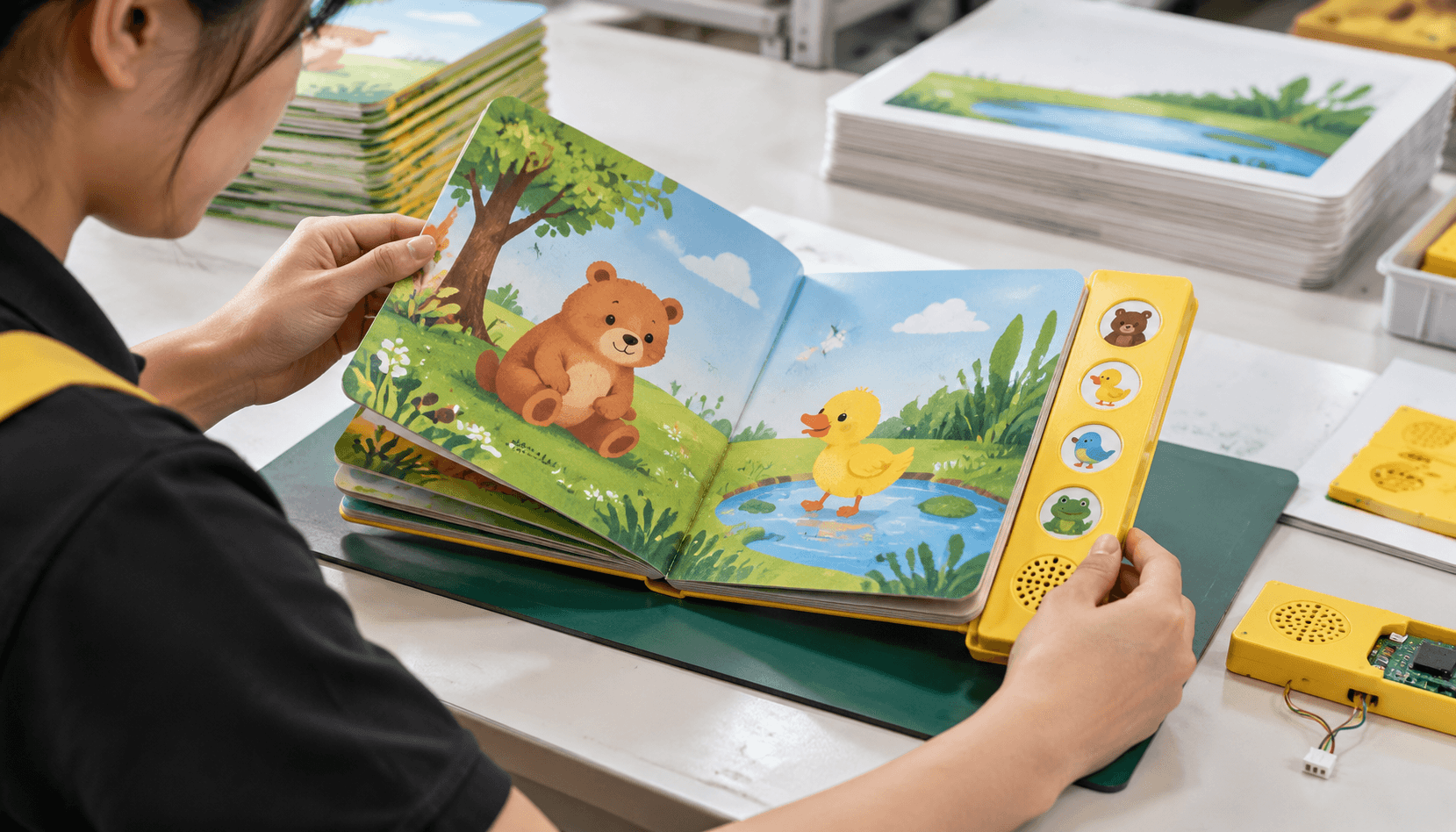
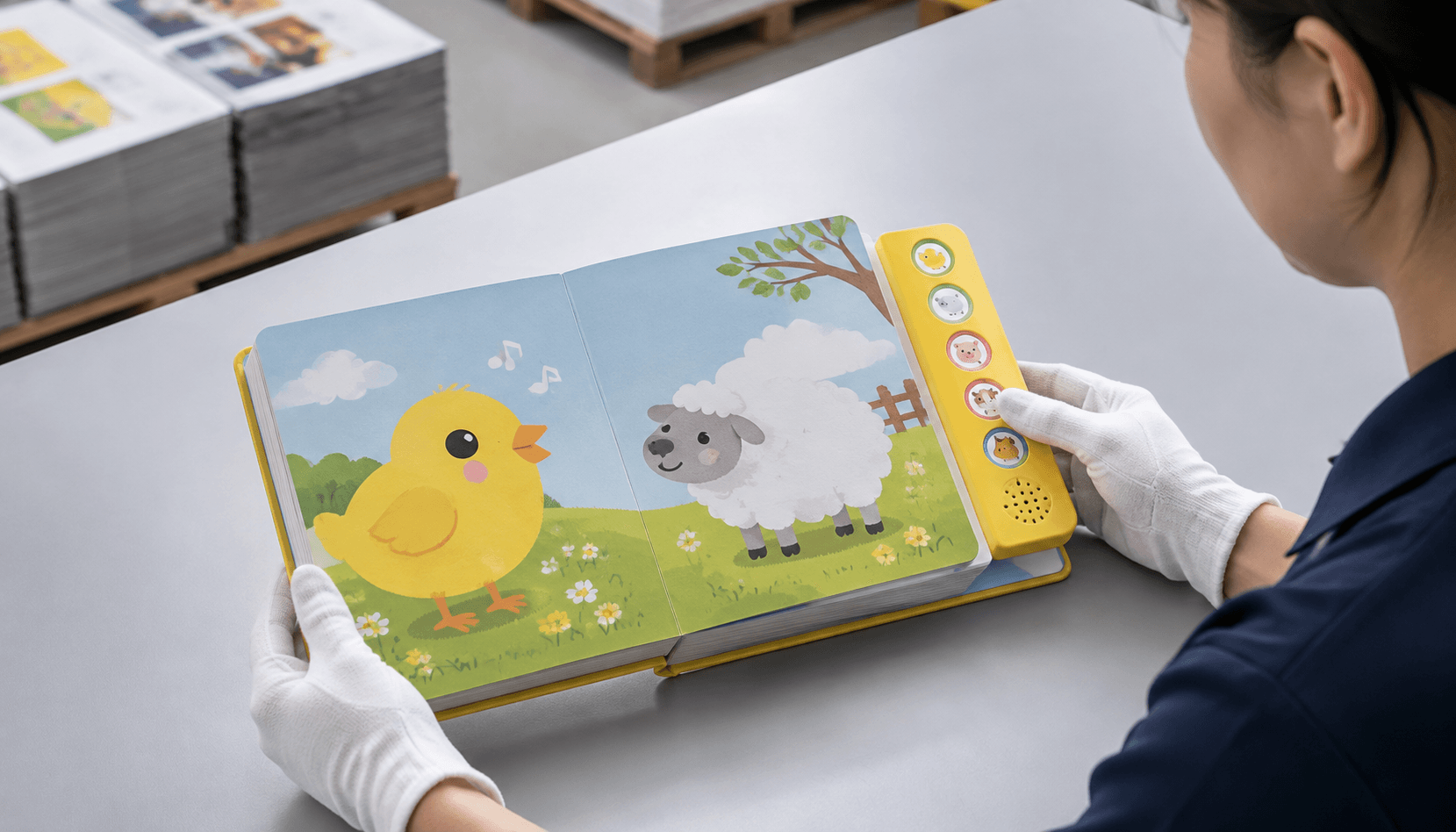
Before requesting a quote, define how the book will be used. A children’s picture book, art catalog, corporate history, premium journal, reference title, and educational manual can all use hardcover construction, but they may require different paper, board, binding, and finishing decisions.
- Use hardcover when the book will be handled frequently, stored for years, presented as a gift, or displayed on a shelf.
- Consider softcover when the publication is short-lived, mailed individually, or highly price- and weight-sensitive.
- Consider a hybrid specification when a rigid case is important but decorative finishing, heavy paper, or a dust jacket is not.
Hardcover production adds a separate case-making and assembly stage. That affects material planning, proofing, packing, and freight, so the cover decision should be made before artwork and pagination are finalized.
Compare durability, shelf presentation, opening behavior, and handling
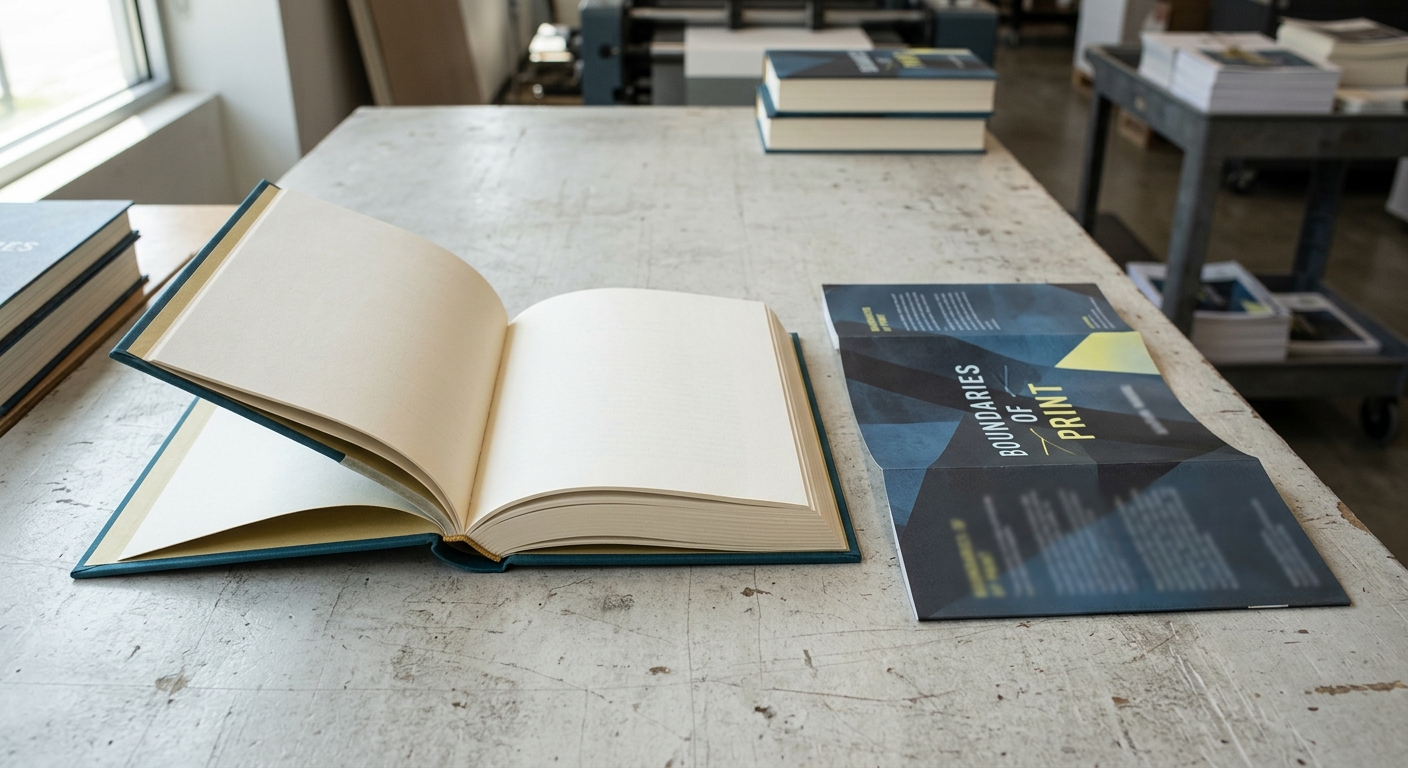
A hardcover normally provides better cover rigidity and shelf presentation than a softcover, but it also adds weight, thickness, and production complexity. The best construction depends on the expected handling pattern rather than appearance alone.
- Durability: board protects the text block from bending and edge wear. The actual service life also depends on paper, adhesive, sewing, covering material, and how the book is used.
- Shelf presentation: a rigid case gives the spine a stable profile. A printed casewrap can carry the main design, while a cloth-like covering with foil can create a quieter presentation.
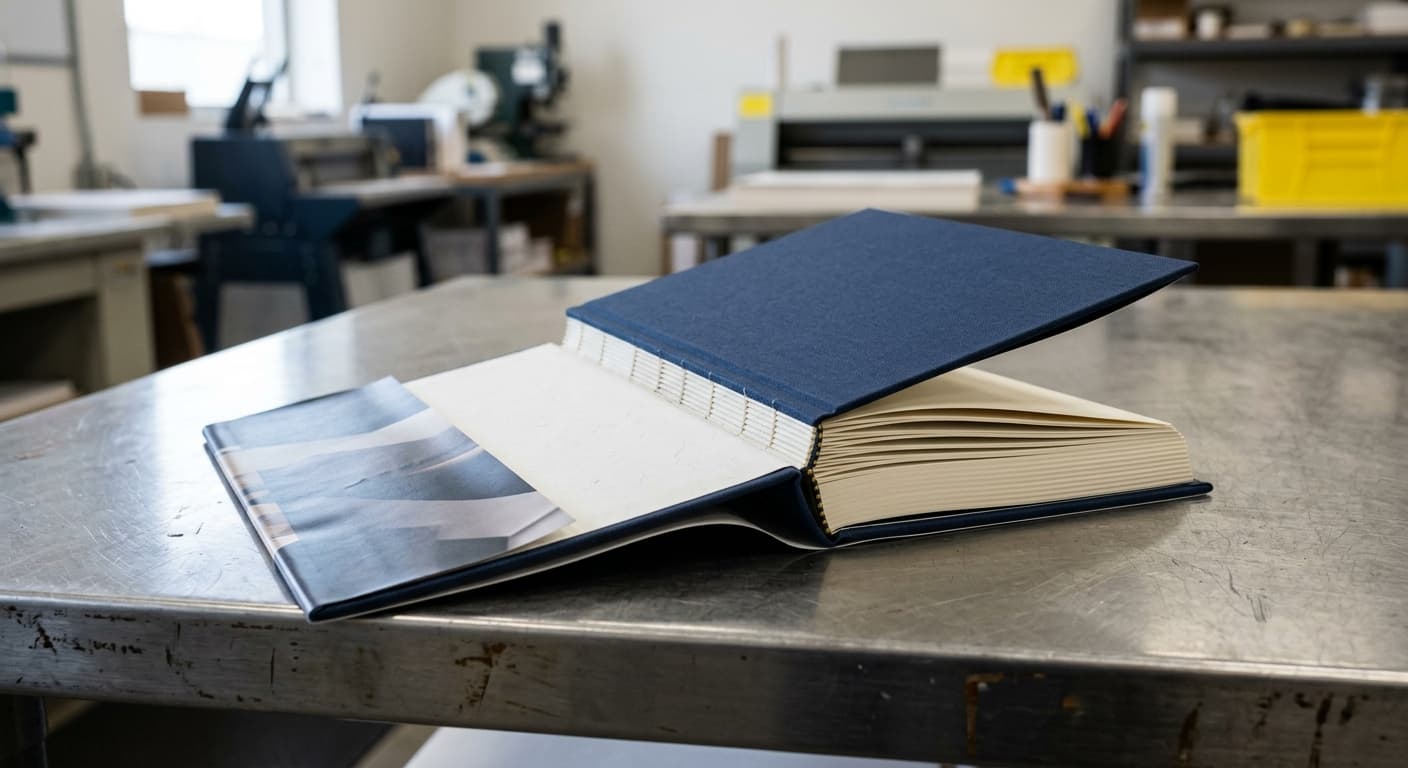
- Opening behavior: cover rigidity does not automatically mean lay-flat opening. A thread-sewn text block joins folded sections with thread and generally supports repeated opening better than a purely adhesive structure, although the final result depends on the complete construction.
- Handling and freight: boards and additional components increase finished weight and carton volume. For international orders, request packed dimensions and shipping assumptions as part of the quotation.
For example, a 280-page art book may justify a rigid case and sewn binding because it will be opened repeatedly. A short internal report may need the visual authority of hardcover but not a dust jacket, foil, or sewn text block.
Choose between a casewrap cover, dust jacket, or both
A casewrap is a rigid case covered with printed paper or another covering material, while a dust jacket is a separate printed sheet wrapped around the finished book. Choose casewrap alone for a durable, self-contained cover; choose a dust jacket for removable presentation graphics; choose both when the project needs protection and layered branding.
- Casewrap only: the cover artwork is attached to the boards. This is practical for books that will be handled heavily or stored without a removable jacket.
- Dust jacket only over a case: the jacket carries the visible marketing or editorial design, including flaps, while the underlying case can use a simpler material or design.
- Casewrap plus dust jacket: this offers two design surfaces and can protect the jacket during handling, but it adds material, assembly, and fit checks.
Dust jacket printing requires its own flat template with front, spine, back, and flaps. Do not reuse a casewrap file without modification: the fold positions, bleed, safe areas, and spine width can differ. Also specify whether the jacket should be coated or uncoated and whether the case underneath should be printed, foil stamped, or left plain.
Build a hardcover specification table
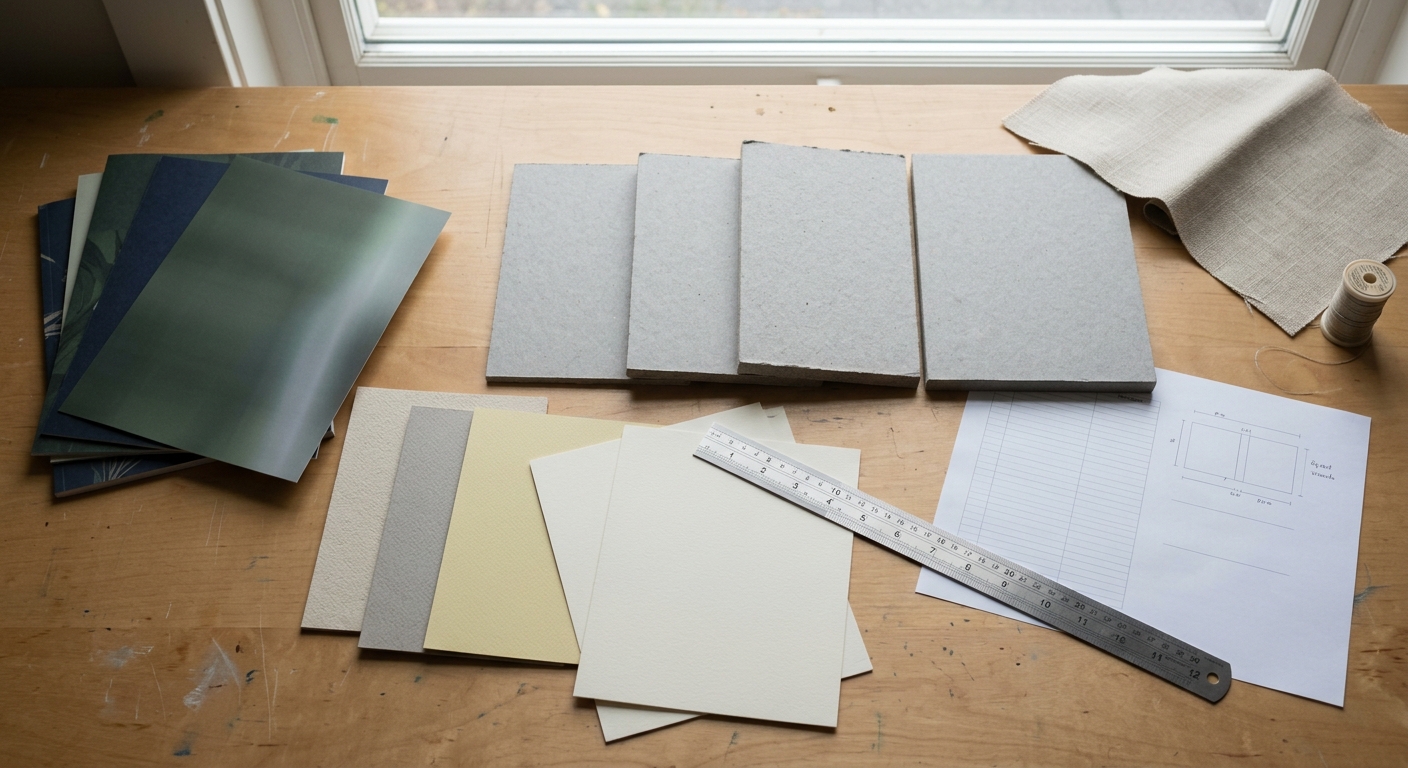
A useful hardcover specification table turns a general idea into a comparable manufacturing brief. Include the finished size, page count, paper, board, cover treatment, binding, finishing, quantity, destination, and target date before asking printers to quote.
| Specification | What to provide | Why it matters |
|---|---|---|
| Finished size | Trim width and height, in millimetres or inches | Determines page layout, case size, jacket dimensions, and material yield |
| Text block | Page count, color pages, paper type, gsm, and desired opacity | Affects spine width, weight, show-through, print method, and binding setup |
| Board | Thickness in millimetres and any edge or corner requirements | Controls rigidity, case dimensions, and the visual proportion of the cover |
| Covering material | Printed paper, cloth-like material, or another approved option | Changes surface appearance, ink response, adhesion, and finishing compatibility |
| Endpapers | Printed or plain, color, paper weight, and design file status | Connects the text block to the case and affects the first and last spread |
| Binding | Thread-sewn, adhesive, or another requested construction | Influences opening behavior, durability, cost, and production steps |
| Finishing | Lamination, foil, embossing, debossing, edge color, or spot effects | Requires separate artwork, tooling, registration, and inspection checks |
| Jacket and packing | Dust jacket, shrink wrapping, cartons, labels, palletization, and destination | Changes component count, protection requirements, freight volume, and export preparation |
Use the same specification table when comparing suppliers. If a field is undecided, label it as an option rather than allowing each supplier to make a different assumption.
Specify board, covering material, endpapers, and text-block binding
Start the technical discussion with board, covering material, endpapers, and text-block binding because these choices interact. A change in paper caliper or board thickness can affect the spine, case dimensions, hinge movement, and jacket fit.
Book board thickness: board is the rigid sheet inside the front and back cover. A practical starting discussion for many book formats is approximately 1.5 to 3.0 mm, but this is not a universal standard. The printer should confirm the suitable board after reviewing finished size, page count, text-block weight, intended use, and available materials. Ask whether the quoted measurement refers to the board alone or the finished covered case.
Covering material: printed cover paper can carry full-color artwork and may be laminated. Cloth-like or textured materials create a different tactile result and may work better with foil or a simple one-color treatment. Surface texture, grain direction, adhesion, and printability should be confirmed before final artwork.
Endpaper printing: endpapers are the sheets that connect the text block to the case at the front and back. Specify plain or printed endpapers, color, paper weight, and whether the design is identical on both ends. Endpaper artwork should be supplied as a separate file if the printer requests it.
Sewn hardcover binding: thread sewing joins folded sections before the text block is attached to the case. Adhesive binding joins pages or sections with glue. Sewing can be appropriate for books that are opened often, while adhesive construction may suit many standard publications. Ask for the recommended construction for the page count and paper rather than choosing from the name alone.
For paper surface decisions, review Lemon Printing’s coated versus uncoated paper guide. The final paper choice should also consider image reproduction, writing needs, opacity, finished weight, and binding behavior.
Plan foil, embossing, debossing, edge coloring, and other finishes

Hardcover finishes should be planned as production components, not added after the cover file is complete. Foil, embossing, debossing, and edge coloring each need suitable artwork, material checks, and a clear position reference.
- Foil stamping: a heated die transfers metallic or pigmented foil to the cover. Foil stamping hardcover books can create a strong title or logo treatment, but very small type, fine lines, and heavily textured materials may reduce clarity. Ask whether the foil requires a separate vector layer and tooling.
- Embossing and debossing: embossing raises an image and debossing presses it into the surface. Board thickness, covering material, artwork scale, and nearby folds affect the result. A subtle screen effect may not translate like a solid stamped shape.
- Edge coloring: ink is applied to the trimmed edges of the text block. It should be specified with the page alignment, trim condition, and desired coverage in mind. It is not the same as printing the page margins.
- Lamination and spot effects: a film can protect a printed case or jacket, while a spot coating can add a localized gloss contrast. Confirm compatibility with any later stamping or forming operation.
For every special finish, provide a marked-up reference showing the exact location and ask how the supplier will inspect position, coverage, color, and surface adhesion. If the finish is central to the design, a physical sample is more informative than a screen proof.
Follow the custom hardcover ordering process

The safest ordering process moves from a complete brief to an approved proof before any bulk production begins. Each stage should resolve a different risk: specification gaps, artwork errors, material appearance, assembly fit, or shipment planning.
- Prepare the brief: state the quantity, finished size, page count, text paper, board, covering, binding, endpapers, finishes, dust jacket, packing, destination, and target date.
- Request a technical quotation: ask the printer to list assumptions, included components, proof type, packaging basis, and any options that could change the specification.
- Review the construction template: confirm the cover spread, spine, hinge areas, wrap margins, jacket flaps, endpaper files, and finishing layers.
- Submit print-ready files: send interior, casewrap, dust jacket, endpaper, and special-finish artwork in the formats requested by the printer.
- Approve the proof: check content, sequence, color intent, material, finish position, and physical fit. Record corrections in writing.
- Release production: approve the final version, confirm quantity and packing marks, and keep the approved proof or reference for inspection.
For broader planning across binding, paper, proofing, packing, and freight, Lemon Printing’s bulk book printing guide can help organize the purchasing brief.
Final MOQ, production time, pricing, and shipping depend on the product specifications, quantity, finishing, packing, and delivery destination.
Submit files, review a digital or physical proof, and approve production
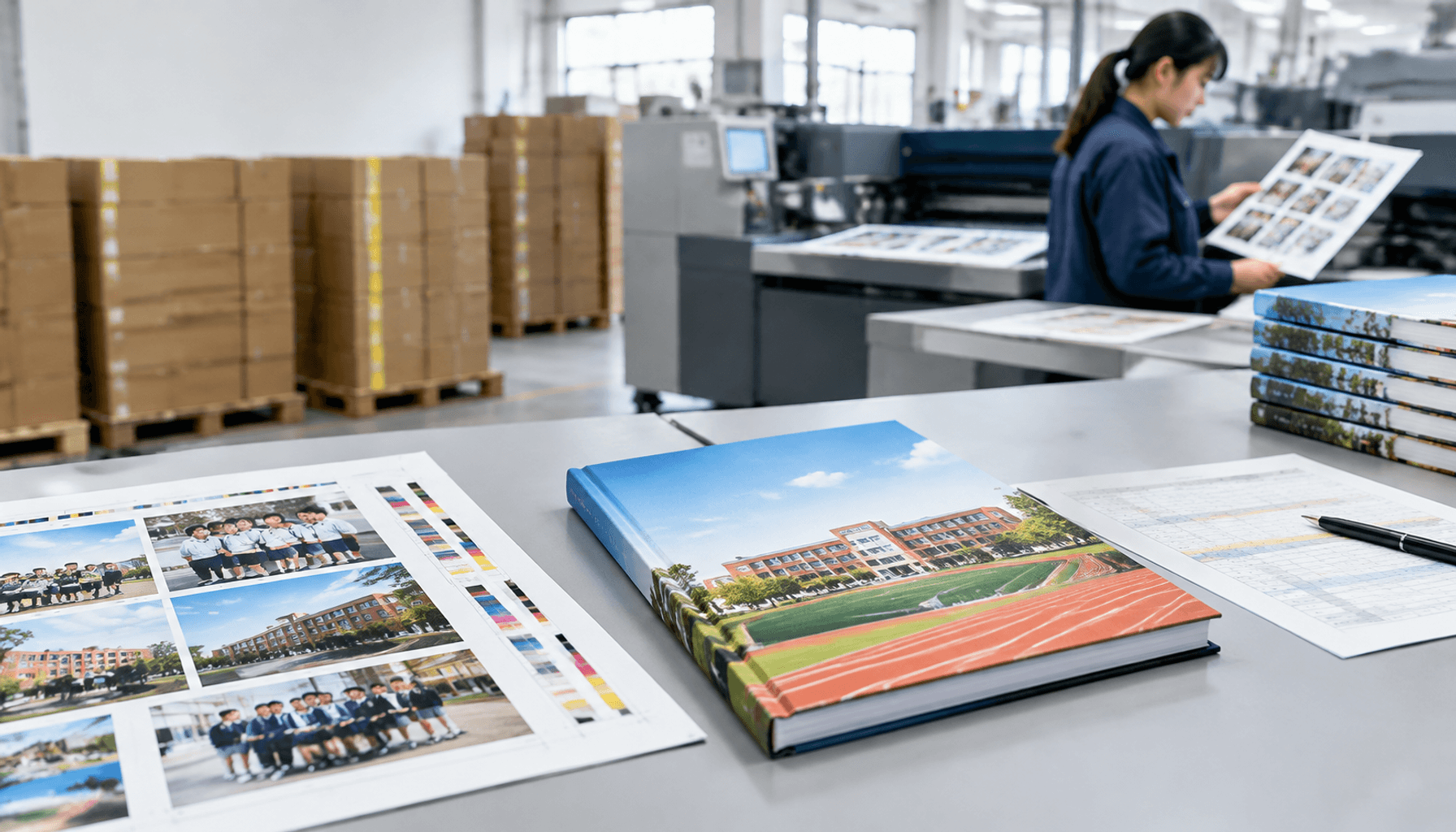
Send the printer the files for each component and build the cover only from the printer’s confirmed template. A digital proof is useful for layout and content; a physical proof is more useful for checking the interaction of paper, covering material, board, color, foil, and construction.
Your preflight checklist should include:
- Correct trim size, page count, orientation, and reading order.
- Bleed beyond trimmed edges and safe margins for text, logos, and important details.
- Embedded fonts, suitable image resolution, and the requested color mode or PDF standard.
- A separate cover or case file with the confirmed spine width, hinge areas, wrap allowance, and fold marks where required.
- Separate layers or files for foil, embossing, debossing, edge color, and spot effects.
- Correct barcode, ISBN, legal, language, and accessibility content if applicable.
Do not approve a screen proof as evidence of the final material feel. Monitor brightness, paper whiteness, lamination, foil reflection, and textured coverings can change perception. Lemon Printing’s commercial printing artwork checklist provides additional guidance on bleed, safe areas, fonts, color, and preflight.
When returning approval, identify the exact file version and state whether approval covers content only or also color, material, and finishing. That record reduces ambiguity if several revisions are exchanged.
Use four-stage quality checks for hardcover books
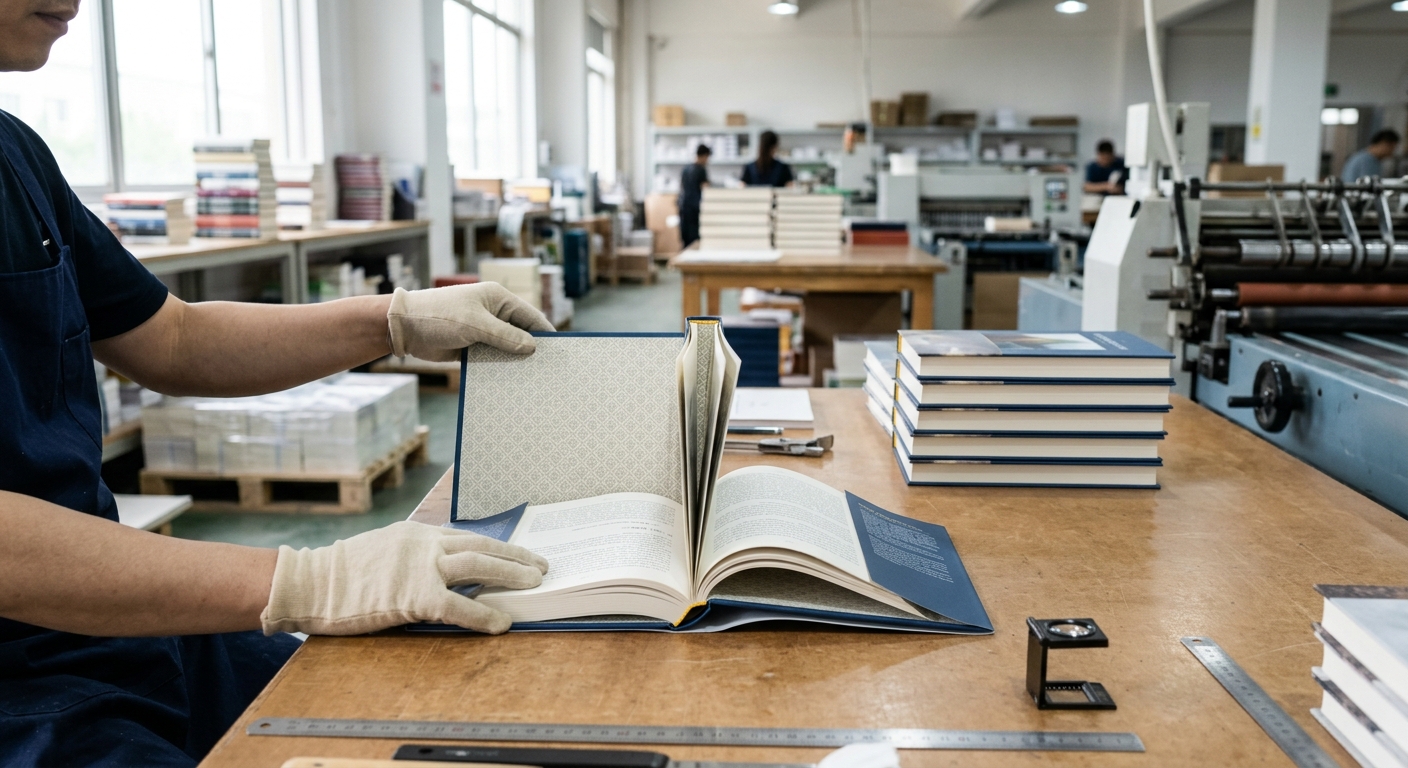
Hardcover quality should be checked at four points: incoming materials, prepress and proofing, assembly, and final packing. Checking only the finished carton can make it difficult to identify whether a defect came from paper, printing, binding, case-making, or handling.
- Incoming materials: verify paper type, board thickness, covering material, endpaper stock, and any supplied foil or finishing material against the approved specification. Check for visible damage, warping, or an incorrect material substitute.
- Prepress and proofing: confirm trim, page sequence, spine text, cover orientation, jacket flaps, bleed, color intent, and the position of foil or embossing. A written approval should identify the reference version.
- Printing and assembly: inspect color consistency, registration, page order, text-block squareness, endpaper adhesion, case alignment, hinge movement, spine formation, and opening behavior. For sewn construction, check that sections are correctly gathered and attached.
- Final inspection and packing: inspect representative finished books for scuffs, corner damage, loose components, jacket fit, finishing defects, and incorrect quantity. Confirm carton labels, packing configuration, and destination details before export preparation.
Agree the inspection method before production, including sample quantity, critical defects, acceptable variation, and what happens when a sample does not meet the approved specification. Lemon Printing describes its quality inspection capability as part of its in-house production workflow.
Match the specification to Lemon Printing's hardcover book printing capability
Lemon Printing is a factory-backed commercial printing manufacturer established in 2015 in China’s Guangzhou–Shenzhen manufacturing corridor. The company operates a self-owned facility with more than 130 skilled workers and 8+ offset and digital presses.
For hardcover projects, this in-house structure can simplify coordination across prepress, printing, binding, finishing, quality inspection, packing, and export preparation. Lemon Printing works with publishers, brands, educators, event organizers, NGOs, retailers, and other organizations in more than 30 countries.
Capability should still be matched to the exact specification. When requesting custom hardcover book printing, ask Lemon Printing to confirm the available combination of case construction, board thickness, covering material, endpaper printing, thread-sewn or adhesive binding, dust jacket printing, and special finishes for your size and quantity.
Useful supplier questions include:
- Can you provide a production template for the case, jacket, endpapers, and finishing layers?
- Which board thicknesses and covering materials are available for the proposed format?
- Would you recommend sewn or adhesive binding for the page count and paper?
- Can the proof show the actual covering material and special finish?
- How will inspection and packing be handled for international shipment?
Quote-ready hardcover book checklist
A quote-ready brief lets a printer price the same construction you intend to approve. Send the following information in one document or structured email:
- Product type and intended use.
- Quantity, including separate quantities for different versions if applicable.
- Finished trim size and orientation.
- Total text-block page count, color-page requirements, and paper type or gsm.
- Cover construction: casewrap, covered case, dust jacket, or both.
- Book board thickness or a request for a recommended thickness.
- Covering material, surface, color, and lamination requirements.
- Endpaper printing, paper, color, and artwork status.
- Text-block binding, including whether sewn hardcover binding is required.
- Foil stamping, embossing, debossing, edge coloring, spot effects, or other finishing.
- Proof preference: digital, physical, or both.
- Individual wrapping, carton configuration, labels, pallet requirements, and delivery destination.
- Target date and any receiving restrictions.
Identify which items are fixed and which are open to recommendation. When comparing proposals, check that paper, board, finishing, proofing, packing, freight terms, and quantities are described on the same basis. Lemon Printing’s printing cost breakdown explains why setup, materials, finishing, proofing, packing, freight, and specifications can change a quotation.
Final MOQ, production time, pricing, and shipping are project-specific. They depend on the finished product, quantity, paper, binding, finishing, packing, and destination.
FAQ: Custom hardcover book printing
The most useful hardcover printing questions concern construction, materials, proofing, and the information required for a comparable quote. The answers below provide a starting point, but the final recommendation should be based on the complete book specification.
FAQ
What is the difference between hardcover and casebound book printing?
Hardcover describes the rigid cover format. Casebound book printing describes the construction in which a separate rigid case is covered and then attached to the text block. In commercial use, the terms are often used for the same general product, but the exact case covering, binding, and finishing should be confirmed.
What book board thickness should I choose?
There is no single correct thickness for every book. Approximately 1.5 to 3.0 mm can be a starting discussion for many formats, but the printer should recommend the board after reviewing finished size, page count, text-block weight, intended use, and available materials.
Is sewn hardcover binding better than adhesive binding?
Thread-sewn binding can be a good choice for books that will be opened repeatedly because folded sections are joined with thread. Adhesive binding may suit many standard publications and can involve a simpler construction. The correct choice depends on page count, paper, opening requirements, and the complete production specification.
Do I need a dust jacket for a hardcover book?
No. A casewrap or covered case can be used without a dust jacket. Add a jacket when you need a removable marketing surface, flaps, or a layered presentation. Using both a casewrap and jacket provides more design options but adds components and fit checks.
Should I request a physical proof for a hardcover book?
A digital proof is useful for checking layout, content, and file placement. A physical proof is more informative when board, covering texture, foil, embossing, color, jacket fit, or opening behavior is important. Ask the printer what the proof includes and whether it represents the final materials.
What information does a printer need to quote hardcover books?
Provide the product type, quantity, finished size, page count, paper, board, covering material, endpapers, binding, finishing, dust jacket requirements, proof preference, packing, delivery destination, and target date. Final MOQ, production time, pricing, and shipping depend on these specifications.
Send a complete hardcover book brief for quotation
Ask Lemon Printing to review your project specification before production planning. Include the product type, quantity, finished size, page count, paper, book board thickness or preferred construction, binding, endpapers, cover or dust jacket, special finishes, delivery destination, and target date.